


A just energy transition requires more than policies and technology. At the grassroots level, it also needs community members who understand their rights, can recognize the risks of development, and are able to support marginalized groups when they face legal or social challenges.
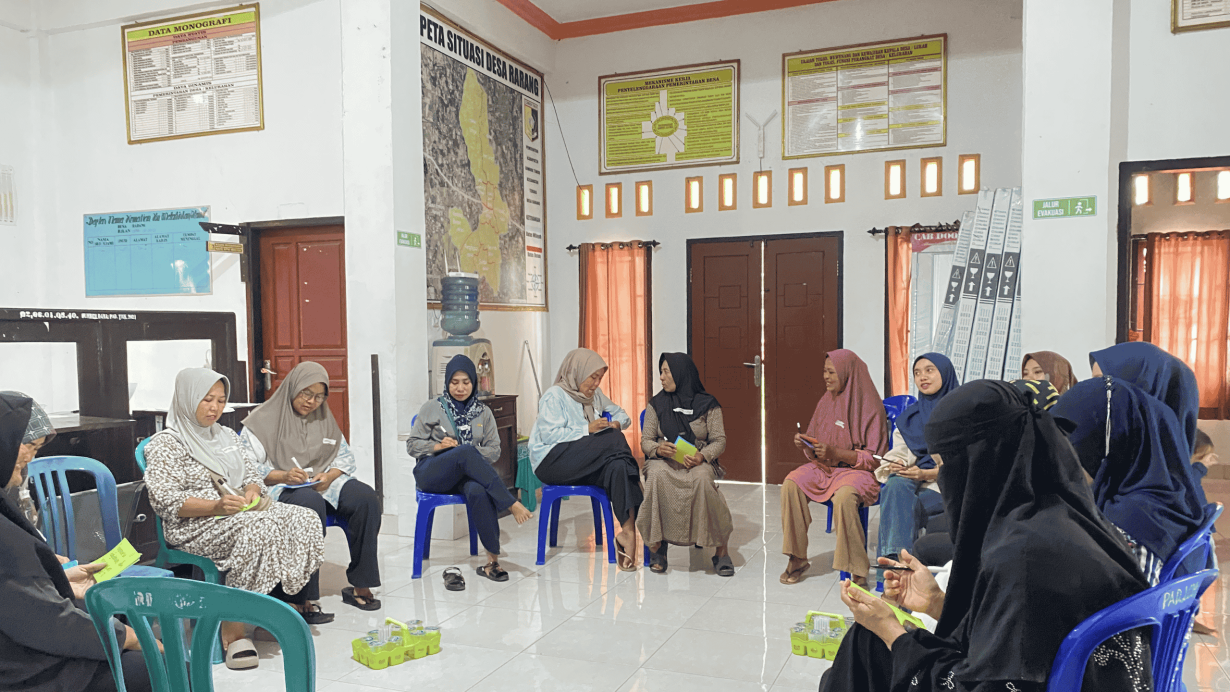
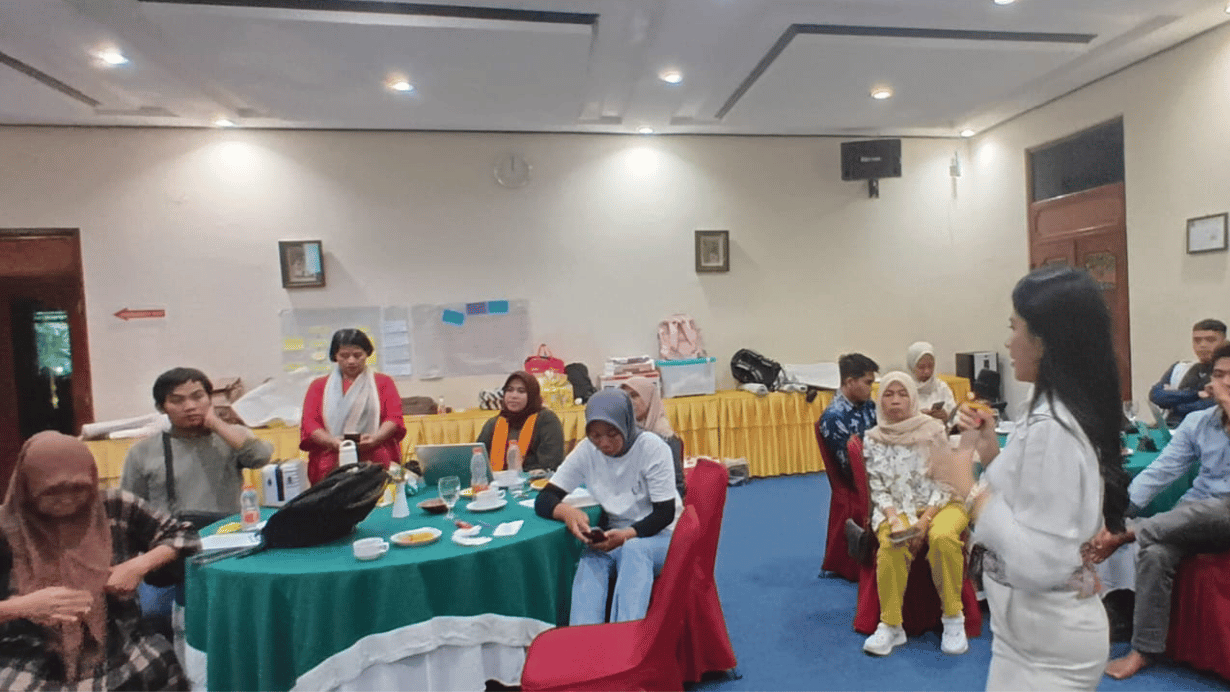
This spirit led the GEDSI JET NTB Forum to organize a Paralegal Workshop for community activists in West Nusa Tenggara. The forum, which focuses on Gender Equality, Disability, and Social Inclusion within the Just Energy Transition agenda, strengthened the capacity of its members and Sekolah Setara communities from six villages to help safeguard more inclusive development at the local level.
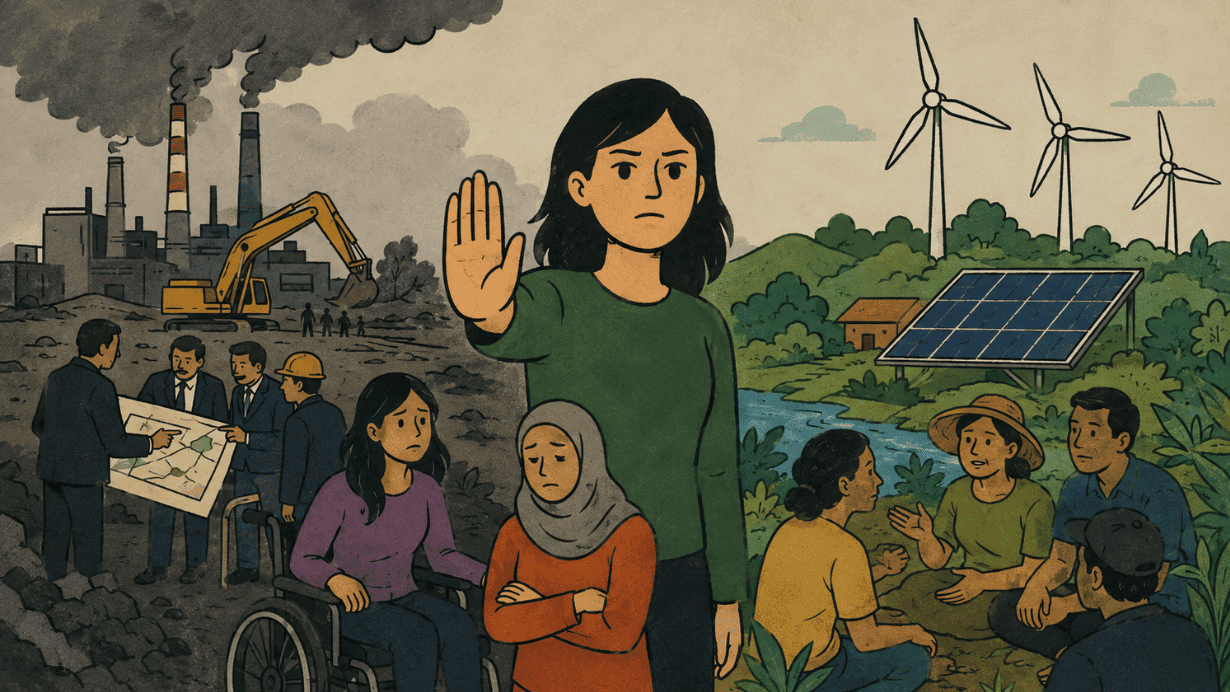
This effort is especially important as the Provincial Government of NTB works toward its ambitious target of achieving Net Zero Emission by 2050, ten years ahead of Indonesia’s national target. While this commitment reflects strong progress toward a cleaner energy future, it also brings risks that must be anticipated, particularly for women, persons with disabilities, children, and other marginalized groups.
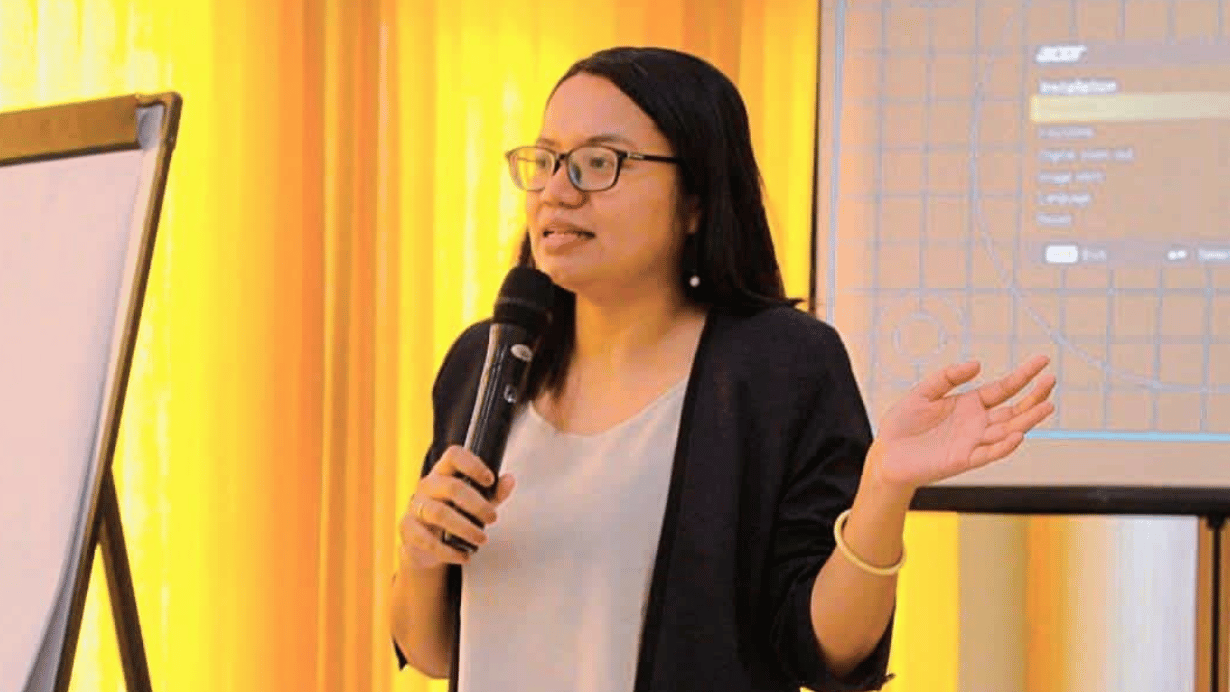
Baiq Dewi Anjani, Chair of GEDSI JET NTB, emphasized that energy transition policies that are not inclusive can place marginalized groups in an even more vulnerable position. In many cases, development can lead to the loss of livelihoods, women’s sources of income, and local knowledge practices that have long supported household food security.
For this reason, strengthening community paralegals has become an important strategy. Village paralegals are expected to help residents understand their basic rights, identify potential impacts of development, and know what steps to take when rights violations or violence occur in their communities.
The workshop also introduced a GEDSI perspective in supporting survivors of gender-based violence. Social and economic changes brought by development projects can create new risks, including increased vulnerability of women, children, and persons with disabilities to violence. Through this training, participants strengthened their understanding of community legal literacy, safe referral mechanisms, and ways to build complaint channels that are inclusive and survivor-centered.
The trained paralegals are not only expected to assist with cases. They are also expected to serve as a bridge between communities and professional legal aid providers. With basic legal knowledge, paralegals can help residents access information, identify initial response steps, and connect cases with the appropriate services.
The involvement of young people was also an important part of the workshop. Youth perspectives, especially from those working on climate change issues, are needed to enrich the way communities understand and shape a just energy transition. By involving different groups, the energy transition can become a shared movement, rather than merely a technical agenda or top-down policy.
Through this initiative, GEDSI JET NTB encourages the creation of more inclusive complaint mechanisms for marginalized groups within its working forum. Strengthening women and marginalized groups as legal agents is not only about resolving cases. It is also about shifting power relations so that justice can be felt by all layers of society.
Nur Janah from Yayasan Penabulu NTB explained that Yayasan Penabulu is involved in discussions and collaboration to promote programs related to renewable energy, women, and disability inclusion. The program seeks to address limited community access, particularly for women and persons with disabilities, to renewable energy issues.
“Everyone has a role to play in providing protection for highly vulnerable groups,” she said.
From this workshop, one key message is clear: a just energy transition is not only about providing clean energy. It must also ensure protection, participation, and access to justice for those who are most vulnerable to the impacts of change.
This article is adapted from “Kawal Transisi Energi Adil, GEDSI JET NTB Gembleng Paralegal Desa untuk Lindungi Kelompok Rentan!” published by LombokPost. Read the full article here: https://lombokpost.jawapos.com/ntb/2512260017/kawal-transisi-energi-adil-gedsi-jet-ntb-gembleng-paralegal-desa-untuk-lindungi-kelompok-rentan