

The energy transition is not only about electricity, technology, or infrastructure. At the household and village levels, energy is closely connected to women’s everyday lives. Energy is used for cooking, caring for families, managing domestic work, running small businesses, and supporting daily activities. Yet in many decision-making spaces, women’s voices are still not given equal space.
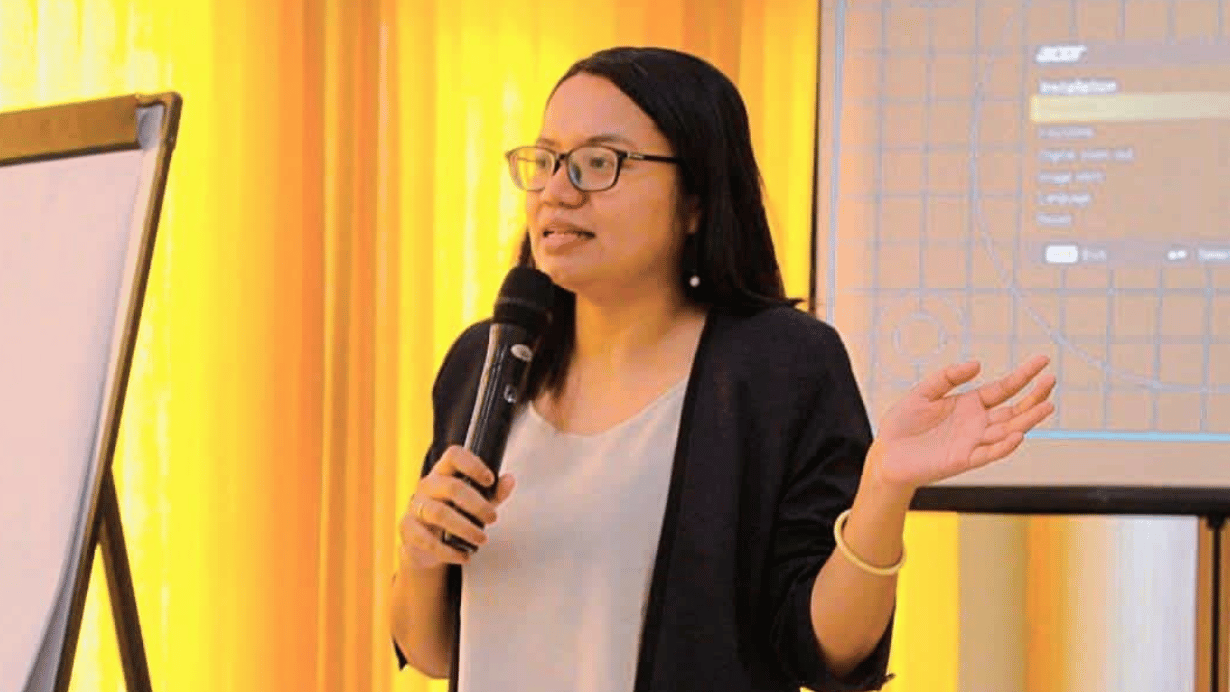
This has become a key concern for CIS Timor through the WE for JET Project. Lusia Caningsih Bunga, Project Manager of WE for JET at CIS Timor, believes that women’s participation in the energy sector needs to be continuously strengthened. According to her, energy policies must be responsive to marginalized groups so that the benefits of energy development can be felt fairly and equally.
Lusia explained that understanding of a just energy transition is still uneven. Even several government institutions have acknowledged that policy formulation in the Regional Energy General Plan has not fully integrated the perspectives of Gender Equality, Disability, and Social Inclusion, or GEDSI.
“Many institutions and individuals still do not understand the concept of a just energy transition. Even some government agencies have admitted that in formulating policies for the Regional Energy General Plan, gender equality, disability, and social inclusion have not yet been integrated,” Said Lusia Caningsih Bunga.
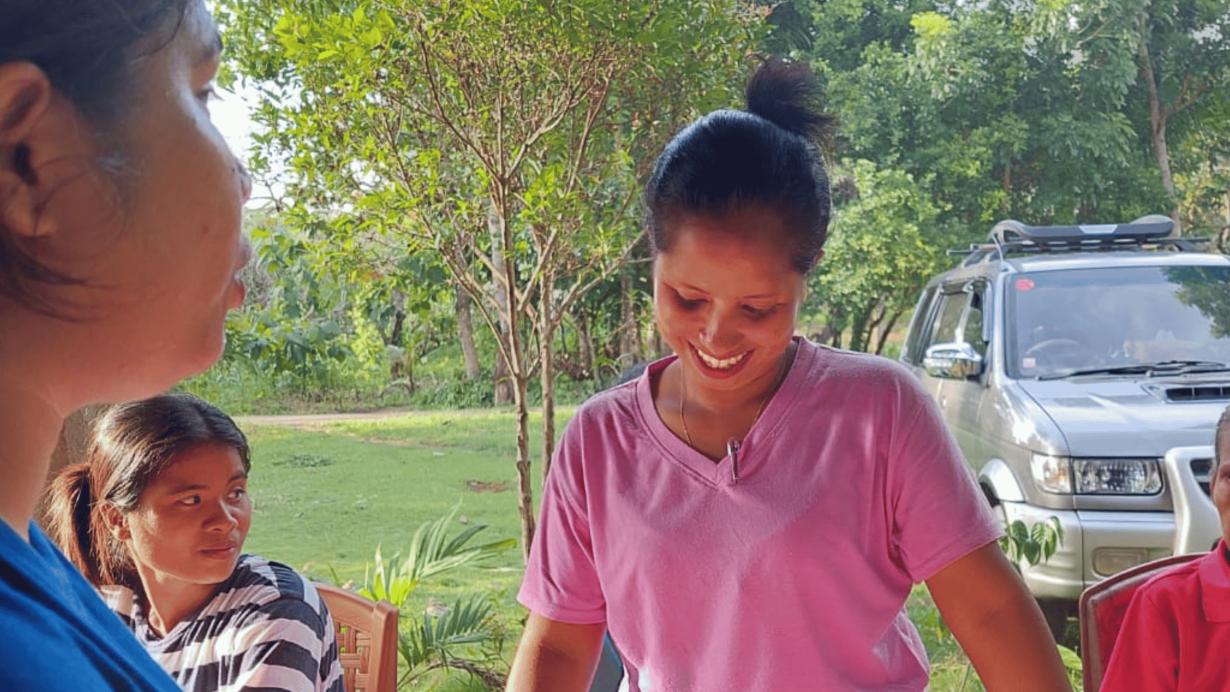
For CIS Timor, women cannot be positioned only as energy consumers. In many villages, women are the main managers of household energy needs. They directly understand how limited energy access affects time, health, household expenses, and opportunities to participate in public spaces.
However, strong gender stereotypes still make the energy sector appear as a male-dominated space. Energy is often seen as technical, masculine, and far removed from domestic work. In reality, the final impact of energy policies and services is heavily felt by women and marginalized groups.
“Talking about energy cannot be separated from domestic affairs, and it is very close to women’s lives. Unfortunately, energy is seen as very masculine. There is a kind of social stigma that energy is men’s business, even though its outcomes are ultimately used by women and marginalized groups,” Lusia said.
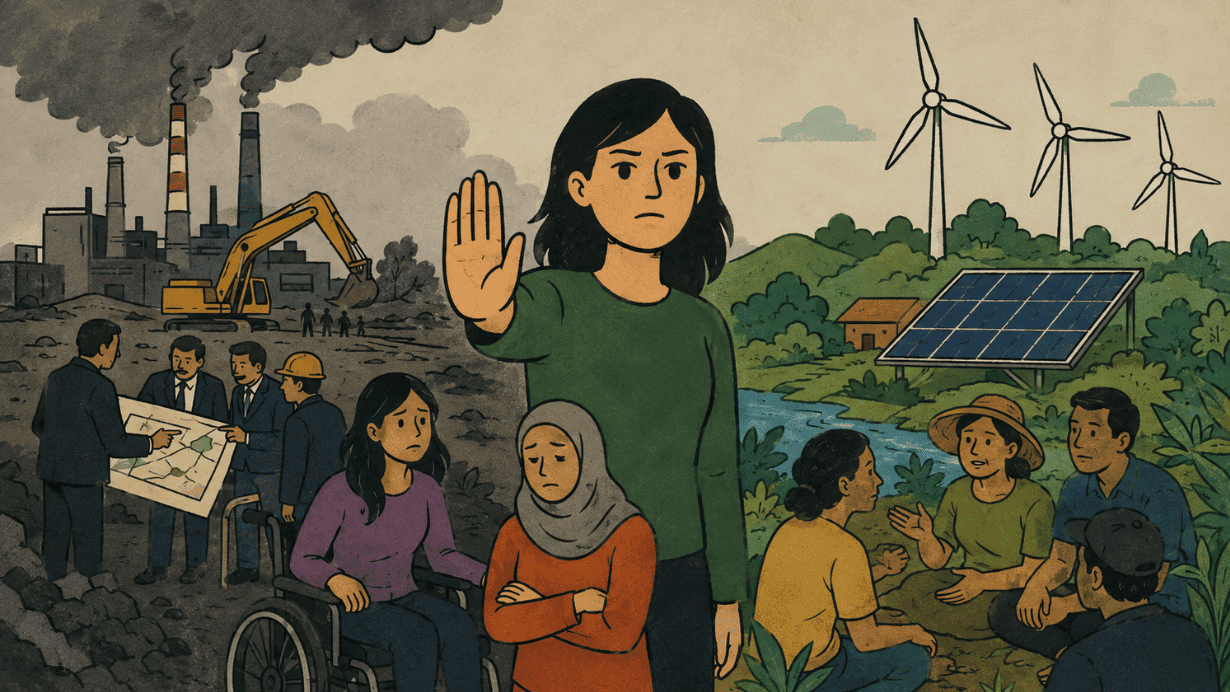
This condition shows that a just energy transition cannot focus only on providing clean energy. The process must also create space for women to take part in decision-making. When women are not involved, the real needs of households, marginalized groups, and village communities risk being overlooked in policy.
Lusia also highlighted that limited women’s participation in decision-making can increase women’s vulnerability. When women’s voices are absent from planning processes, the social impacts of energy development become harder to identify and anticipate. For this reason, women’s involvement is essential to ensure that the energy transition does not create new burdens, but instead opens space for protection, recognition, and empowerment.
Through its programs, CIS Timor continues to strengthen the capacity of women and marginalized groups in villages. One approach involves engaging men to support a fairer distribution of domestic work. With a more balanced domestic workload, women have more time and space to participate in village forums, including development planning meetings.
“We have a new men’s program to support domestic work, so that women’s time can be used to participate in musrenbang and express what they actually need. This is so that both men and women can have an open mindset toward climate change and prevent it from leading to violence,” Lusia said.
This approach emphasizes that a just energy transition must begin with changes in social relations. Men and women both need to understand that energy, climate change, and village development are not merely technical issues. They are closely related to family life, the distribution of roles, safety, access to resources, and the future of communities.
From East Nusa Tenggara, CIS Timor shows that strengthening women’s participation in the energy sector is not only an equality agenda. It is an essential condition for making the energy transition more targeted, safer, and more responsive to community needs.
When women are given space to speak, energy policies become more connected to everyday realities. When men share domestic work, women have greater opportunities to participate. And when marginalized groups are involved from the beginning, the energy transition can become a pathway toward development that is fairer for all.
This article is adapted from “CIS Timor Mendorong Partisipasi Perempuan di Sektor Energi,” published by RRI. Read the full article here: https://rri.co.id/kupang/regional/2127946/cis-timor-mendorong-partisipasi-perempuan-di-sektor-energi