


Energy transition is often discussed through big numbers. We hear about emission reduction targets, renewable energy shares, green investment, infrastructure development, and low-carbon technology. All of these are important. Yet one question must not be left behind: does the energy transition truly deliver justice for everyone?
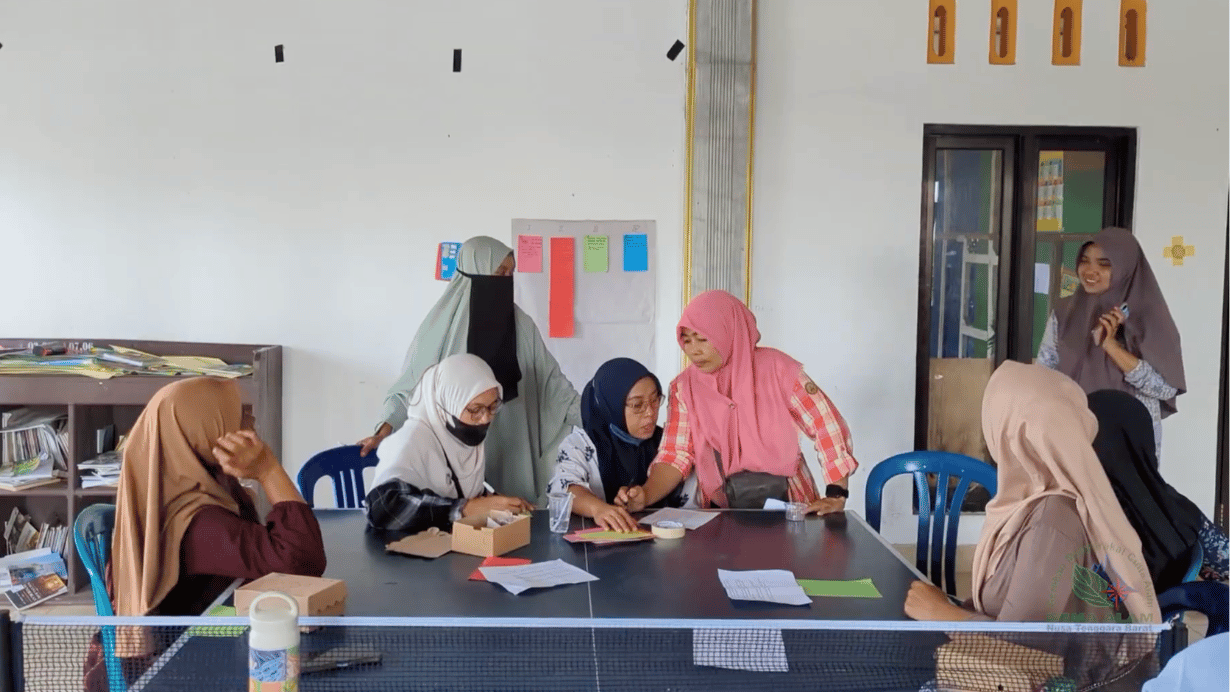
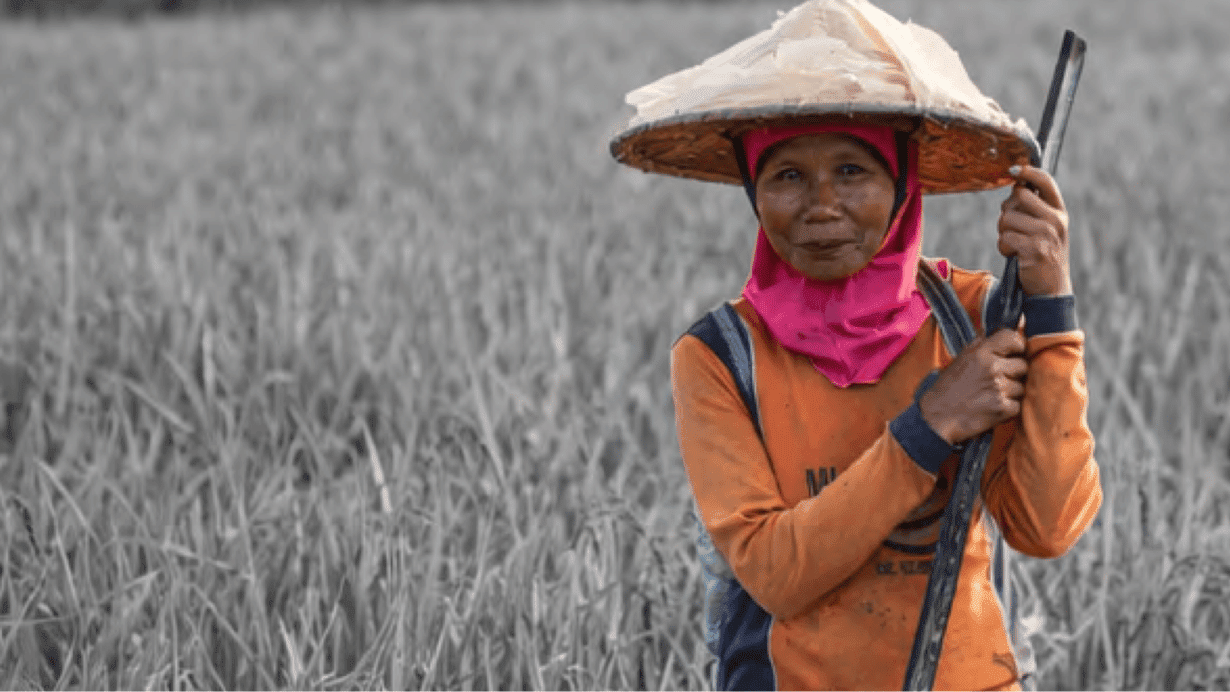
This question becomes even more urgent when we recognize that energy and climate crises are not experienced equally by all people. Women, persons with disabilities, Indigenous Peoples, young people, fishers, farmers, and communities in remote areas often stand at the frontline of climate impacts and unequal energy access. They use energy every day to cook, manage households, work, study, care for family members, and run small businesses. Yet their voices are still often pushed to the margins of decision-making processes.
The publication “Igniting Inclusion: Women and Marginalized Groups at the Forefront of a Just Energy Transition” responds to this gap. This anthology invites readers to look at the energy transition from a more human, grounded, and community-based perspective. In this publication, energy transition is not treated only as a technical agenda. It is presented as a social process that shapes the future of many people’s lives.
Published by PWYP Indonesia, Penabulu Foundation, and Oxfam, with support from the Australian Government through the Australia NGO Cooperation Program, this anthology emerged from a short essay competition on women and local communities at the forefront of an inclusive and just energy transition. From more than 160 submissions from across Indonesia, 22 selected essays were compiled into one publication filled with stories, ideas, critique, and hope.
The essays take readers through many spaces of everyday life. They bring us to small islands, coastal villages, farming areas, Indigenous communities, domestic spaces, youth groups, and citizen-led initiatives built from limitation and resilience. Each essay reminds us that energy transition is not only about replacing fossil fuels with renewable energy. It is also about power relations, access to resources, recognition of local knowledge, and the opportunity to shape the direction of development.
One of the strongest messages in this anthology is that women and marginalized groups are not merely beneficiaries. They are agents of change.
In many communities, women play a major role in managing daily energy needs. They know how unstable electricity disrupts household work, how expensive fuel affects family economies, and how limited energy access influences health, education, and small businesses. When energy access improves, women’s workload can be reduced. Time that was previously spent on domestic tasks can be used for learning, gathering, organizing, or developing livelihoods.
Yet this kind of change does not happen automatically. Renewable energy technology does not always produce justice if the process is not inclusive. Solar panels, biogas, energy-efficient stoves, and other alternative energy sources can become powerful solutions when they are designed with communities. On the other hand, technology introduced without listening to people’s needs can become a project that feels distant from everyday realities.
Several essays in this anthology show how communities are capable of building solutions from the ground up. Some communities turn organic waste into biogas. Women’s groups strengthen household economies through clean-energy-based enterprises. Young people learn to repair and maintain renewable energy technology. Persons with disabilities also create simple innovations to respond to energy needs in their surroundings.
These stories show that a just energy transition requires more than technology. It requires trust, participation, accompaniment, local knowledge, and community leadership. When people are involved from the beginning, they are not only users. They can become managers, decision-makers, guardians of sustainability, and owners of the change itself.
At the same time, this anthology offers an important critique of energy transition practices that remain overly technocratic and top-down. In some contexts, projects described as green may create new forms of inequality. Local communities may lose access to land, water, forests, living spaces, or livelihoods. Women may face heavier burdens when change fails to consider unpaid care and domestic work. Marginalized groups may become further excluded when information, consultation, and benefits are not made equally accessible.
For this reason, the energy transition cannot be assessed only by how clean its technology is. It must also be assessed by how just its process is.
Energy justice means ensuring that every group has the right to be heard, involved, and able to benefit. Women must have space in village meetings, policy forums, and resource management. Persons with disabilities need equal access to information, technology, training, and economic opportunities. Young people need room to innovate and lead change. Indigenous Peoples and local communities need recognition of their knowledge, rights, and relationship with their living territories.
This is where the GEDSI approach, which stands for Gender Equality, Disability, and Social Inclusion, becomes essential. GEDSI is not an add-on to energy programs. It is a way to ensure that the energy transition does not leave behind those who are most affected. This approach helps us ask who has access, who makes decisions, who carries the risks, and who receives the benefits.
The anthology “Igniting Inclusion” also shows that local knowledge is a vital part of the solution. Many communities have long developed ways to adapt to energy limitations, changing weather patterns, and economic pressure. They understand the resources around them, local work patterns, household needs, and social dynamics that determine whether an initiative can succeed. When this knowledge is valued, energy solutions become more relevant and more sustainable.
On the contrary, when local knowledge is ignored, the energy transition risks becoming an agenda that feels disconnected from people’s lives. It may arrive as a project rather than a process of change. It may produce infrastructure but not ownership. It may introduce new technology but fail to respond to the most urgent needs.
This is why the publication matters not only for energy activists or policymakers. It is also relevant for civil society organizations, local governments, communities, academics, media, development actors, and anyone who wants to understand the energy transition through the lens of social justice.
Each essay reminds us that Indonesia’s energy future will not be shaped only by national roadmaps, large-scale investments, or emission targets. It will also be shaped by conversations in villages, women’s courage to speak, youth innovation, the resilience of coastal communities, and the recognition of groups that have too often remained unseen.
A truly just energy transition must begin with a simple question: who has been most affected, and have they been given the space to lead change?
“Igniting Inclusion” is an invitation to reignite the meaning of inclusion in the energy transition. It encourages us to see that energy is not only about electricity, fuel, or technology. Energy is also connected to dignity, opportunity, health, education, livelihoods, and a more equal future.
If Indonesia wants to build an energy transition that is not only green but also just, women and marginalized groups must be placed at the center of change. Not as an addition. Not as a footnote. But as leaders, knowledge holders, and key drivers toward a more inclusive energy future.
To read the full stories from communities across Indonesia, please complete the form below and download the publication “Igniting Inclusion: Women and Marginalized Groups at the Forefront of a Just Energy Transition.”