


The year 2025 marked an important moment for the direction of Indonesia’s energy transition. The government established the National Energy Policy through Government Regulation No. 40 of 2025, setting a target of increasing the renewable energy mix to 70 percent by 2060. At the same time, dependence on coal remains high and the integration of social justice perspectives into energy policies is still limited.
In this context, PWYP Indonesia plays a role as an advocacy actor that bridges policy processes with civil society perspectives. Between July and December 2025, PWYP carried out a range of activities focused on policy advocacy, capacity strengthening, and knowledge production. This approach aims to ensure that the energy transition is not only technical in nature, but also grounded in social justice.
During this period, PWYP conducted 16 activities involving a wide range of stakeholders. These included national and local government institutions, civil society organizations, academics, and local communities. Cross sector collaboration became a key strategy in strengthening advocacy efforts at the national level.
PWYP also actively engaged in several strategic policy processes. These included the revision of the National Energy Plan, discussions on the Renewable Energy Bill, and the development of the JETP progress report. This involvement shows that PWYP is not only present in discussion spaces, but is also part of processes that influence policy direction.
Driving Change Through Data, Forums, and Campaigns
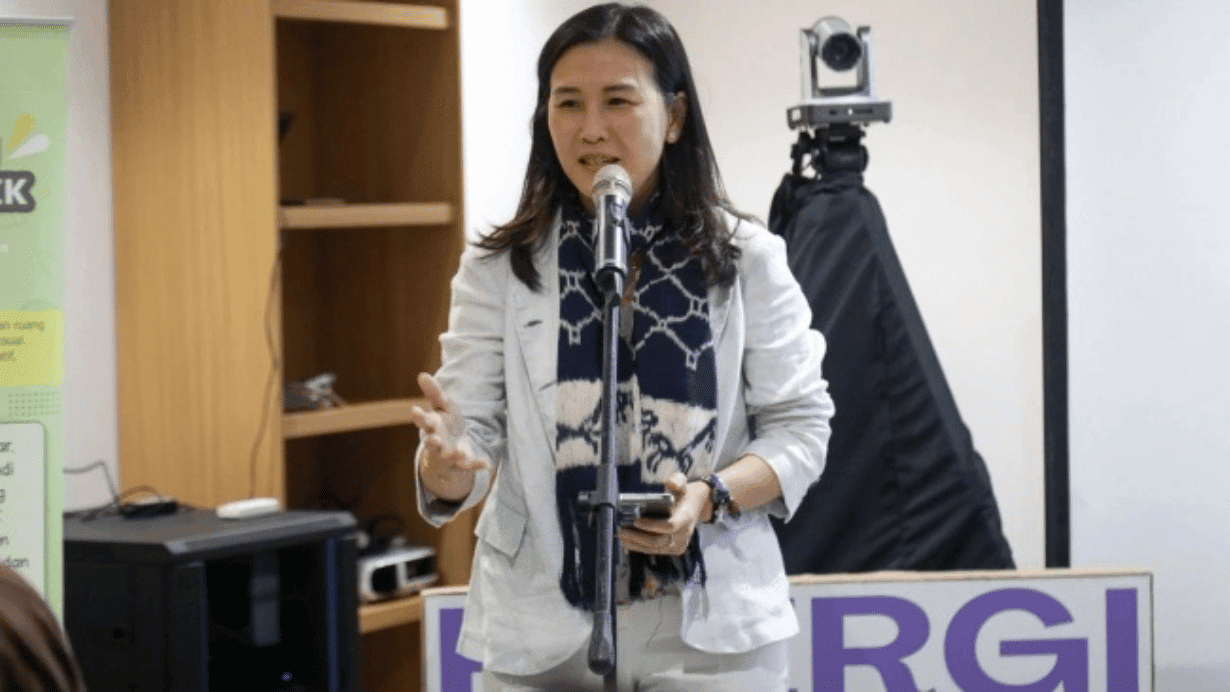
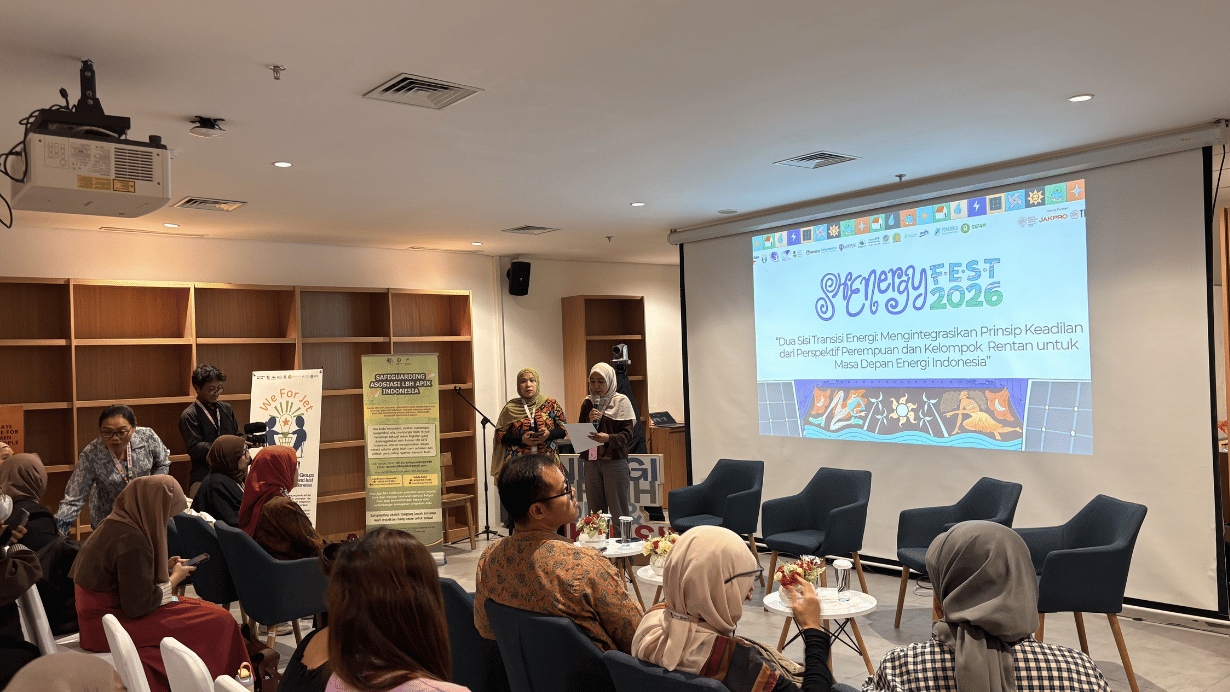
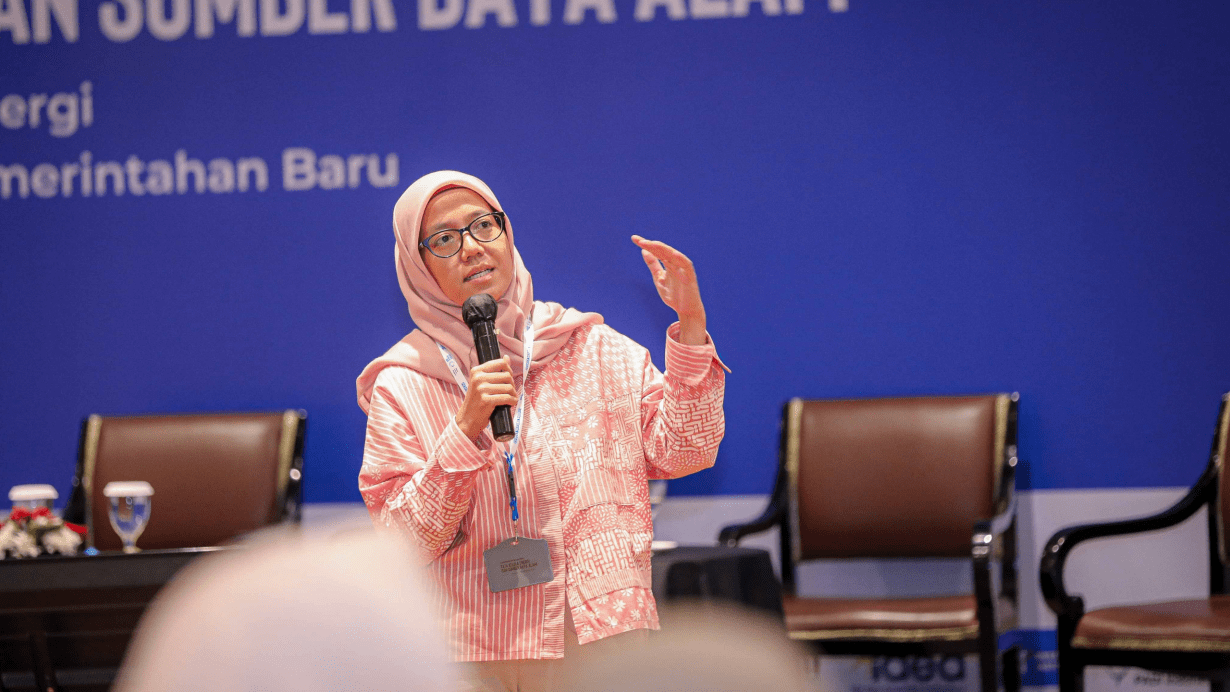
PWYP’s advocacy efforts are carried out through a combination of approaches that include dialogue forums, policy research, and public campaigns. One of the key activities was a multi stakeholder forum in East Nusa Tenggara involving 67 participants from different sectors. The forum served as a space to discuss regional energy transition challenges and gather inputs grounded in local contexts.
In addition, PWYP facilitated focus group discussions involving 40 participants from government, civil society, and local communities. These discussions produced a shared understanding of the revision processes of the National and Regional Energy Plans and generated recommendations related to GEDSI integration, public participation, and grievance mechanisms. This highlights the importance of dialogue spaces in improving policy quality.
At the global level, PWYP participated in preparatory discussions for COP30 with various stakeholders. These engagements resulted in an initial analysis of the gaps in GEDSI integration within national policies and international commitments. The findings became a foundation for developing policy briefs and further advocacy.
Beyond policy advocacy, PWYP also actively led public campaigns. Through the Climate Day initiative, PWYP engaged youth and the wider public through essay and photography competitions. This initiative generated dozens of submissions and increased public engagement on the issue of a just energy transition.
Communication efforts were further strengthened through social media content production. Dozens of pieces of content were published, reaching wide audiences and generating strong engagement. These campaigns helped build the narrative that the energy transition is a social issue that requires participation from diverse groups.
Advocacy Impact and the Way Forward
A series of PWYP’s activities have started to show impact at the policy level. One visible change is the evolving definition of a just energy transition, which is becoming more inclusive. This approach increasingly emphasizes meaningful participation, social justice, and the protection of vulnerable groups.
In addition, GEDSI principles have begun to be integrated into thematic JETP reports, particularly within the framework of a just transition. This reflects growing recognition of the importance of inclusivity in energy policy. However, implementation at the operational level still requires further strengthening.
PWYP has also contributed to advancing women’s representation in energy policy structures. In the selection process for the National Energy Council for the 2026 to 2030 period, one woman was appointed among eight members. This marks progress compared to the previous period, which had no female representation.
Recommendations from PWYP and civil society coalitions have also started to be reflected in the 2025 JETP progress report. These recommendations include aspects of transparency, accountability, and GEDSI integration in energy transition implementation. This opens further opportunities for advocacy at the implementation stage.
At the same time, challenges remain. Advocacy processes are highly influenced by policy dynamics that often involve changes and delays. Strengthening networks with key actors in government and parliament is also critical to improving advocacy effectiveness.
Overall, PWYP’s experience shows that consistent and data driven advocacy can contribute to policy change. A collaborative approach that engages multiple stakeholders is also key in expanding influence. With the foundation that has been built, efforts toward a just energy transition have strong potential to continue growing in the future.