


A just energy transition requires more than technology and policy. It also needs actors who can bridge the interests of diverse groups. In West Nusa Tenggara, this role is increasingly taken on by the GEDSI JET Working Group NTB as a multi stakeholder collaboration platform. The forum is designed to ensure that women, persons with disabilities, and other vulnerable groups are meaningfully involved in the energy transition process.
Between July and December 2025, the GEDSI JET Working Group NTB experienced significant institutional development. What was once an informal forum began to transform into a more structured entity through a formalization process into an association. This step strengthened the forum’s legitimacy in engaging with government, civil society organizations, and development partners.
This institutionalization process was accompanied by the development of key governance documents such as statutes, standard operating procedures, and a clearer organizational structure. In addition, the establishment of four thematic working groups allowed the forum to operate more effectively. This strengthening enabled the forum not only to remain active in discussions, but also to take on program implementation functions more independently.
During this period, the GEDSI JET Working Group NTB also demonstrated increasing independence in program management. The forum was able to produce activity reports, manage PWWWD data, and implement monitoring and evaluation systems in a more systematic way. These developments indicate continuous growth in organizational capacity.
Through its various activities, the forum directly reached 141 beneficiaries recorded in the MEAL system. This outreach extended beyond NTB to East Nusa Tenggara through cross regional learning activities. This expansion shows that a network based approach is beginning to generate broader impact.
Strengthening Capacity and Expanding Influence
Alongside institutional strengthening, the GEDSI JET Working Group NTB focused on building the capacity of its members. Various trainings were conducted to strengthen advocacy skills, deepen GEDSI understanding, and enhance technical competencies. These activities were designed to ensure that members not only understand the issues, but are also able to drive change.
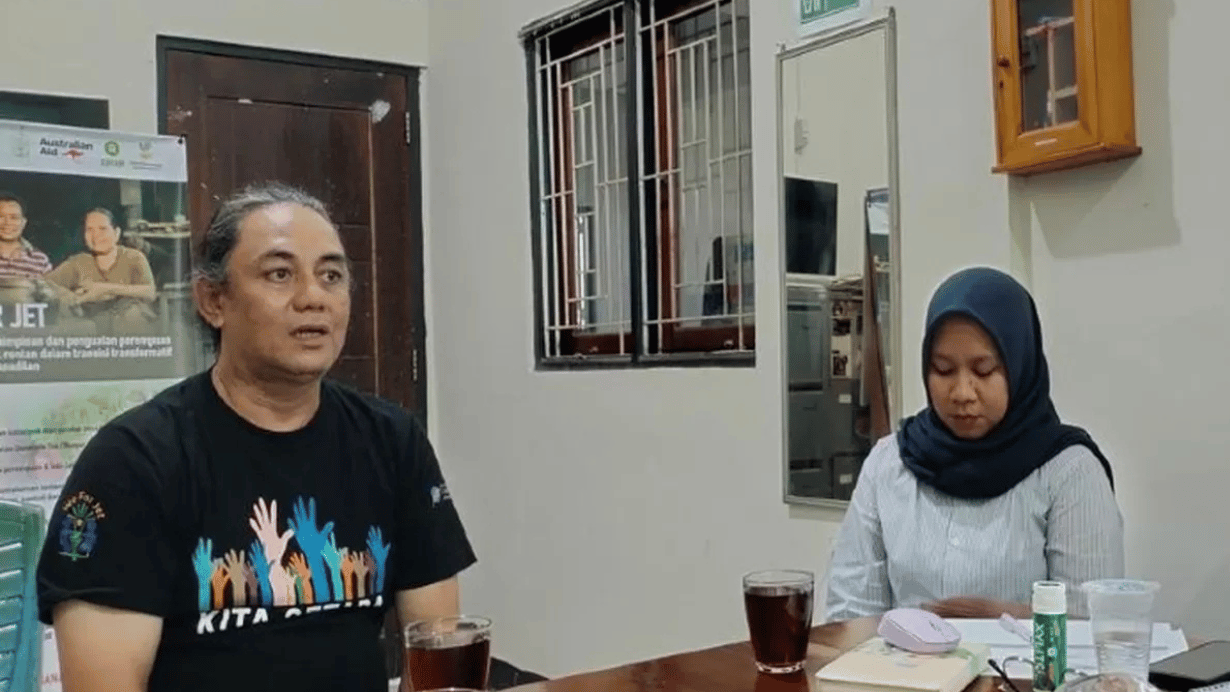
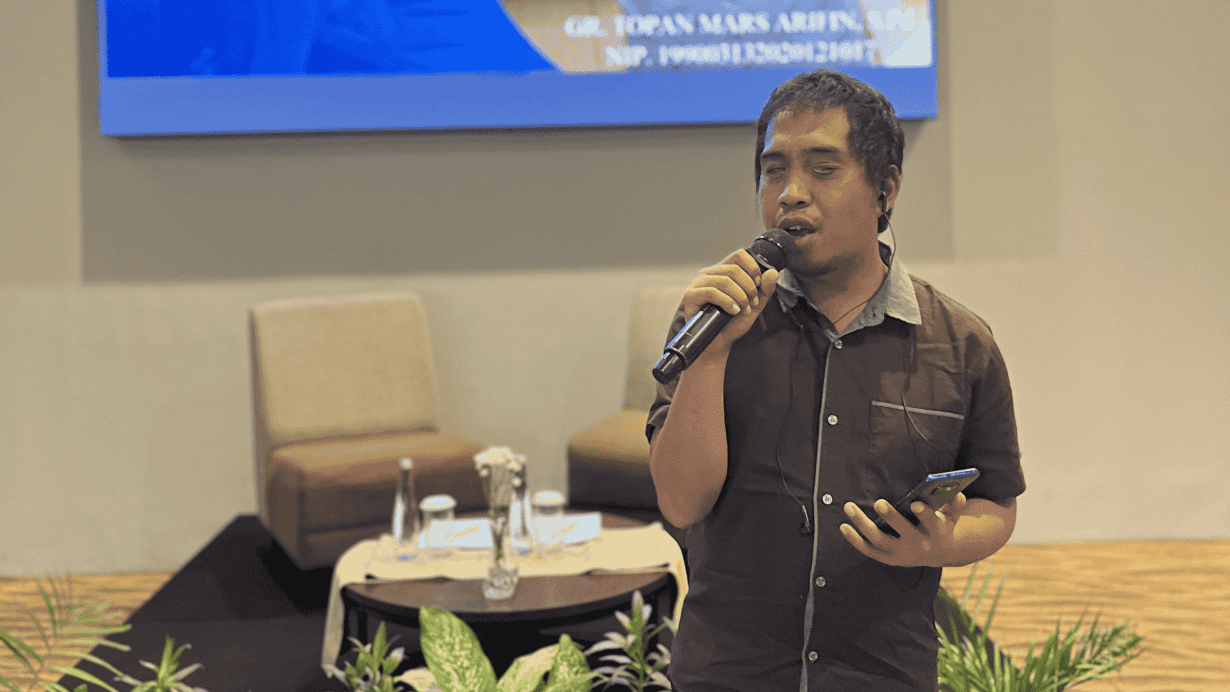
Advocacy training became one of the key activities during this period. More than 30 participants were involved, with a majority of women and active participation from persons with disabilities. In these sessions, participants learned not only advocacy strategies, but also inclusive approaches that are more responsive to the needs of vulnerable groups.
One notable shift was the growing awareness of the importance of disability perspectives in advocacy. Participants began to understand that inclusion is not only about presence, but also about how people interact and communicate. This was reflected in changes in language use and in more accessible ways of sharing information.
The forum also achieved concrete advocacy outcomes. One example is the support for the development of three household biogas units through collaboration with local government. This initiative demonstrates that community based advocacy can lead to tangible change.
The advocacy approach also takes into account social and cultural aspects. One emerging initiative is the promotion of halal certification for biogas to increase community acceptance. This shows that energy transition efforts can be aligned with local values.
Paralegal training was another important component of capacity strengthening. Through this training, community members gained basic skills in legal assistance and case handling. This approach is essential to ensure that energy development does not create negative social impacts for vulnerable groups.
One outcome of this process is the emergence of initiatives to establish grievance mechanisms at the village level. Communities have begun to develop case handling procedures that can be used independently. This marks an important step toward strengthening access to justice at the grassroots level.
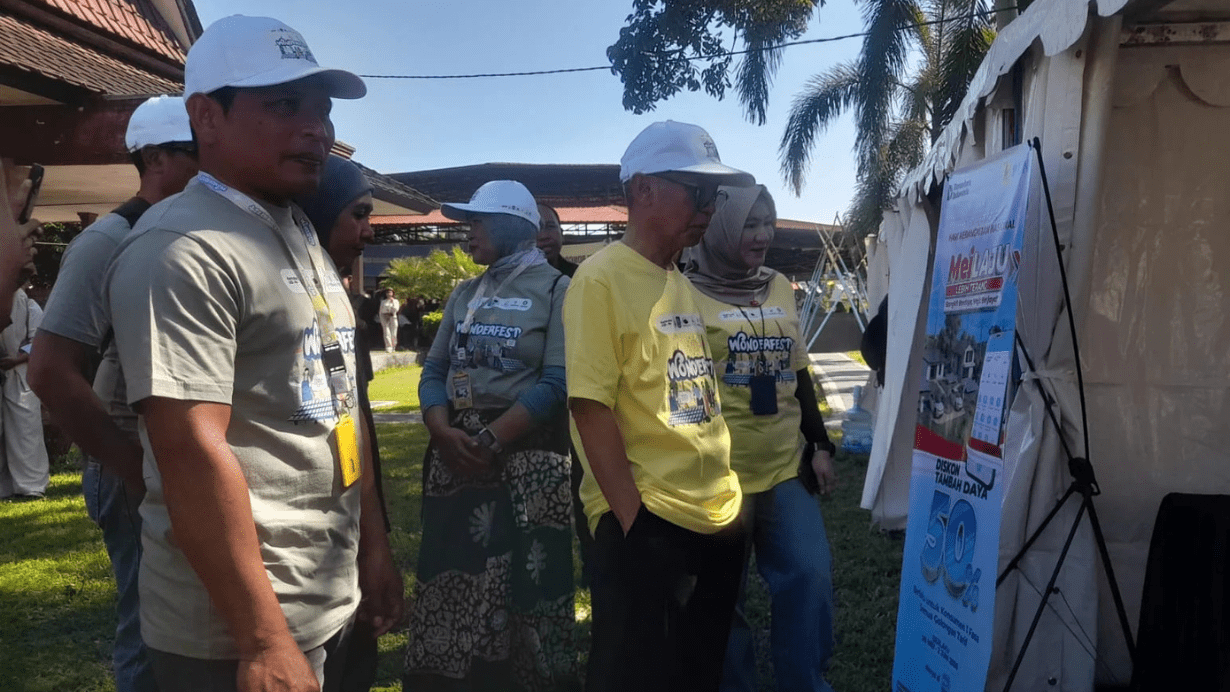
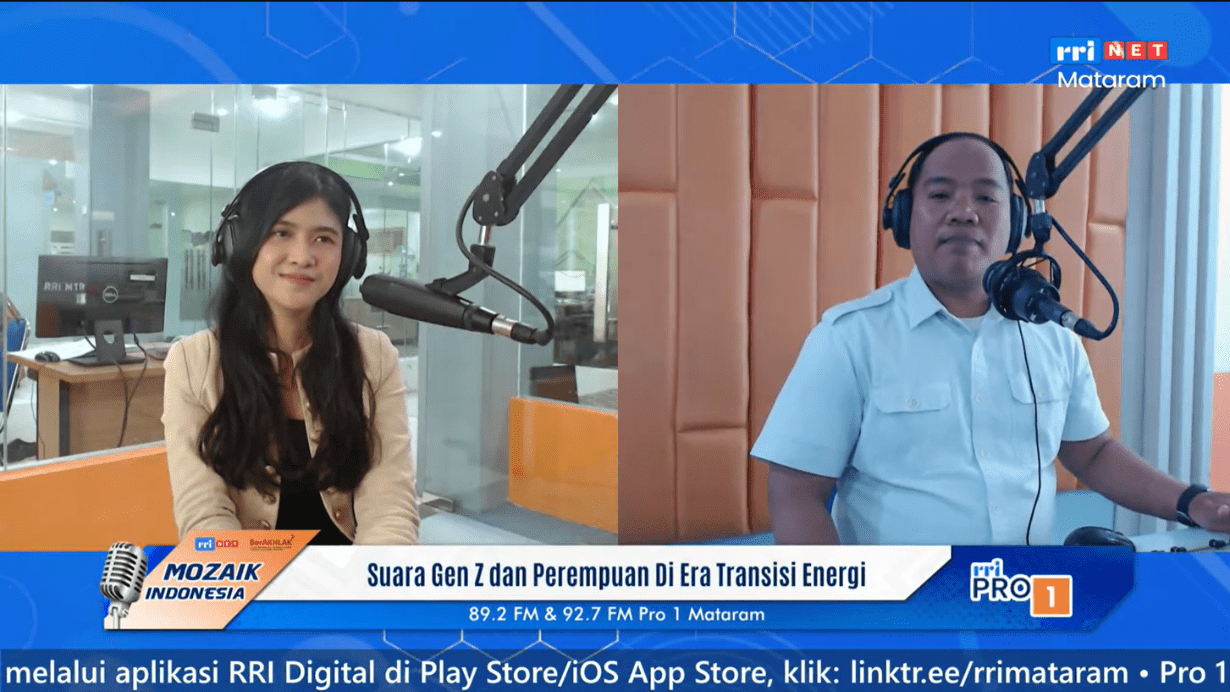
In addition to capacity building, the GEDSI JET Working Group NTB actively expanded its networks. Collaboration was developed with youth communities, academics, media, and civil society organizations. This approach strengthened the forum’s position within the regional energy transition ecosystem.
This network expansion has led to increased recognition. The GEDSI JET Working Group NTB is now receiving invitations to participate in strategic discussions, indicating that the forum is increasingly seen as a key actor in advancing a just energy transition.
Implementation Challenges and Pathways to Sustainability
Despite these achievements, several challenges emerged during program implementation. One of the main challenges is the transition to becoming an implementing partner, which requires adjustments to more structured, results based ways of working.
Another challenge lies in the distribution of roles among working groups. Some groups have higher levels of activity than others, affecting overall participation and effectiveness.
These challenges, however, are part of the organization’s learning process. The institutional strengthening that has taken place provides a foundation for improving role distribution and work systems moving forward. The forum is beginning to adopt more adaptive approaches in managing its activities.
Important lessons have also emerged in communication and knowledge management. The establishment of the forum’s official website is a strategic step in creating an accessible information hub. This platform is used to expand outreach and document activities.
The involvement of youth communities has also become a key strategy for sustainability. More creative campaign approaches have proven effective in reaching wider audiences. This opens opportunities for the regeneration of actors in the energy transition space.
Collaboration with academics has contributed to strengthening data and analysis. These engagements have led to plans for research development and community service programs, creating further opportunities for long term sustainability.
Overall, the journey of the GEDSI JET Working Group NTB reflects significant transformation. The forum has evolved from a discussion space into an actor with growing capacity and influence. With continued strengthening, it holds strong potential to drive broader systemic change.