


In the first six months of WE FOR JET program implementation, CIS Timor began its intervention from the most critical point in the energy transition, the community level.
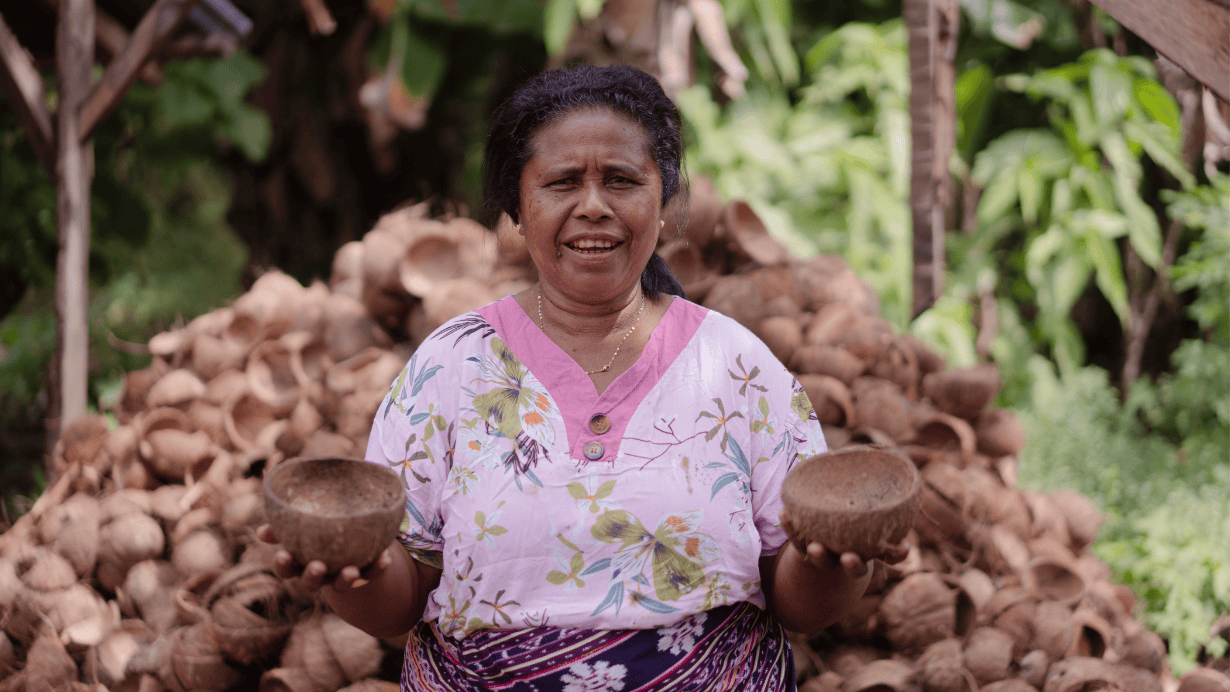
Between July and December 2025, a total of 375 people were directly involved in various program activities. Of this number, 228 were women and 147 were men, including 13 persons with disabilities. This composition shows that the program not only reached communities broadly, but also successfully engaged groups that have often been underrepresented in the energy sector.
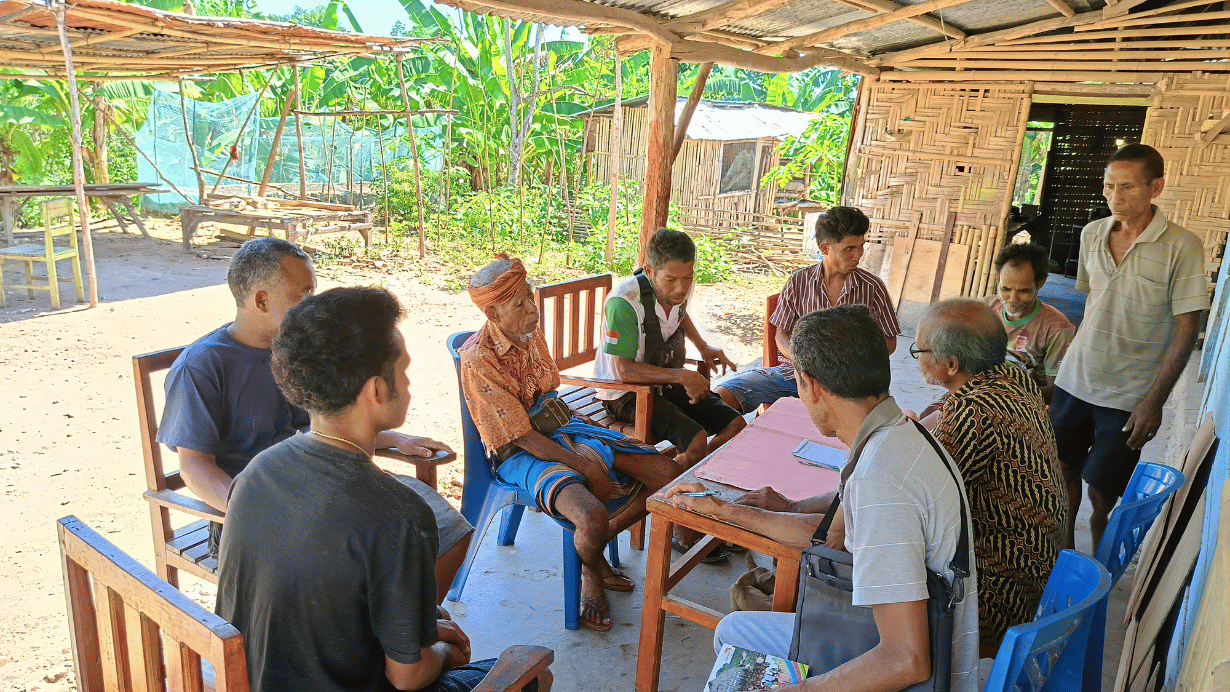
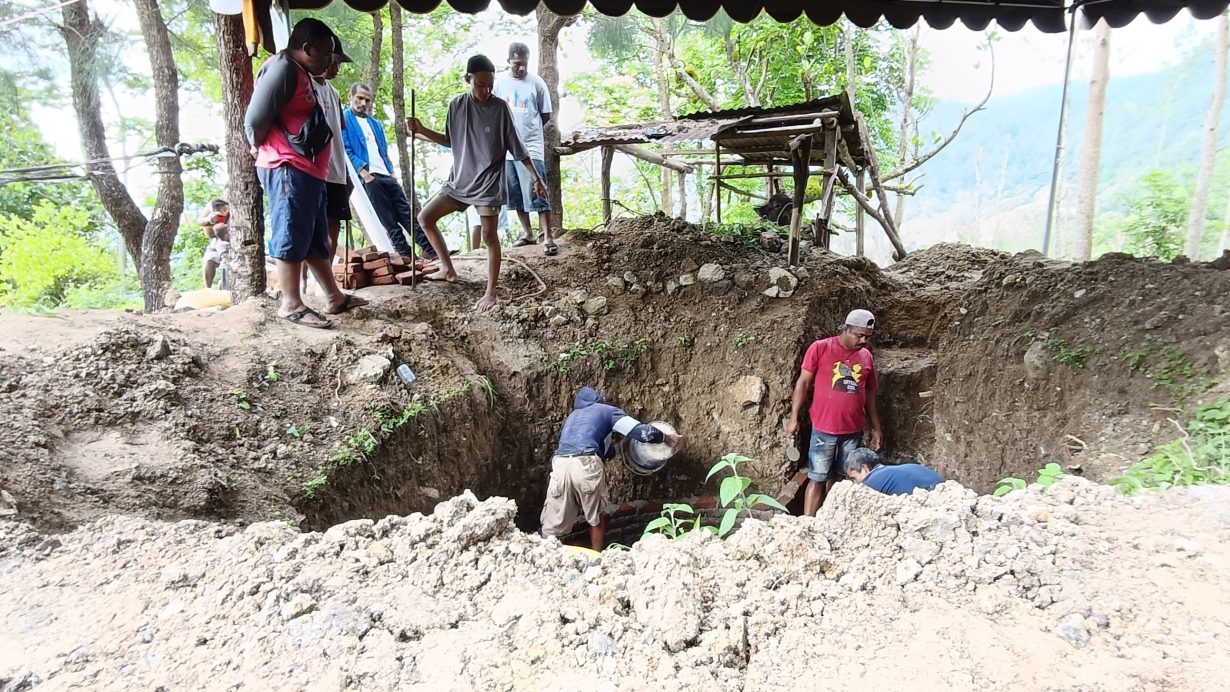
Interventions were carried out across six partner villages located in South Central Timor and Southwest Sumba districts. At the initial stage, CIS Timor facilitated community organizing processes and thematic learning on GEDSI and the energy transition. A total of 141 individuals were involved in group organizing at the village level.
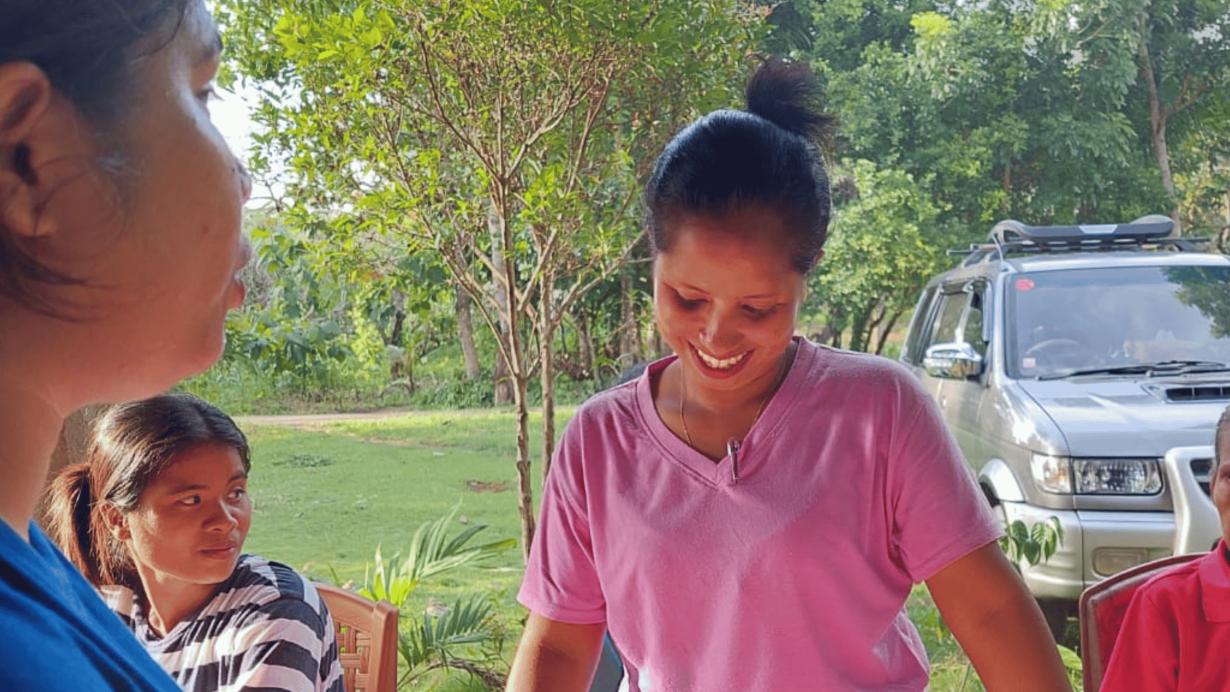
This organizing process did not serve merely as an initial activity, but became the foundation for building collective awareness. Through this process, communities began to understand the connections between energy, household economies, and gender roles. Women who were previously not involved in energy discussions started to actively share their perspectives and experiences.
In addition, village level potential mapping was conducted across several key areas. This included identifying renewable energy opportunities suited to local conditions, productive economic sectors such as small and medium enterprises that could be developed, as well as human resource capacity and institutional actors that could drive the program. This approach ensured that interventions were not generic, but tailored to the specific needs and potentials of each village.
Changes at this stage were reflected in increased participation and a shift in community roles, from passive beneficiaries to active actors in the process of change.
From the Field to Public Spaces: Shifting Narratives and Strengthening Advocacy
Alongside building a strong foundation at the community level, CIS Timor expanded its interventions into public communication and policy advocacy.
Over the six month period, CIS Timor produced 11 publications disseminated through social media and online media platforms. These publications covered a range of topics, from program introduction and community level stories of change, to the importance of women’s involvement in the energy sector.
The platforms used included Instagram, Facebook, TikTok, as well as local online media outlets. This strategy enabled program messages to reach broader and more diverse audiences.
One key strategic step was collaboration with women journalists in East Nusa Tenggara. This collaboration played an important role in strengthening media coverage that highlights justice aspects in the energy transition. Energy issues that were previously discussed mainly in technical terms began to be linked to social realities, including the experiences of women and vulnerable groups.
The impact is beginning to be seen at the provincial level. Discussions around energy are no longer focused solely on technology and development targets, but increasingly incorporate inclusivity perspectives. The involvement of women and persons with disabilities is starting to become part of policy discussions.
The program also promotes a collaborative approach by engaging various actors, including civil society organizations, local governments, and educational institutions. This collaboration strengthens support for the program in terms of policy alignment, technical capacity, and future funding opportunities.
Field Challenges: Infrastructure, Capacity, and Data
Behind these achievements, program implementation also revealed several challenges that are critical for long term sustainability.
One of the main issues is the sustainability of renewable energy infrastructure. Some facilities, such as solar power systems, are not yet functioning optimally over the long term. This is due to the absence of structured maintenance systems and limited technical capacity at the local level.
This situation shows that infrastructure development alone is not sufficient. A more comprehensive approach is needed, one that includes strengthening community capacity to manage and maintain existing technologies.
In response, there is a growing need to develop local technicians at the village level. Strengthening this capacity is essential to ensure sustainability while also creating new economic opportunities, particularly for women and vulnerable groups.
Another challenge is the lack of disaggregated data. The absence of detailed data, especially related to disability, makes it difficult to design truly inclusive programs. Without adequate data, the risk of exclusion for certain groups remains high.
In addition, there are challenges related to governance and access to funding. The capacity of local actors to access and manage financial resources still needs to be strengthened. At the same time, centralized policy dynamics limit the ability of local governments to independently develop energy initiatives.
However, identifying these challenges is an important part of the program’s learning process. CIS Timor not only documents achievements, but also uses field findings to refine its strategies moving forward.
With 375 people already engaged, an expanding collaboration network, and continuous learning, the program demonstrates that a just energy transition requires an integrated approach. This includes strengthening communities, shifting public narratives, and improving supporting systems.