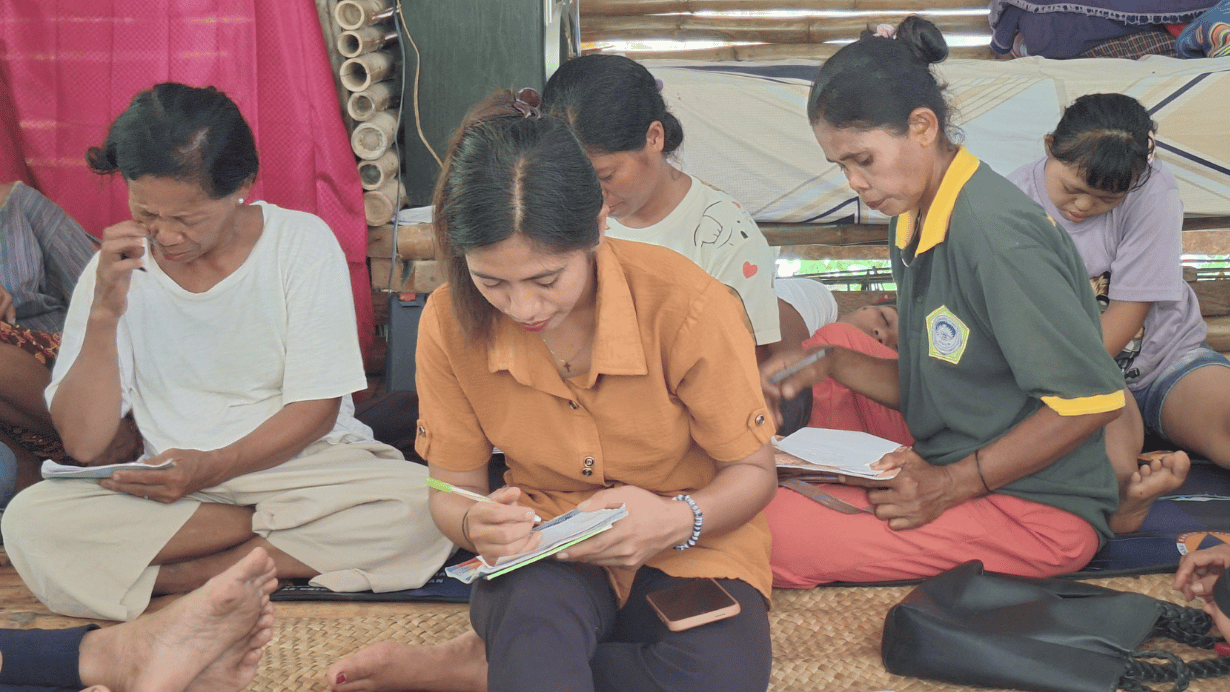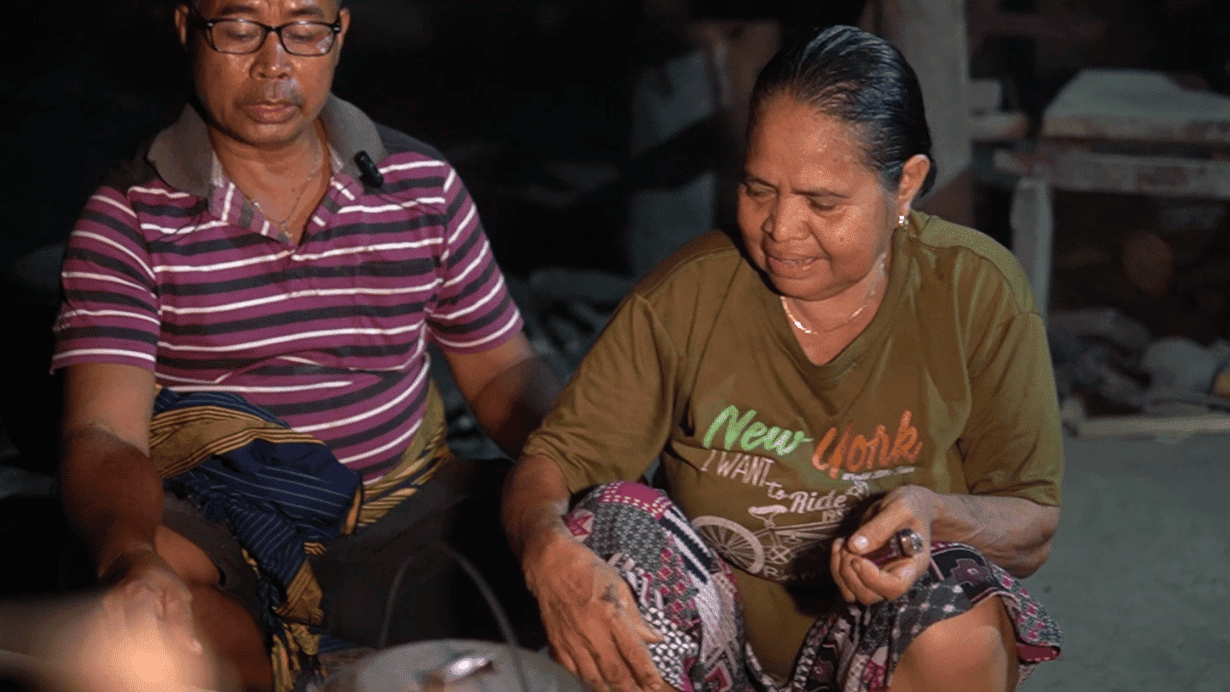


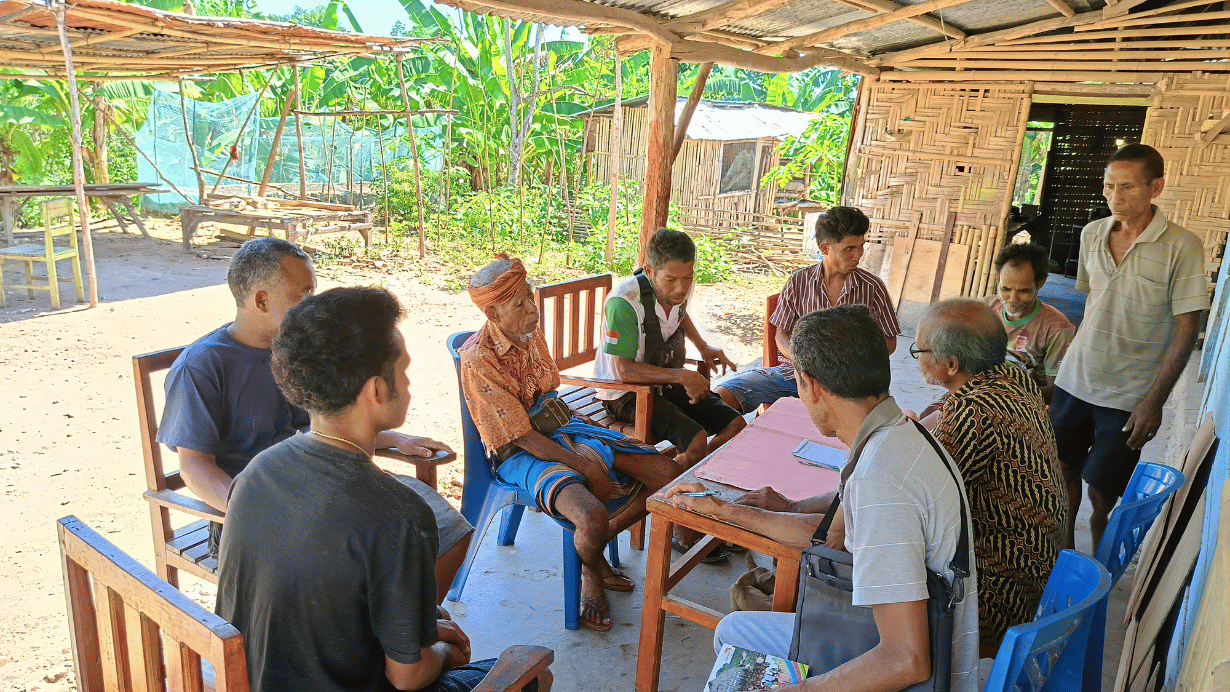

Energy transition is often discussed through the language of technology, power plants, electricity grids, and renewable energy sources. Yet in many villages across East Nusa Tenggara, the energy transition is also closely connected to something much more familiar in daily life: care work.
Care work includes cooking, washing, collecting water, gathering firewood, caring for children, supporting sick family members, and preparing household needs. These tasks sustain families and communities. Yet much of this work is unpaid and often remains invisible.
The Rapid Care Analysis (RCA) Unpaid Care Domestic Work (UCDW) Report by CIS Timor in NTT shows that unpaid care work is closely linked to a just energy transition. Data and analysis on care work and gender are essential to ensure that renewable energy initiatives truly benefit women, persons with disabilities, and other vulnerable groups.
RCA Reveals the Story Behind Daily Routines
The RCA was conducted in the context of the WE For JET program, implemented by Oxfam in Indonesia and CIS Timor in six villages in East Nusa Tenggara. The study locations were in two districts: Timor Tengah Selatan and Sumba Barat Daya. The villages included Mutis, Nenas, Pene Utara, Loko Kalada, Waikaninyo, and Umbu Ngedo.
The study used several RCA tools, including daily activity and time-use analysis, gender norms and role distribution, care-related infrastructure mapping, and prioritization of care-related needs. This approach helped identify how women and men use their time, divide responsibilities, and experience limited basic services in the village.
The findings are clear: women carry a much heavier workload. They do not only perform domestic work. They also work in the fields, run small businesses, care for livestock, and participate in social activities. In many cases, women wake up earlier and sleep later than men.
The report notes that women can spend up to 18 productive hours per day, compared to around 12 hours for men. Women also have much less time to rest. This situation reflects what is often called “time poverty”, a condition where women have very limited time to rest, learn, organize, or develop their livelihoods.
Gender Norms Make Women’s Work Invisible
The division of work in the villages is strongly shaped by social norms, culture, and family habits. Many household tasks are seen as “women’s work”, including cooking, washing clothes, cleaning the house, collecting water, and caring for children. Men, on the other hand, are more often positioned in public spaces, physically demanding work, or decision-making roles.
In a focus group discussion in Pene Utara Village, for example, cooking and preparing food were understood as women’s responsibilities because they were seen as part of tradition and family habits. Tasks such as washing clothes, cleaning the house, and caring for children were also attached to women.
A similar pattern appeared in Waikaninyo Village, Sumba Barat Daya. Women played major roles in cooking, cleaning, washing clothes, collecting firewood, preparing food for customary events, and supporting ritual needs. Yet men remained more visible in customary roles, such as leading events, slaughtering animals, or acting as customary spokespersons.
This means women work across many spaces: the home, the field, customary events, and community life. However, their contributions are often not recognized as important work. Women are present everywhere, but their voices are not always present in decisions.
Water, Electricity, and Roads Shape the Burden of Care Work
The RCA also shows that village infrastructure directly affects women’s care workload. Access to clean water, electricity, health services, education, roads, and markets is not only a matter of physical development. These services are closely linked to the time and energy spent on care work.
In several villages, water sources exist, but piping systems have not reached households. As a result, residents, especially women, still have to walk to collect and carry water. In villages where water sources are 500 meters to 1 kilometer away, collecting water is not an easy task, especially when roads are uneven or steep.
Electricity is also a critical need. In Pene Utara Village, residents said electricity could help women work at night, support children’s learning, ease communication, and reduce dependence on firewood for some household tasks. In Nenas Village, solar power is available, but it remains limited to lighting and is not yet sufficient to support productive activities.
This shows that the energy transition cannot stop at technology provision. Energy must be assessed by its impact on people’s lives, especially those who carry the heaviest care burden.
A Just Energy Transition Must Reduce Burdens, Not Create New Ones
One of the most important lessons from the report is that a just energy transition must take care work into account. When households still depend on firewood, women spend time collecting, preparing, and using it. When electricity is limited, women lose opportunities to carry out productive activities at night. When clean water is far away, women’s time is absorbed by water collection.
In other words, limited energy and infrastructure extend women’s working hours. This situation also limits women’s space to learn, organize, lead, and participate in decision-making forums.
That is why the energy transition must be linked to changes in gender relations. Renewable energy should help reduce the care burden. Technology must be user-friendly. Infrastructure must respond to people’s real needs. Planning processes must involve women, persons with disabilities, and vulnerable groups from the beginning.
The Pathway to Change: From Households to Village Policy
The report recommends strengthening capacity and awareness on gender justice, not only for women, but also for men, customary leaders, religious leaders, village governments, and the wider community. Change must begin in the household, but it also needs support from village and regional policies.
Village and regional governments need to ensure women’s participation in development planning, especially on energy, clean water, health, education, and the local economy. Village policies and budgets should prioritize infrastructure that reduces the burden of care work, such as clean water piping systems, access to electricity, health services, village roads, and education facilities.
Change also requires the support of key actors. Parents can model a fairer division of household work. Customary and religious leaders can help shift norms that limit women’s roles. Governments can open spaces for participation. Communities can ensure that care work is no longer treated as women’s responsibility alone.
Recognizing Care Work Is Part of Energy Justice
A just energy transition in NTT must respond to the most immediate needs at the household level. It is not only about how much electricity is available, but whether that electricity reduces women’s workload. It is not only about how much infrastructure is built, but whether that infrastructure makes people’s lives easier, safer, and more equal.
CIS Timor’s RCA report reminds us that care work is the foundation of everyday life. When this work is not recognized, women continue to carry heavy burdens in silence. But when care work is counted, shared, and supported by adequate infrastructure, the energy transition can become a pathway to more meaningful justice.
Clean energy should not only light up homes. It should also open time, space, and opportunities for women to lead change.
Download the full Rapid Care Analysis (RCA) UCDW Report by CIS Timor in NTT in Bahasa Indonesia here.