



The energy transition is not only about shifting energy sources, but also about ensuring justice for the communities affected. In Indonesia, particularly in West Nusa Tenggara, efforts toward a Just Energy Transition still face significant challenges, especially in terms of access to and utilization of financing.
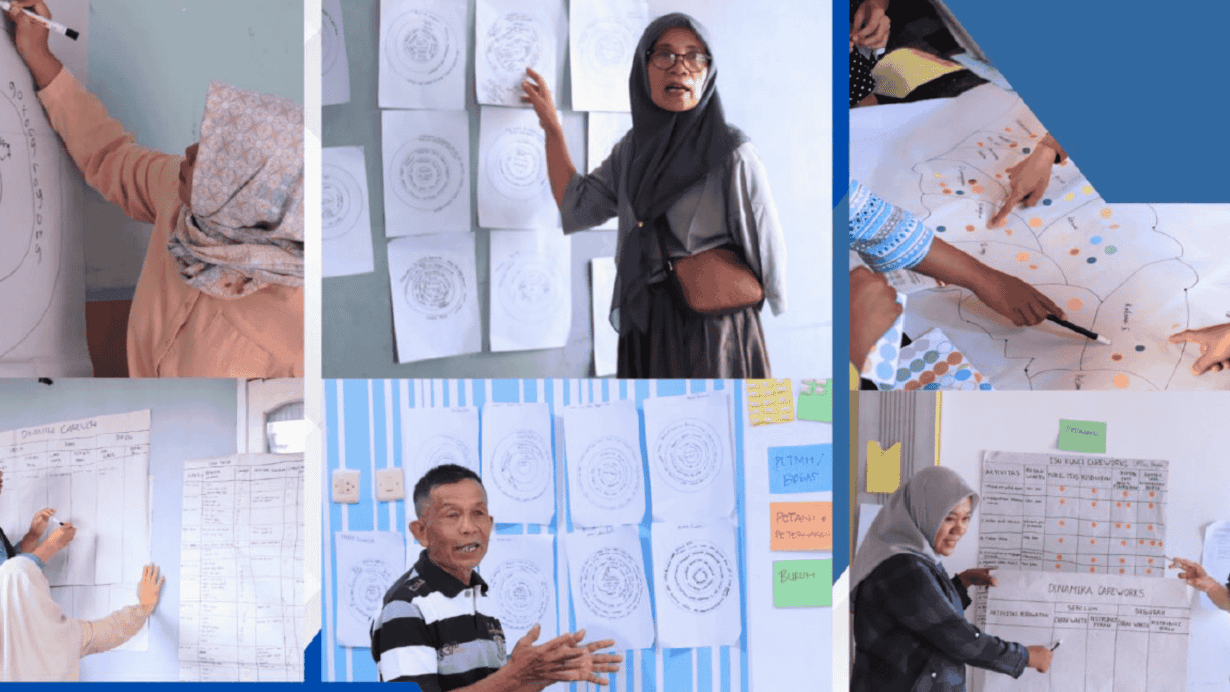
A recent study titled Mapping Opportunities and Access to Financing for JET and Renewable Energy Developmenttakes a closer look at how funding opportunities are structured, who can access them, and why many stakeholders continue to face barriers. The study focuses on three strategic areas: West Lombok, Central Lombok, and East Lombok.
This research is important because renewable energy financing remains a relatively new issue at the local level, with no clear direction in place. Yet, the success of the energy transition depends heavily on how financing can be accessed fairly and effectively by various actors, including local governments, communities, and civil society organizations.
Big Opportunities, Real Challenges
Indonesia has significant potential to advance a just energy transition. One example is global financing schemes such as the Just Energy Transition Partnership, which is valued at billions of dollars. In addition, funding is available through national and regional budgets that can support renewable energy development.
However, the study finds that these opportunities are not yet fully accessible. Several key challenges emerge:
Limited understanding of renewable energy financing schemes
Regulatory frameworks that do not fully support access at the local level
Limited capacity of local actors to access and manage funding
Insufficient integration of social justice perspectives, including gender, disability, and vulnerable groups
The impacts of these gaps are tangible. In the context of fossil energy, for example, women often experience a double burden due to loss of livelihoods and increased domestic responsibilities. Meanwhile, persons with disabilities face multiple barriers, ranging from social stigma to limited policy support and infrastructure.
Without an inclusive approach, the energy transition risks deepening existing inequalities.
Towards More Inclusive and Impactful Financing
This study does not only map the challenges, but also offers pathways for change. One key priority is ensuring that financing is not only available, but also accessible in a fair and inclusive way.
Recommended approaches include:
- Strengthening the capacity of local actors to understand and access financing schemes
- Integrating GEDSI principles throughout the energy transition process
- Fostering multi stakeholder collaboration between government, civil society, and the private sector
- Strengthening policies that ensure access to and sustainability of financing
Through these approaches, the energy transition can move beyond a technical agenda and become a social movement that advances justice, sustainability, and local energy independence.
Download the Full Study
This article highlights only a portion of the study’s key findings. To explore a more comprehensive analysis of opportunities, challenges, and strategic recommendations, you can access the full document through the following link: