

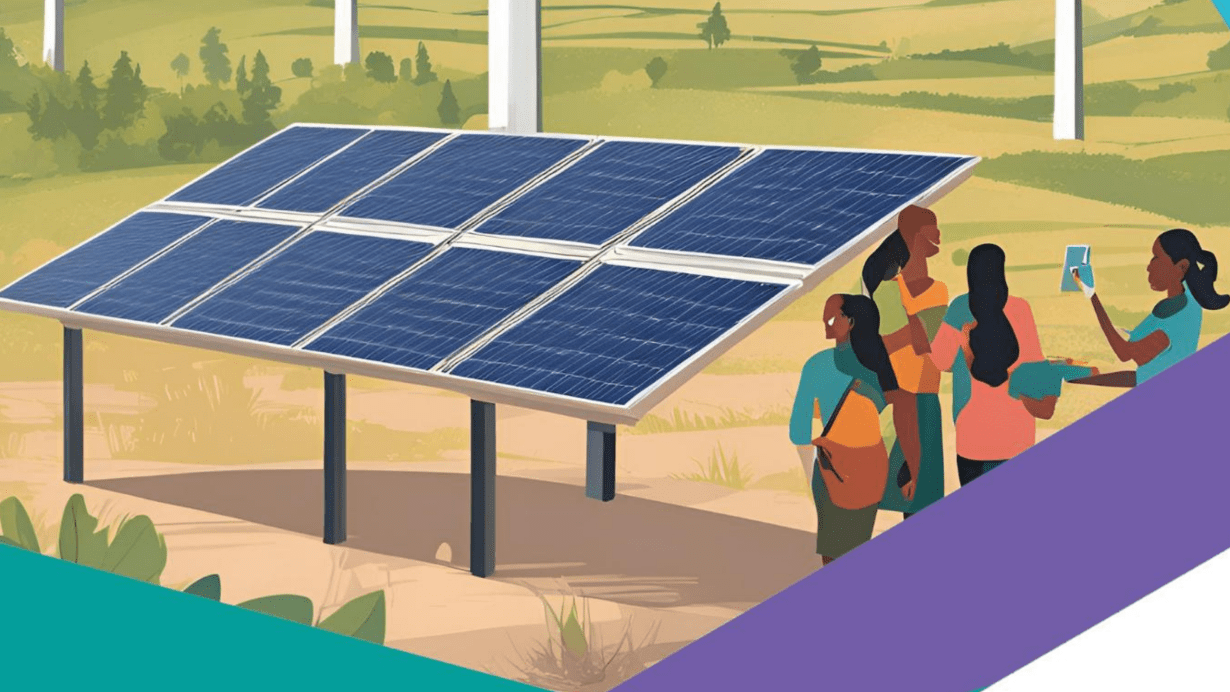

The energy transition is often understood as a shift from fossil fuels to renewable energy. However, the study Just Energy Transition from a Feminist Perspective shows that the transition cannot be viewed solely through the lens of technology, infrastructure, or energy mix targets.
In West Nusa Tenggara, commitment toward Net Zero Emissions by 2050 is already reflected in various policies, from the Regional Energy Plan to the 2024 Green Energy Governor Regulation. Renewable energy achievements have even surpassed initial targets. Yet behind this progress lies a fundamental question: are all groups truly involved and benefiting from this transition?
This study emphasizes that energy is part of everyday life, especially at the household level. In this context, women are often the primary users of energy, while persons with disabilities and other vulnerable groups face different layers of access barriers. Using a feminist approach, the study highlights how the experiences and needs of these groups are often not central in energy policymaking.
In other words, a fast energy transition does not automatically mean a just transition.
When Policies Exist but Inclusion Lags Behind
From a policy perspective, NTB already has a relatively strong foundation. Various regulations support renewable energy development and have begun to include narratives on gender equality, disability, and social inclusion. The inclusion of GEDSI principles in the 2024 Green Energy Governor Regulation marks an important step forward.
However, the study finds that GEDSI integration is not yet fully operational. Many policies lack clear technical guidance to ensure meaningful participation of women, persons with disabilities, and vulnerable groups in practice.
At the implementation level, success is still largely measured by the number of infrastructure projects or increased electricity access. Yet justice in the energy transition is not only about access. It is also about who has control, who participates in decision making, and who truly benefits.
The study also highlights knowledge gaps at both government and community levels. Not all stakeholders fully understand the concept of a just energy transition, and information about renewable energy is not evenly distributed. As a result, groups with limited access to information risk being left further behind.
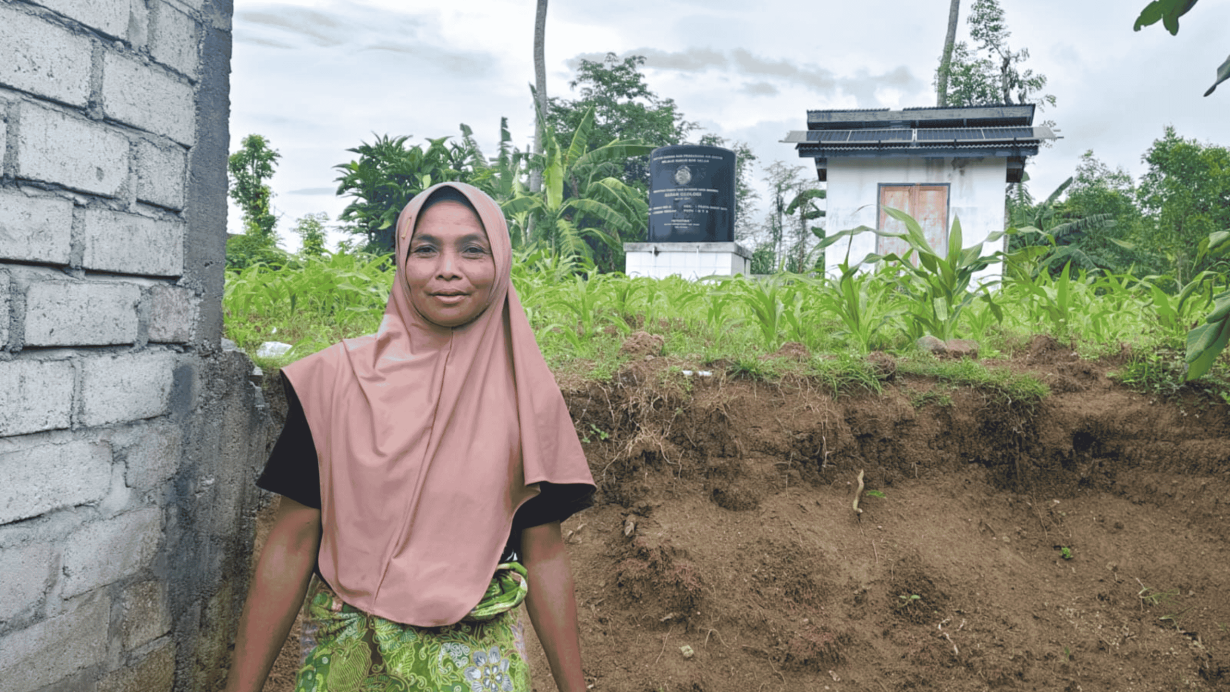
Despite these challenges, there are promising practices at the community level. Initiatives such as biogas management and community based programs show that when inclusive approaches are applied, women and vulnerable groups can become key actors in the energy transition.
The Way Forward: From Narrative to Practice
This study underlines that the biggest challenge is not the lack of policy, but how these policies are translated into inclusive practices. Key challenges include limited data and information, the absence of operational technical guidelines, evolving institutional capacity, and limited access to financing and partnerships.
At the same time, there are significant opportunities. NTB benefits from a strong ecosystem of development partners, practical experience at the grassroots level, and a policy environment that is increasingly open to GEDSI approaches.
Moving forward, more concrete actions are needed. GEDSI must become part of performance indicators, not just policy narratives. Technical guidelines should be developed to ensure that every energy program has clear standards for inclusion. In addition, strengthening capacity and expanding access to information are essential to ensure that all stakeholders share a common understanding of a just energy transition.
A successful energy transition is not only about how much renewable energy is produced, but about how the process ensures that no one is left behind.
Download the Full Study
To explore the full analysis, field findings, and policy recommendations, please download the document below: