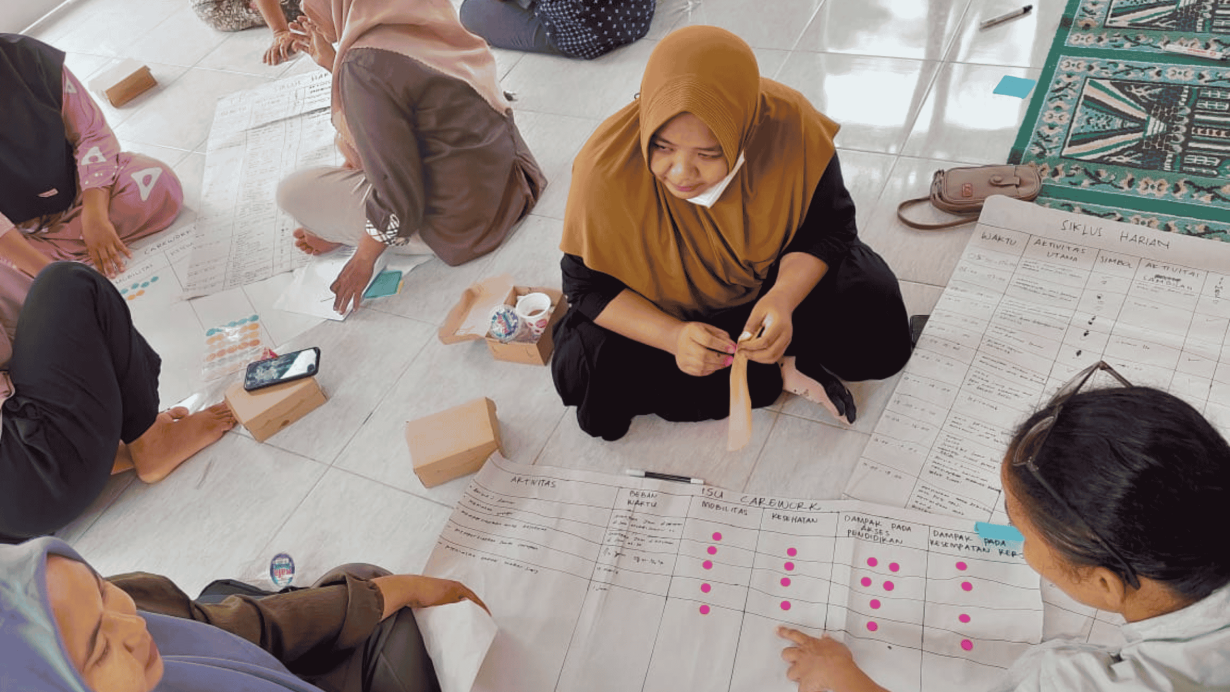


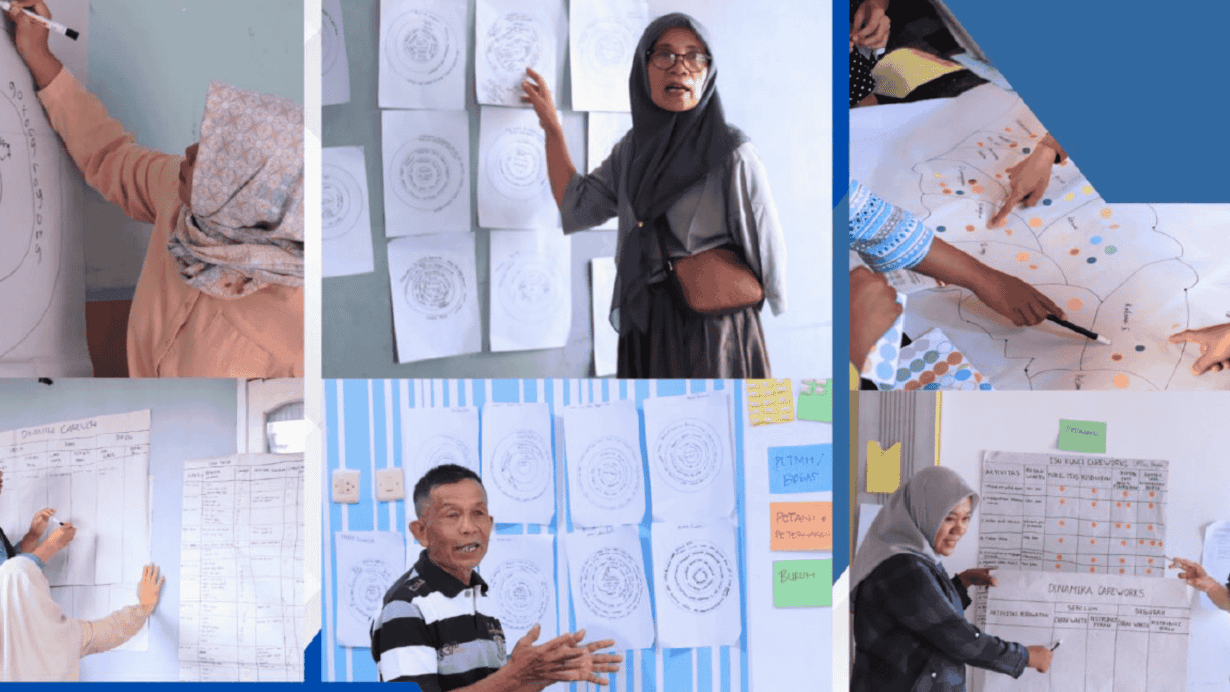
This Rapid Care Analysis (RCA) report from West Nusa Tenggara highlights an important fact that is often overlooked. The energy transition is not gender neutral. Behind every shift from firewood to LPG, and from kerosene to electricity, there is unpaid care work. Women carry most of this work, and it supports households, local economies, and the transition itself.
The study draws on participatory research in six villages. It reveals a key paradox. Access to modern energy reduces the time spent on domestic tasks. However, it does not change how roles are divided. Women still take primary responsibility for cooking, cleaning, and caregiving. This includes caring for children, older persons, and family members with disabilities. As a result, women often face limits in health, mobility, education, and economic opportunities.
This report does more than present findings. It challenges common assumptions. Technology alone cannot solve the problem. A just energy transition requires action on unpaid care work. This includes recognizing, reducing, and redistributing it. It also requires the meaningful inclusion of women and vulnerable groups in decision making.
This report is useful for those working on energy, development, gender, or community empowerment. It provides clear insights to support a transition that is both sustainable and fair.
Download the full report to learn more and rethink what a just energy transition really means.