


In Indonesia, the energy transition is still often framed in technical and economic terms. It is frequently understood as an investment project or a large-scale development agenda, while the experiences of women and vulnerable groups are rarely positioned at the center of the conversation. In this context, the Indonesian Legal Aid Foundation for Women (LBH APIK) has taken on a critical role in shifting this narrative toward a more inclusive and justice-oriented perspective.
Between July and December 2025, LBH APIK worked to strengthen the capacity of civil society organizations, women’s organizations, and organizations of persons with disabilities to mainstream a gender-just energy transition narrative. This was carried out through a combination of policy advocacy, knowledge production, and public campaigns. The objective was to ensure that the voices of women and vulnerable groups are consistently represented in energy transition discourse.
One of the key initiatives was a journalist workshop involving 63 participants from various regions. The workshop aimed to strengthen media perspectives in understanding energy transition issues through a GEDSI lens. Through this process, journalists were encouraged to center community experiences in their reporting.
LBH APIK also engaged civil society organizations, women’s organizations, and organizations of persons with disabilities as resource persons. This collaboration strengthened the position of communities as credible and relevant sources of knowledge for the media. It also helped connect grassroots advocacy efforts with narratives emerging in the public sphere.
From Campaigns to Shifting Perspectives
In addition to capacity strengthening, LBH APIK implemented collaborative campaigns to expand the reach of gender-just energy transition issues. These campaigns were designed in a participatory manner, with women from communities actively shaping the messaging. This approach ensured that the narratives were grounded in lived experiences at the community level.
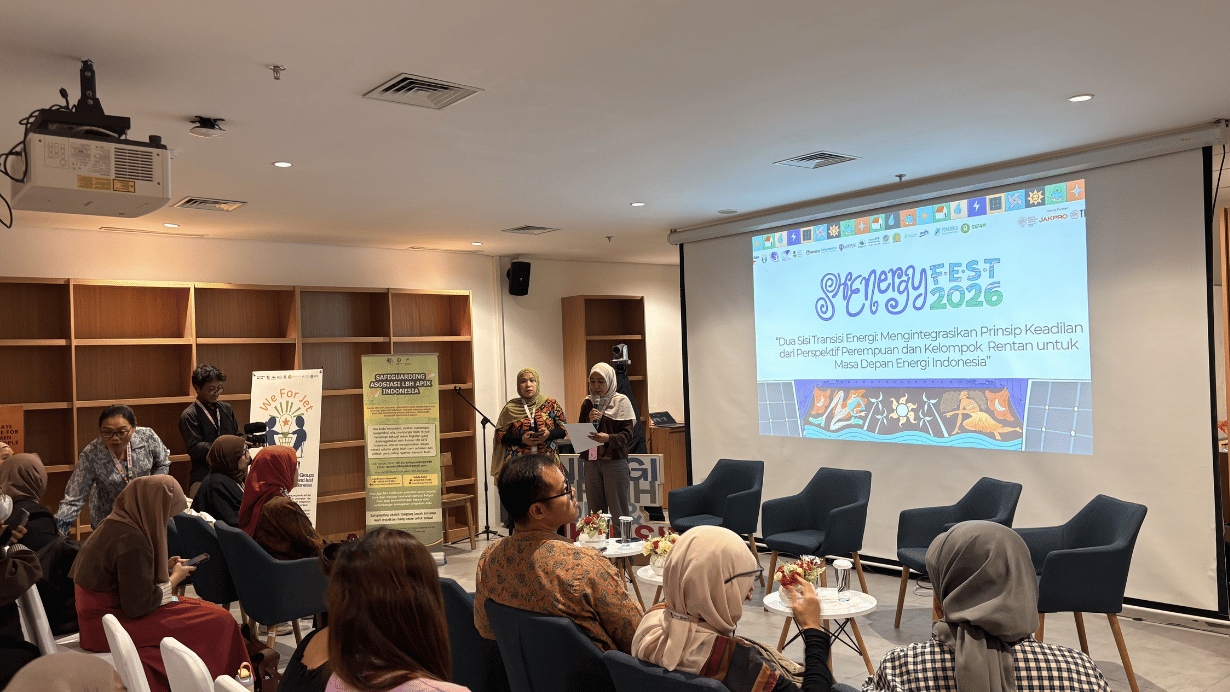
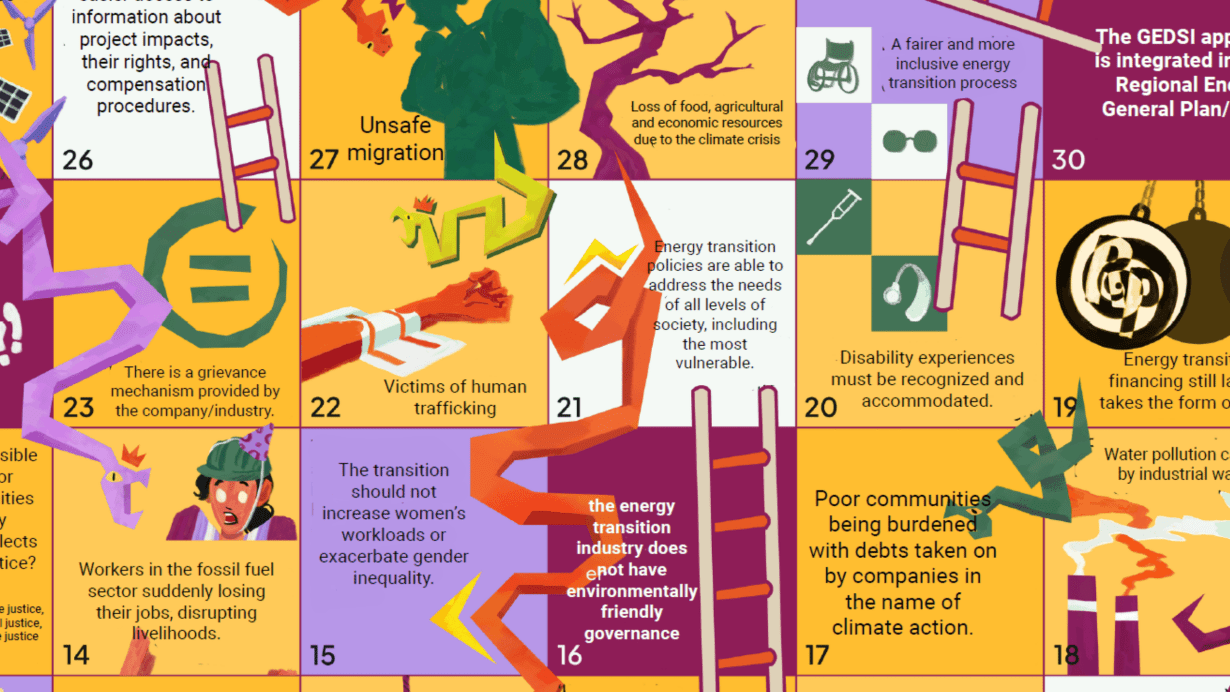
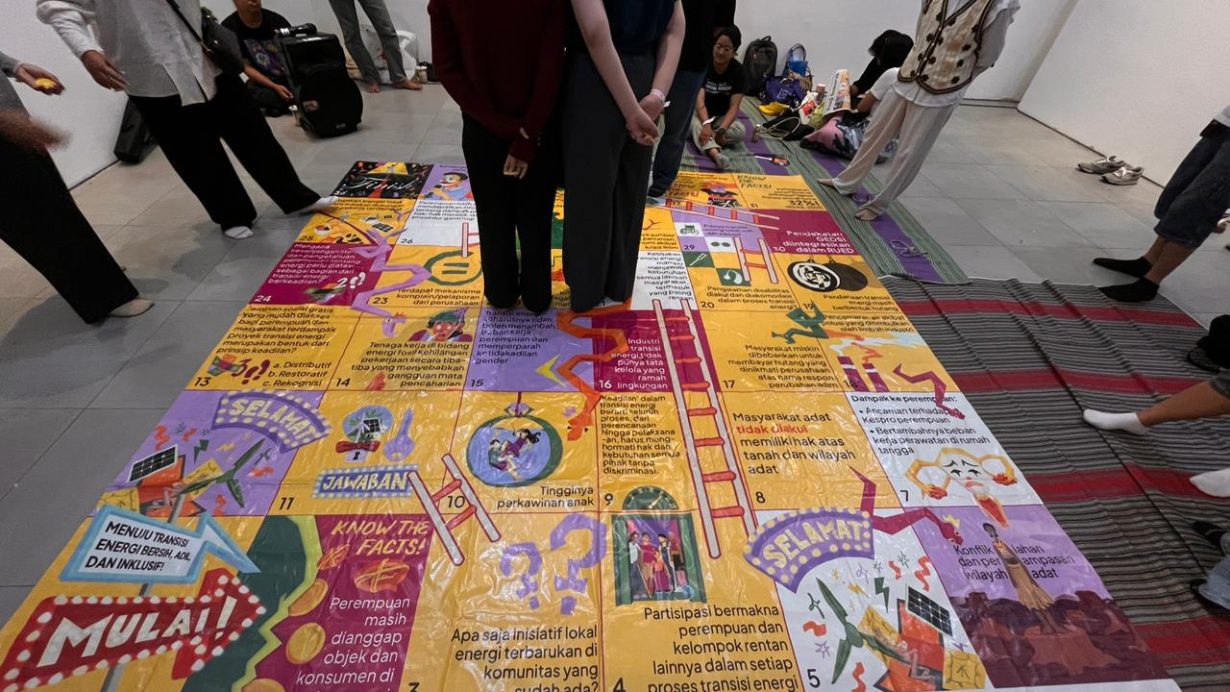
During this period, three main campaign activities were conducted in different formats. These included film screenings and public discussions, game-based educational activities, and online discussions via social media. Offline campaigns reached 71 participants, while digital campaigns engaged hundreds of audiences through online platforms.
These campaigns contributed to a shift in how energy transition is understood. Energy issues began to be seen not only as technical matters, but also as issues of gender and social justice. Discussions reflected a growing awareness of the disproportionate impacts experienced by women and vulnerable groups.
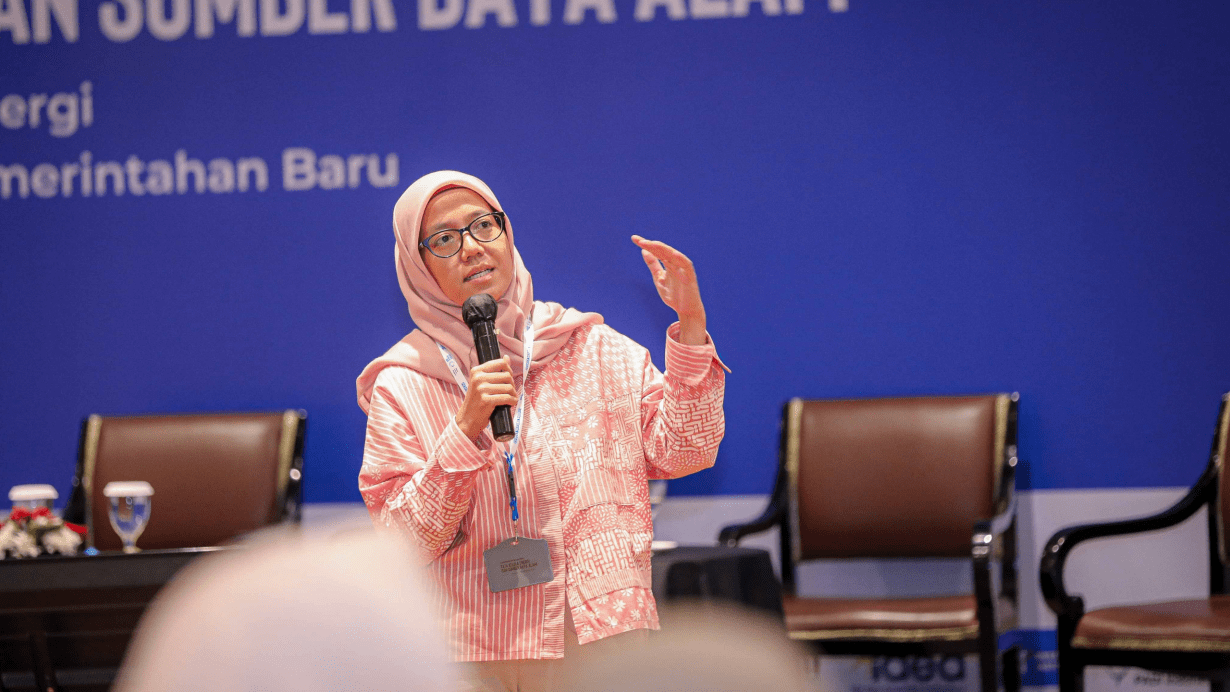
Women from communities increasingly emerged as resource persons, sharing their experiences and practices related to renewable energy. Their presence reinforced the role of women as active actors in the energy transition. At the same time, the campaigns opened new spaces for collaboration among communities, civil society organizations, and disability organizations.
From Learning to Strategy: Strengthening an Inclusive Approach
The implementation of the program also generated important lessons for LBH APIK. One of the key challenges was the limited integration of an intersectional perspective in both narratives and advocacy efforts. Issues raised still need to better reflect the diversity of experiences across different groups.
Time constraints and the complexity of the issue also posed challenges in implementation. Bringing together diverse perspectives within a single discussion space requires more structured approaches. This has become an important consideration for future strategy development.
Challenges also emerged in digital campaigns, particularly in maintaining audience engagement. Online discussion formats have not fully sustained participation over longer periods. This highlights the need for more innovative and interactive campaign methods.
In response, LBH APIK has begun to refine its strategy with a more focused approach. Intersectional issues are now explored more specifically within each activity to allow for deeper engagement. Strategic moments are also being utilized to strengthen the relevance of the issues being addressed.
Collaboration with media, academia, and civil society networks continues to be strengthened. This approach ensures that the narratives being developed are not only grounded in lived experiences, but also supported by data and analysis. Through this strategy, advocacy efforts are expected to achieve broader and more sustainable impact.
Overall, LBH APIK’s experience demonstrates that change in the energy transition does not occur solely through policy or technology. It also happens through how the issue is understood and communicated. By amplifying the voices of women and vulnerable groups, LBH APIK contributes to advancing a more just and inclusive energy transition in Indonesia.