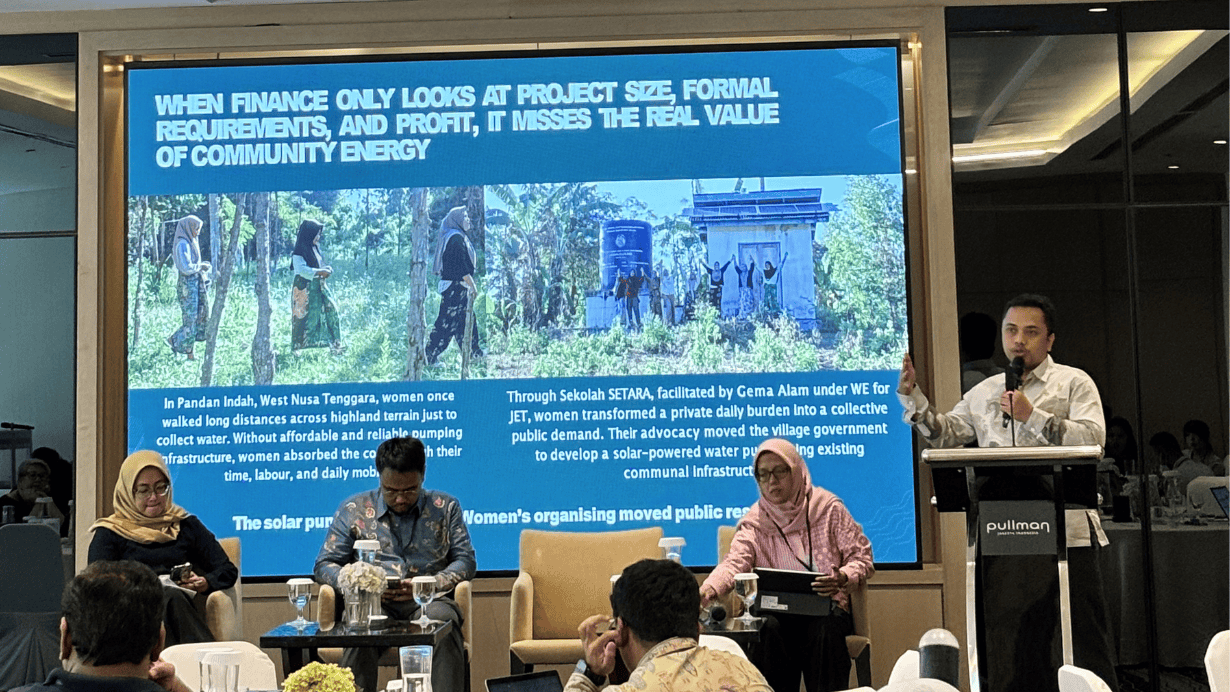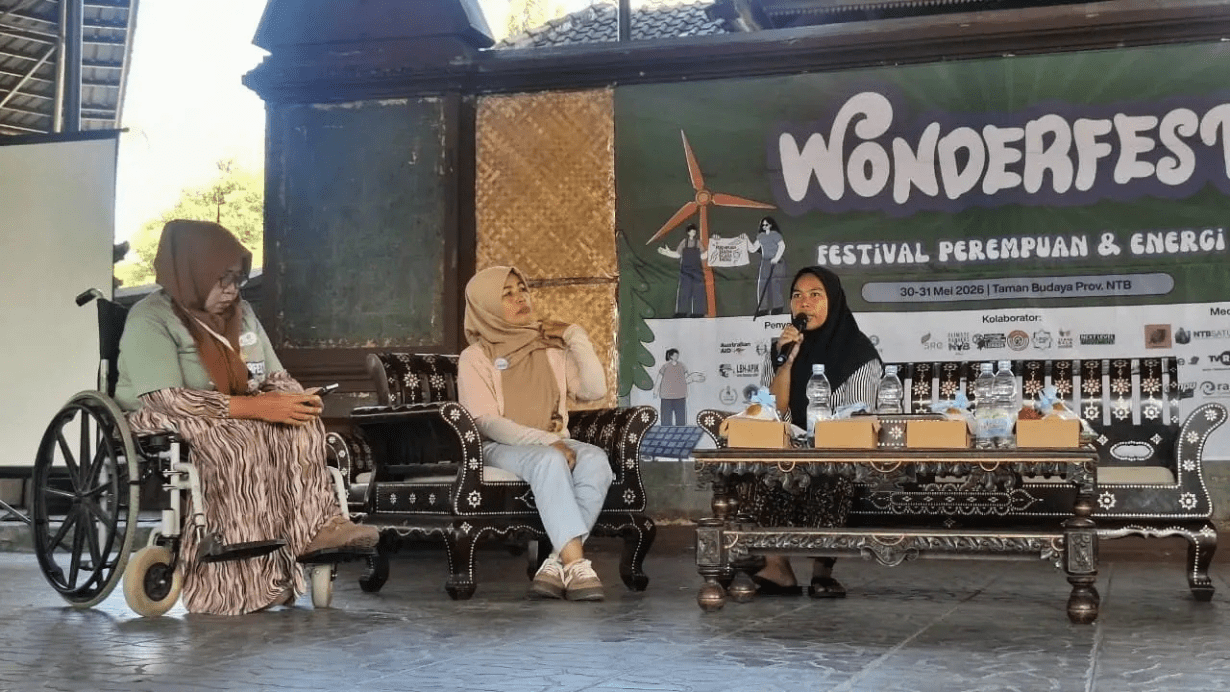


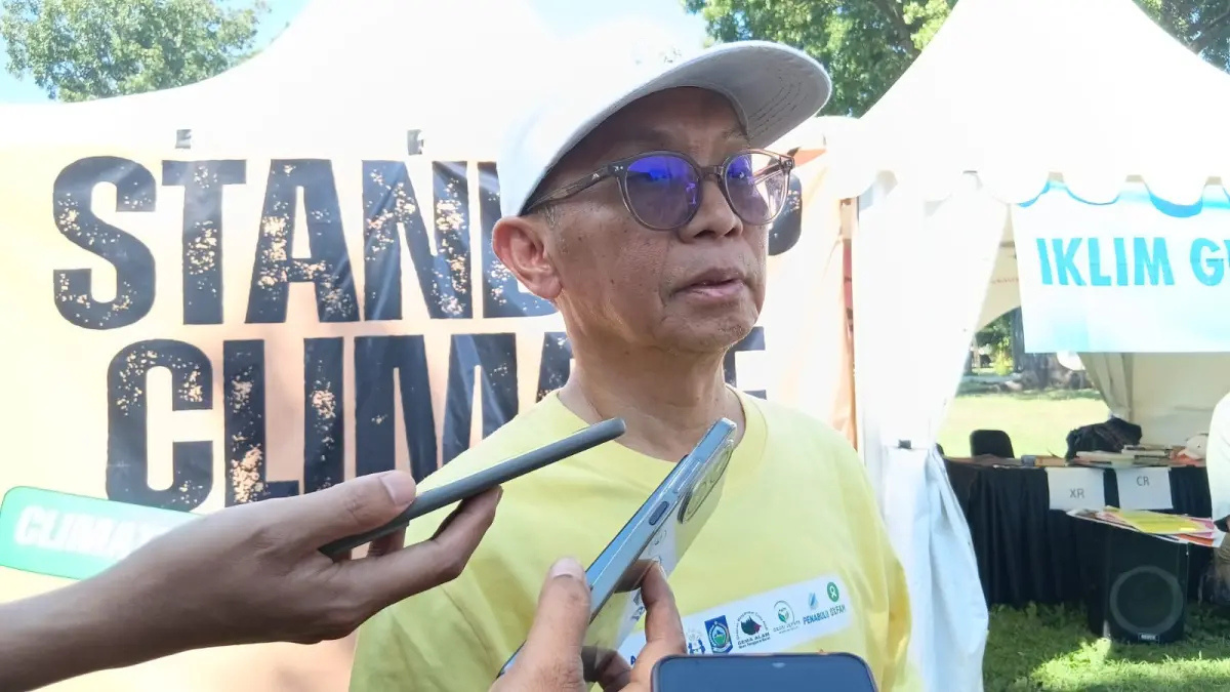

Mataram, West Nusa Tenggara — The Government of West Nusa Tenggara (NTB) has reaffirmed its commitment to advancing women’s leadership in the energy transition. Speaking at the opening of WONDER Fest 2026, NTB Provincial Secretary Abul Chair emphasized that women should not be viewed merely as beneficiaries of development, but as key actors in shaping decisions and driving transformative change.
His remarks were delivered during the opening of WONDER Fest 2026 (Women Lead Energy, Women Dare to Speak for Energy Justice), held at Taman Budaya NTB in Mataram. The festival brought together government representatives, communities, academia, businesses, media, and civil society organizations to strengthen the role of women and marginalized groups in advancing a just and inclusive energy transition.
During his opening address, Abul Chair reflected on a teaching from the Prophet Muhammad that encourages individuals to take responsibility for creating positive change.
“Whoever witnesses a situation that is unjust or in need of improvement has a responsibility to strive to change it according to their ability.”
He noted that this principle applies equally to women and men. In the context of sustainable development and the energy transition, everyone has a role to play in building a more resilient, equitable, and sustainable future.
Women’s Perspectives Are Essential for an Inclusive Transition
Abul Chair also expressed his appreciation for the initiatives showcased at WONDER Fest, particularly the community-led innovations and civil society efforts that promote women’s participation in the energy sector.
He highlighted that women often bring perspectives and approaches that are critical to effective development. Their attention to detail, strong community connections, and understanding of local needs contribute to designing solutions that are more responsive, inclusive, and capable of reaching groups that have traditionally been underserved.
These qualities are particularly valuable in the context of the energy transition. Experiences from communities across NTB demonstrate that women are not only energy users but also managers, decision-makers, entrepreneurs, and innovators who are expanding access to renewable energy while improving household welfare and strengthening local economies.
Strengthening Collaboration for Energy Justice
Abul Chair also emphasized the importance of continued collaboration between government institutions and civil society organizations in advancing NTB’s energy transition agenda.
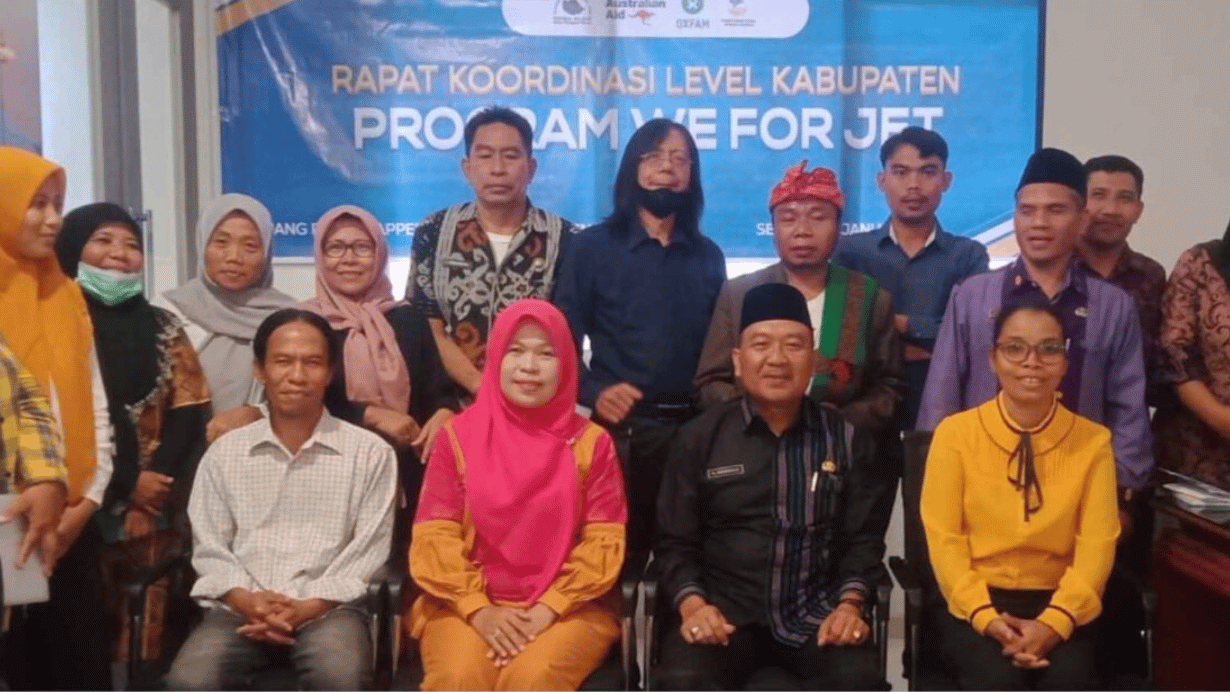
He recognized the strategic role of the GEDSI JET Working Group NTB in bringing community perspectives into policy discussions, identifying challenges on the ground, and ensuring that energy policies respond to the needs of groups whose voices are often overlooked.
The Provincial Government, he added, welcomes constructive input and partnerships that can strengthen regional development while ensuring that the benefits of the energy transition are shared more equitably across society.
From Participation to Leadership
One of the key messages emerging from WONDER Fest 2026 was that a just energy transition requires more than expanding renewable energy technologies. It also depends on creating meaningful opportunities for women, persons with disabilities, Indigenous Peoples, and other marginalized communities to participate in decision-making and influence the direction of change.
When women are empowered to lead, share their knowledge, and contribute to policy and community decisions, the resulting solutions are more inclusive, more effective, and better aligned with local realities.
Through collaboration among government agencies, communities, academia, the private sector, and civil society, West Nusa Tenggara continues to demonstrate that a just energy transition is possible when people are placed at the center of development.
Ultimately, a successful energy transition is not measured solely by cleaner energy systems—it is measured by whether everyone has an equal opportunity to participate in and benefit from a more sustainable future.
This article is adapted and further developed from reporting originally published by Lombok Post