


Mataram, NTB — Energy transition is not only about building renewable energy infrastructure or reducing carbon emissions. More than that, the energy transition must ensure that everyone, especially women, persons with disabilities, Indigenous peoples, and other vulnerable groups, has equal opportunities to participate in and benefit from the shift toward clean energy.
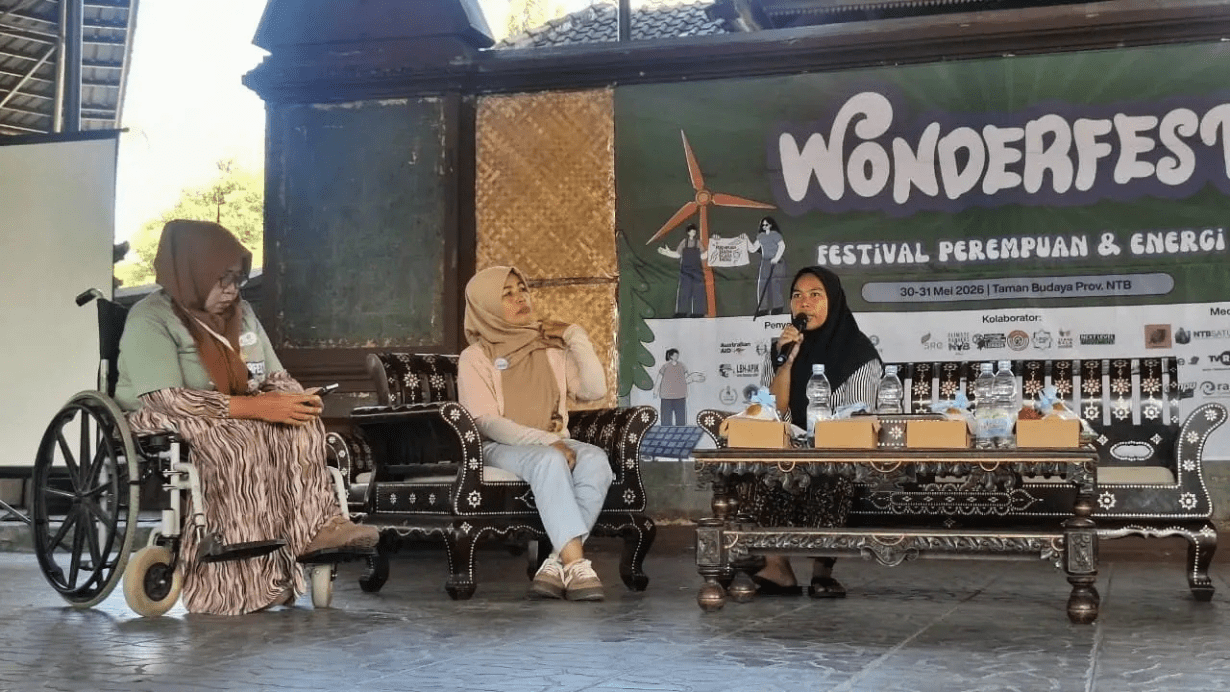
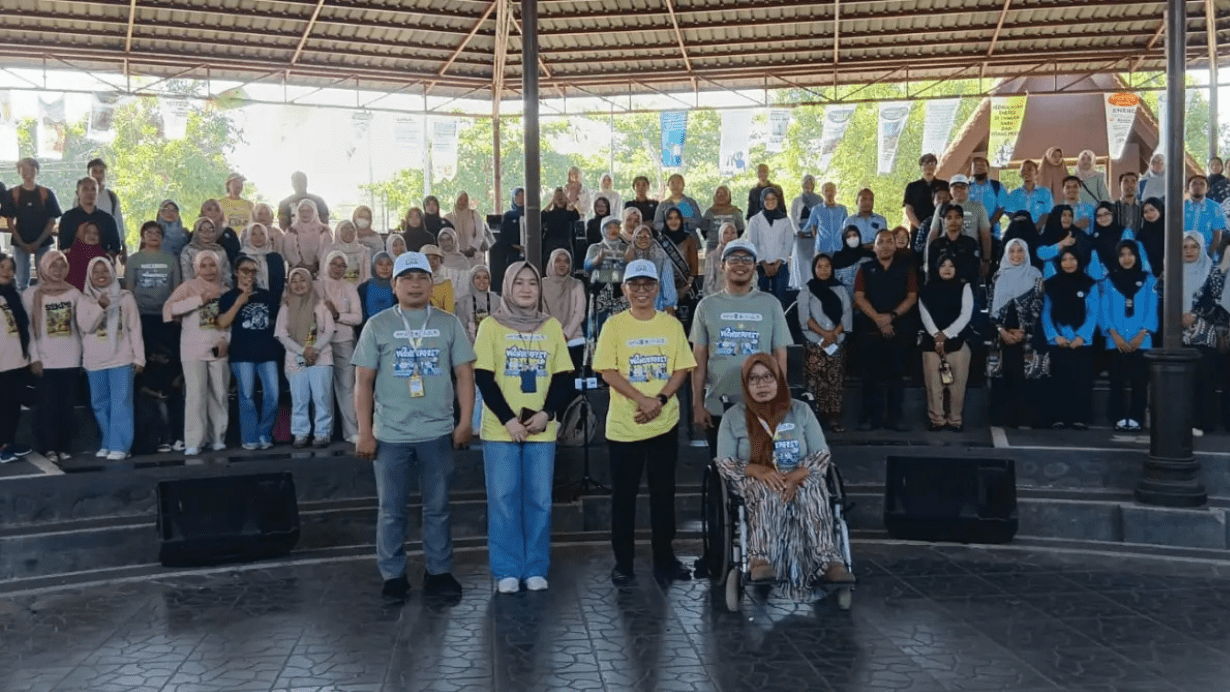
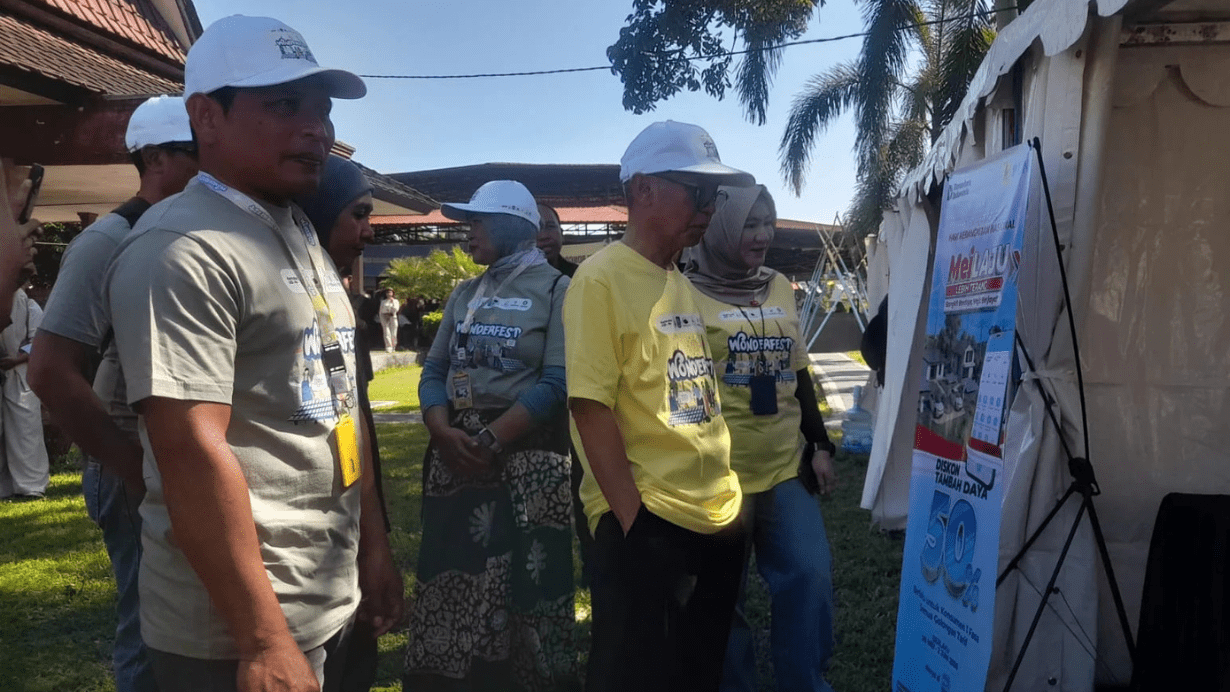
This message served as the common thread throughout WONDER Fest 2026 (Women Lead Energy, Women Dare to Speak for Energy Justice), held at Taman Budaya NTB in Mataram on 30–31 May 2026. The festival brought together government representatives, academics, communities, business actors, media, and civil society organizations to discuss the future of a more inclusive and just energy transition.
In his opening remarks, the Regional Secretary of West Nusa Tenggara Province, Abul Chair, emphasized that women must be positioned as key actors in development, not merely as beneficiaries.
“Women are not only beneficiaries of development, but also drivers of change. We see young people who dare to think about the future of the planet. I also see communities, academics, business actors, and government representatives sitting together to build an NTB that is more advanced, more inclusive, and more just.”
This statement reflects the challenges currently faced by Indonesia. Amid the increasing impacts of climate change, clean energy development cannot focus solely on technology and investment. The energy transition process must also be able to address inequalities in access, participation, and representation that continue to affect various groups in society.
NTB itself has great potential for renewable energy development, from solar energy and biomass to biogas. However, this potential will only deliver optimal benefits if its development process meaningfully involves all groups in society.
From Participation to Leadership
One of the key messages emerging from the festival was the importance of ensuring that women are not only present in discussion spaces, but are also involved in decision-making and in the development of energy solutions at the community level.
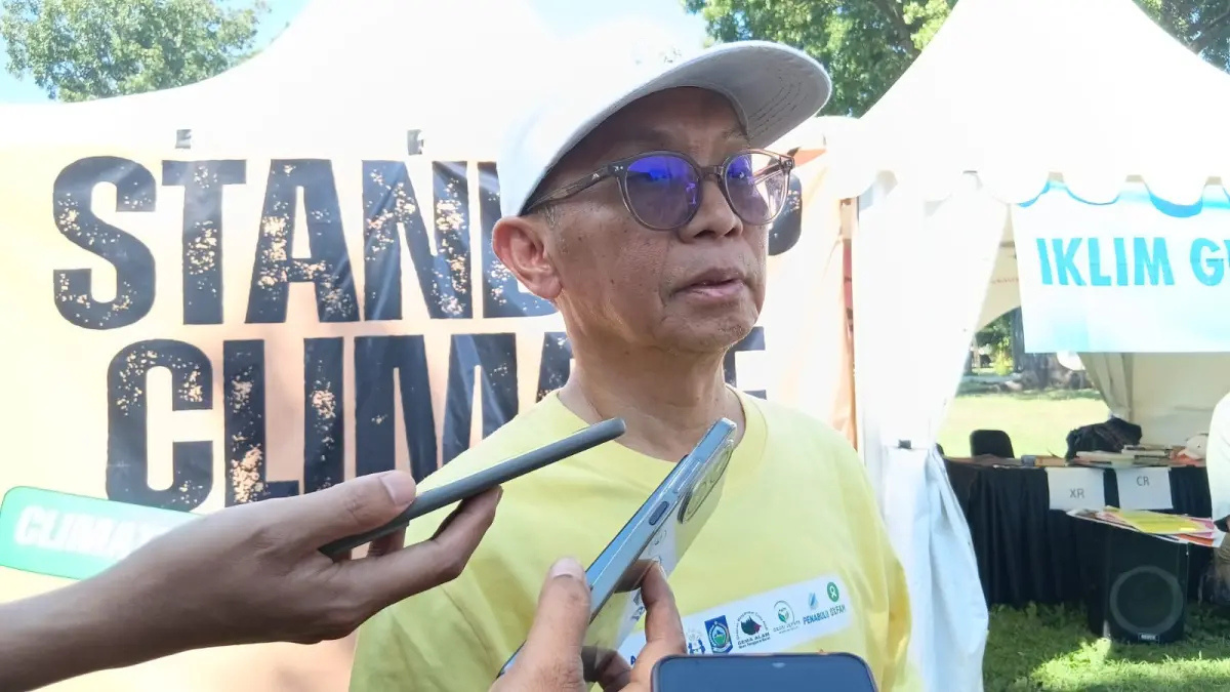
Sardi Winata, Associate Program Director at Yayasan Penabulu, emphasized that women are often among the groups most affected by energy crises and climate change. At the same time, they also hold valuable experience, local knowledge, and significant capacity to become agents of change.
“The success of the energy transition can only be achieved through the full and equal participation of women and other vulnerable groups who have long been underrepresented in the energy sector.”
According to him, women’s involvement must go beyond representation. Women need spaces to identify their own needs, determine energy development priorities, and become part of the renewable energy value chain and economy.
Experiences from various communities show that women play an important role in managing resources, developing clean energy-based enterprises, and encouraging behavioral change at the household and village levels. Unfortunately, these contributions are still often overlooked in energy planning and policy.
A Space for Collaboration toward Energy Justice
Over the course of two days, WONDER Fest featured a range of activities that opened up cross-sectoral dialogue. These included Tutur Puan, a monologue highlighting women’s experiences in the energy transition; BINERGY (Bincang Energi), or Energy Talks; the thematic discussion forum Ngelasah; a renewable energy technology exhibition; film screenings; and cultural performances that raised issues of energy justice.
The festival also served as a platform for communities, civil society organizations, academics, and government representatives to share good practices and strengthen collaboration in promoting more equitable access to clean energy.
Through a pentahelix approach, WONDER Fest demonstrated that a just energy transition requires collective action from various stakeholders. No single actor can work alone to ensure that the benefits of clean energy are felt by all members of society.
Promoting an Energy Transition That Leaves No One Behind
WONDER Fest 2026 was organized through the collaboration of WE FOR JET, Yayasan Penabulu, the GEDSI JET NTB Forum, and various government, community, and civil society partners.
The festival served as a reminder that the success of the energy transition is not measured only by the amount of infrastructure built or the energy capacity generated. True success lies in the extent to which the process can deliver justice, expand participation, and open leadership spaces for those whose voices have long been rarely heard.
Because ultimately, a sustainable energy transition is one that leaves no one behind.
This article was adapted and further developed from a news report published by Global FM Lombok.