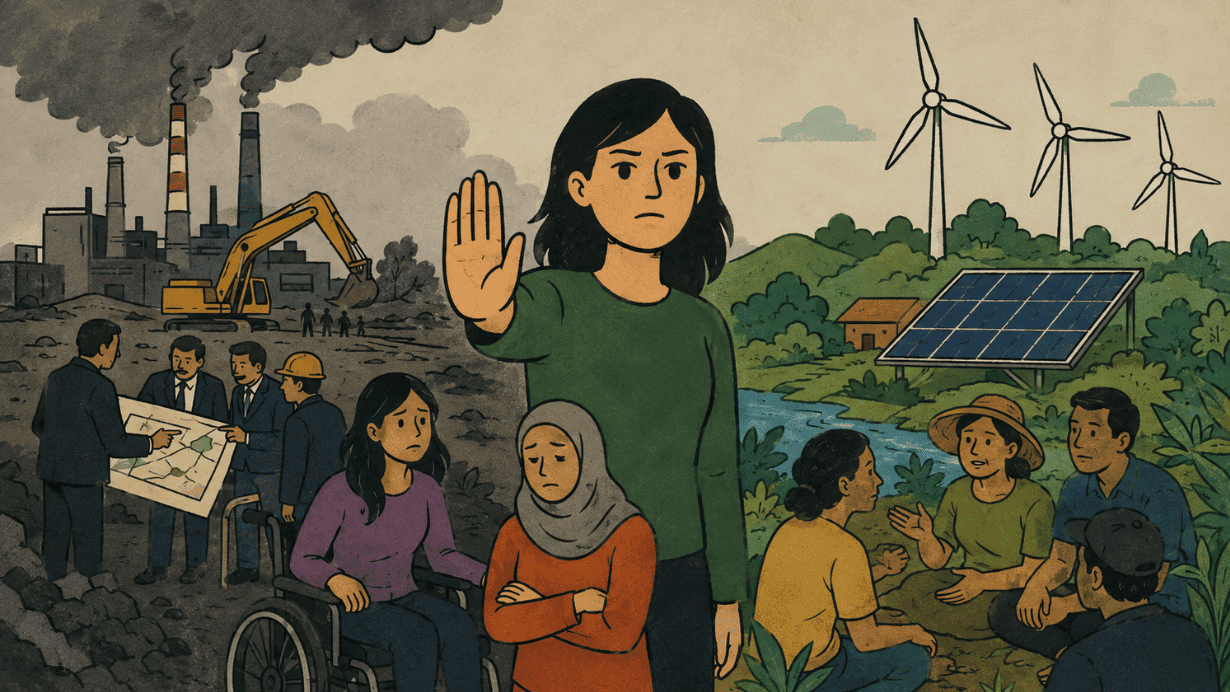



Indonesia’s energy transition cannot be understood only as a shift from fossil fuels to renewable energy. At the community level, the energy transition is also closely connected to women’s workload, access to electricity, household energy use, safe public spaces, local knowledge, and the participation of marginalized groups in decision-making.
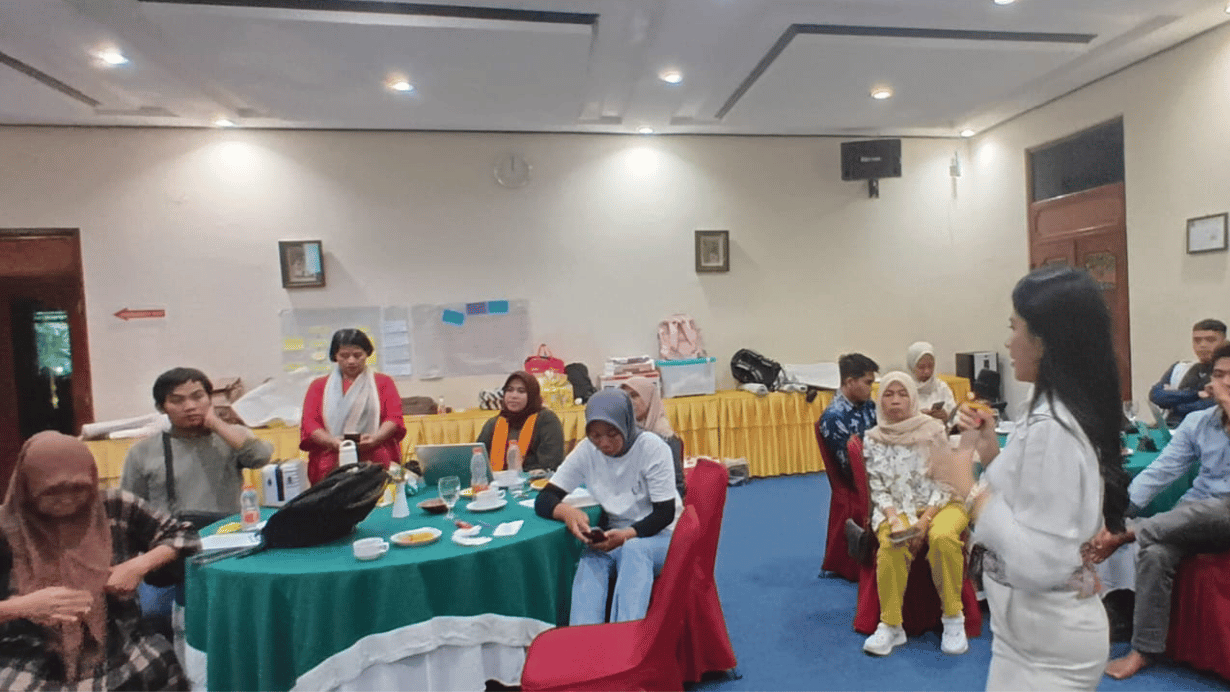
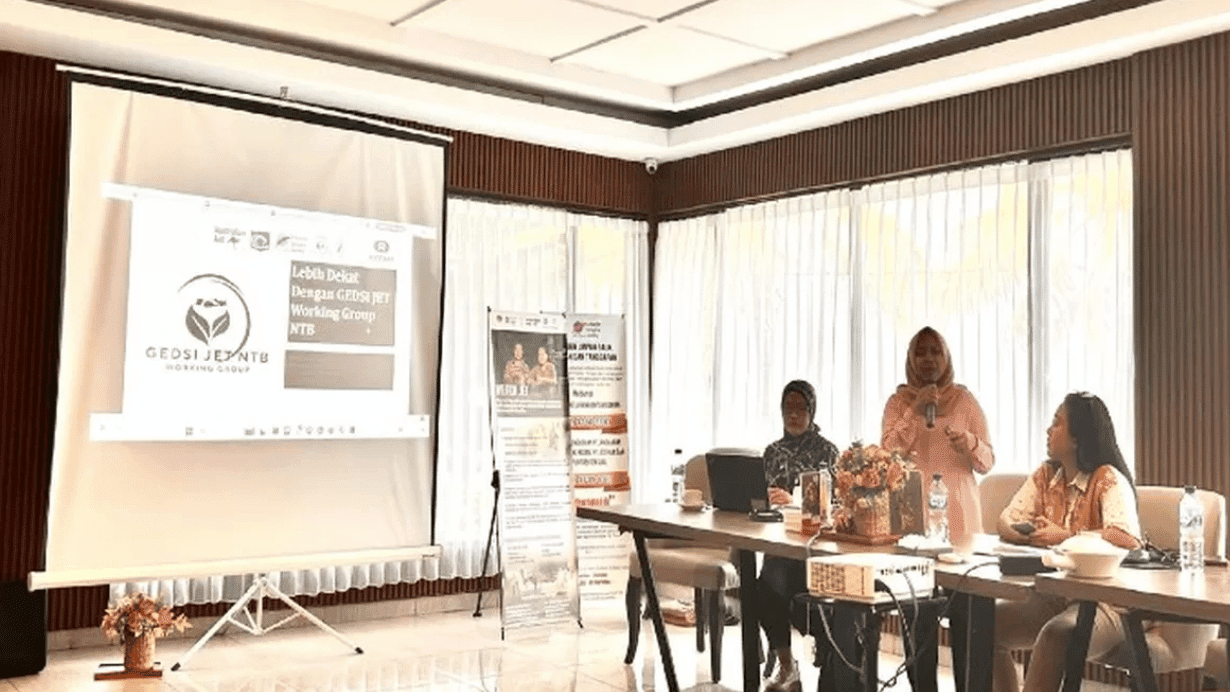
This message emerged strongly during the cross-learning exchange between East Nusa Tenggara and West Nusa Tenggara through the WE for JET Project. The activity brought together CIS Timor NTT, the GEDSI JET Working Group NTB, Yayasan Penabulu, community organizers, and Community-Based Organizations to explore how a just energy transition can be advanced through the lens of Gender Equality, Disability, and Social Inclusion, or GEDSI.
This cross-learning forum became an important space to understand different local contexts, exchange experiences, and strengthen a shared agenda in Eastern Indonesia. NTT and NTB face different energy challenges, but both provinces show one important similarity: the energy transition will only be sustainable if it involves those who are most affected.
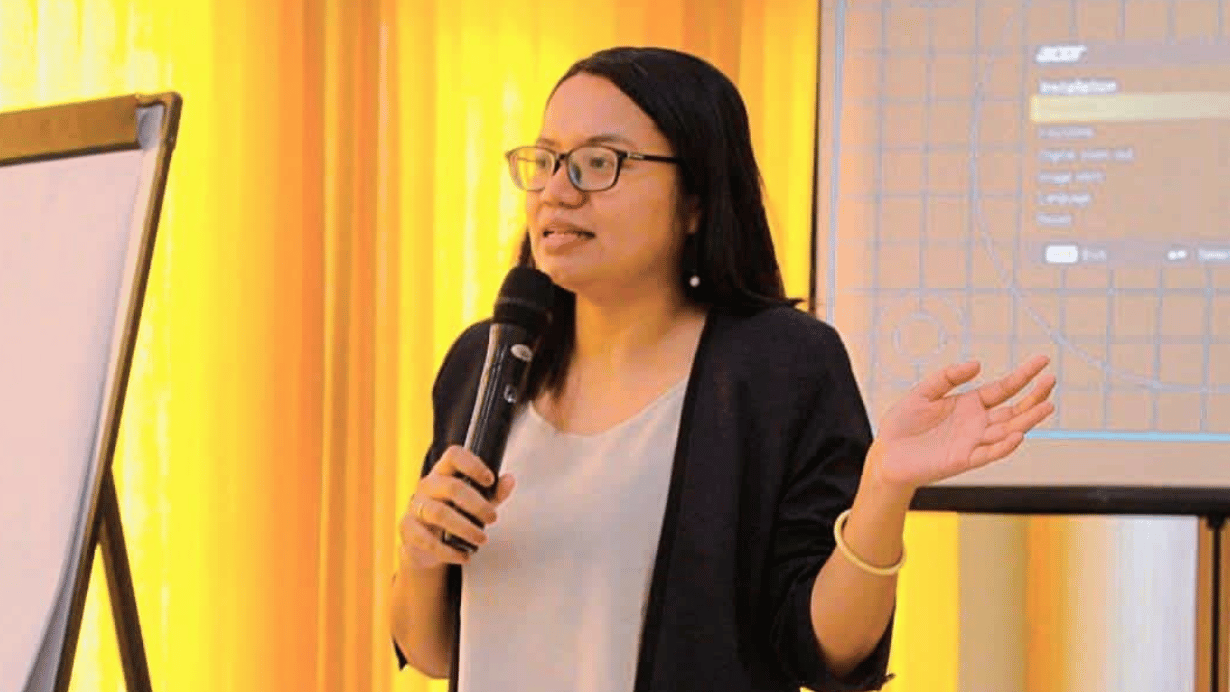
In her presentation, Sherley Wila Huky, Head of Mitigation Analysis and Energy Sector of the NTT Climate Change Working Group, explained that gender inequality remains a serious challenge in the energy sector. Historically, the sector has been largely dominated by men. Women often have more limited access to education, technical skills, and training opportunities related to energy.
Findings from CIS Timor’s Root Cause Analysis also show that women carry a much heavier domestic workload. Women are not only responsible for household work such as cooking, cleaning, caring for livestock, and looking after family members. They also take part in productive work that is often associated with men.
This inequality is clearly reflected in the distribution of time. Women have around seven hours of rest, including sleep, while men have around 13 hours. Meanwhile, women’s productive time reaches 17 hours, compared to around 11 hours for men.
This data shows that discussions on energy transition cannot be separated from unpaid care work, domestic burden, and gender inequality within households.
In terms of energy access, NTT also continues to face significant challenges. Although 87.81 percent of households are connected to PLN electricity, 4.96 percent of households still have no access to electricity. In addition, more than 68 percent of households still use firewood for cooking, while the use of cleaner fuels such as LPG remains very low at 2.35 percent.
Limited energy access has a greater impact on women. When households still depend on firewood, women often spend more time and energy meeting cooking needs. When electricity access is limited, poorly lit public spaces can also increase the risk of gender-based violence. For persons with disabilities, limited access to energy and basic services creates additional barriers to mobility, information, and social participation.
At the same time, Indigenous Peoples in NTT play an important role in building a sustainable energy transition. Their traditional knowledge in managing natural resources and protecting local ecosystems is an important foundation for energy development that is aligned with culture and the environment. Their involvement helps ensure that energy initiatives are not only technically feasible, but also culturally appropriate and beneficial to communities.
In NTT, the household sector has been the largest energy user over the past 10 years. This makes gender participation in the household sector highly relevant to the energy transition process. Women and families can become key drivers in optimizing the use of clean energy, adopting energy-saving lifestyles, and advocating for renewable energy use in everyday life.
From NTB, Baiq Dewi Anjani, Chair of the GEDSI JET Working Group NTB, explained that the group was established to strengthen gender equality, disability inclusion, and social inclusion in a just energy transition. This approach ensures that the shift from fossil-based energy to renewable energy does not focus only on technical targets, but also involves marginalized groups such as women, persons with disabilities, and communities that have often been excluded.
The goal is clear: to ensure that the energy transition is fair, leaves no one behind, and provides equitable benefits for all groups in society.
The vision of the GEDSI JET Working Group NTB is to realize a just and sustainable energy transition by ensuring the participation of women, persons with disabilities, and other marginalized groups in inclusive development processes. This vision is translated into several missions, including increasing public awareness, actively involving marginalized groups in energy policy, building a multi-stakeholder movement, and mainstreaming GEDSI in the energy transition at different levels.
The GEDSI JET Working Group NTB also emphasizes the importance of disaggregated data based on gender, disability, and other forms of vulnerability. Such data is essential so that energy policies and programs are not built on assumptions, but on the real needs of communities. The working group also highlights the importance of rights protection, participation, transparency, accountability, and business practices that are socially and environmentally responsible.
The cross-learning exchange between NTT and NTB shows that a just energy transition requires more than projects and technology. It requires shared learning spaces, exchange of experiences, and knowledge production rooted in community realities.
Through this forum, the NTT Climate Change Working Group and the GEDSI JET Working Group NTB are expected to continue building sustained collaboration, including the development of knowledge products on the energy transition using a GEDSI approach. This knowledge can become an important reference for energy development processes, particularly in Eastern Indonesia.
From NTT and NTB, we learn that a just energy transition must begin with everyday realities. From households that still depend on firewood. From women who carry layered workloads. From persons with disabilities who face barriers to access. From Indigenous Peoples who protect local ecosystems. From communities that want to participate, but are often not given equal space.
A truly just energy transition is not only about changing energy sources. It is about changing how development is carried out: making it more inclusive, more participatory, more responsive to inequality, and more aligned with the needs of those who are most vulnerable to its impacts.
This article is adapted from “Pembelajaran Silang NTT-NTB Dalam Potret Transisi Energi Berkeadilan GEDSI,” published by NTTHits. Read the full article here: https://www.ntthits.com/humaniora/57716267109/pembelajaran-silang-ntt-ntb-dalam-potret-transisi-energi-berkeadilan-gedsi