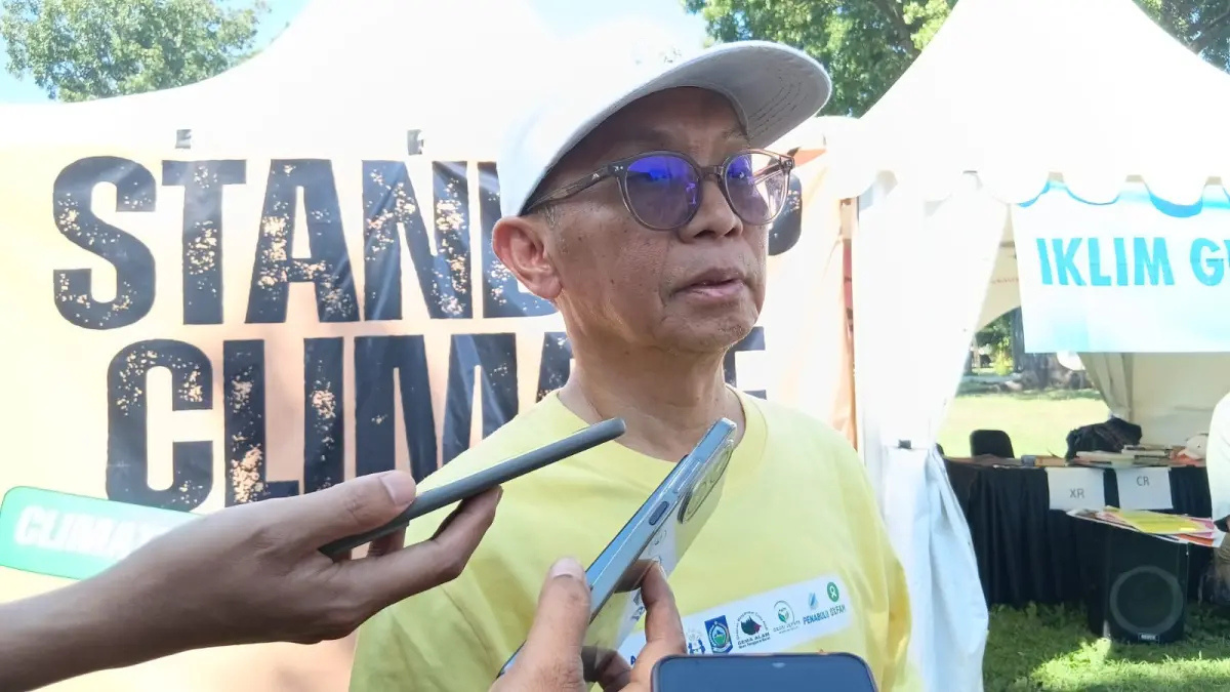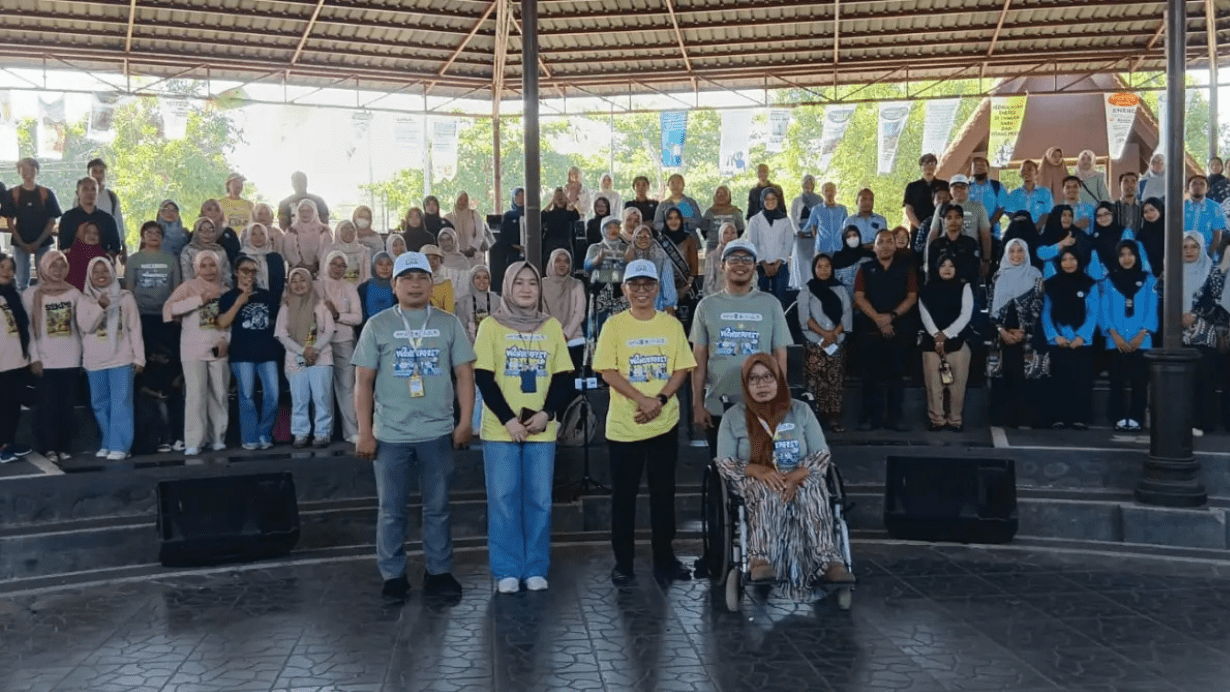


Jakarta, 24 May 2026 — Development can no longer move only from the top down. Amid Indonesia’s energy transition and national development agenda, the voices of grassroots women must be included in policymaking processes so that solutions truly respond to the needs of communities on the ground.
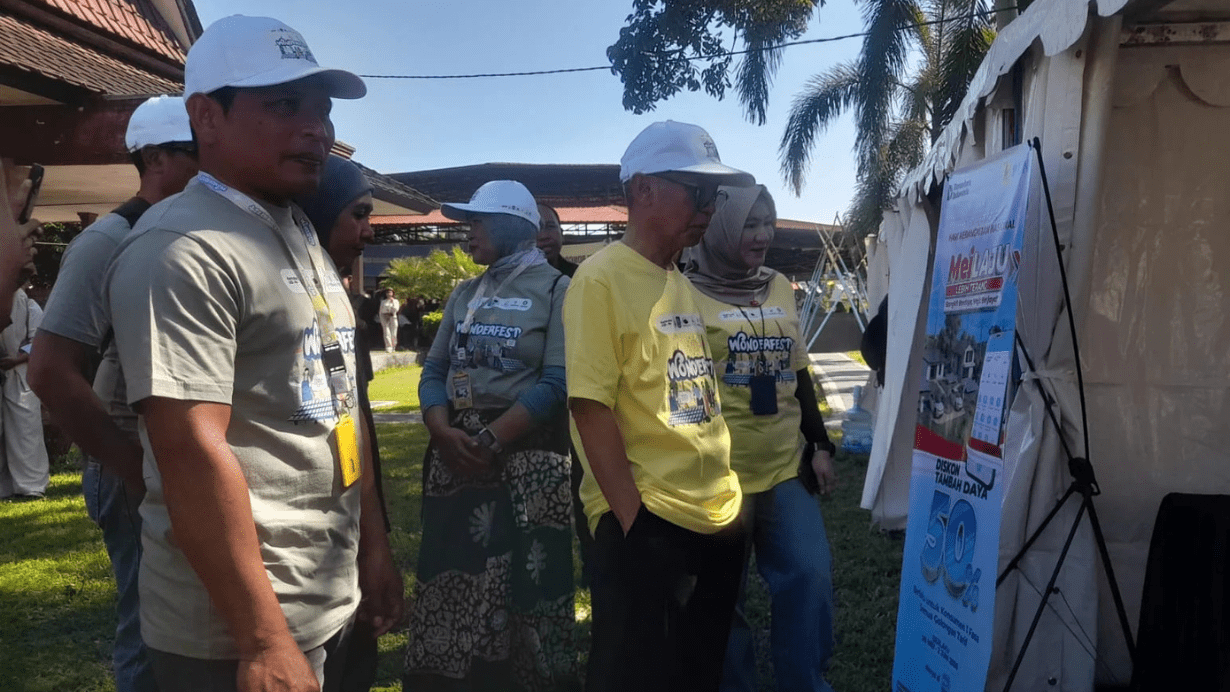
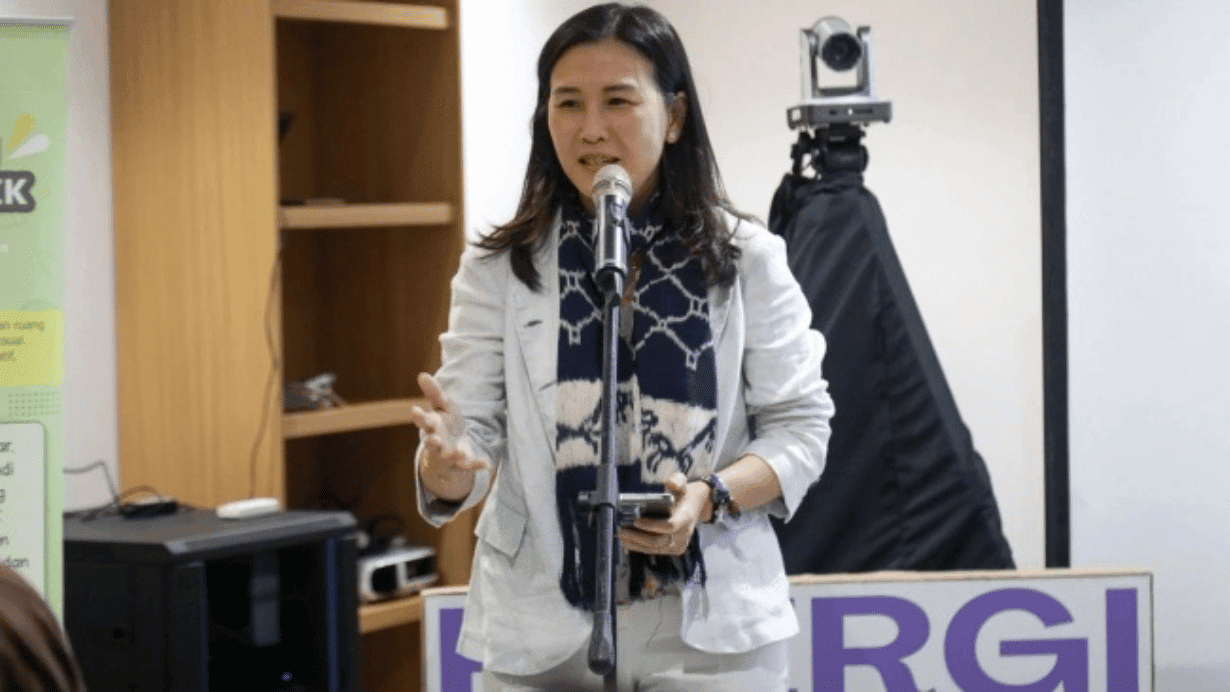
This message emerged during SHEnergy Fest 2026, held in Jakarta on Saturday, 23 May 2026. The event brought together women’s communities, civil society organizations, academics, and other stakeholders to strengthen gender perspectives in a just and inclusive energy transition.
Indonesia’s Deputy Minister for Women’s Empowerment and Child Protection, Veronica Tan, welcomed the findings, aspirations, and good practices shared by women’s communities from different regions across the country. She encouraged the discussions to be developed into policy briefs that can be followed up within national policymaking processes.
“We really need policy briefs from each community so that we can follow them up at the ministerial level and turn them into solutions,” Veronica Tan said.
According to Veronica, today’s development approach needs to better connect government facilitation with the realities faced by communities in the regions. This would ensure that policies are not built only on assumptions at the national level, but also on the lived experiences of groups directly affected by development decisions.
From Community Aspirations to National Policy
Veronica emphasized that the government needs real input from grassroots communities to produce more targeted policies. For this reason, good practices led by women’s communities need to be documented and translated into policy recommendations.
One example raised during the discussion was the role of women in East Nusa Tenggara in managing social forestry areas. Through this approach, women are not positioned only as beneficiaries, but also as agents of change in strengthening local economies and community food security.
“Women are given the opportunity to become agents of change,” Veronica said.
She also underlined the importance of building a gender perspective across all ministries and government institutions. The main challenge, she noted, is not only the availability of programs, but whether development programs are implemented in ways that are gender-responsive and directly benefit women, children, and vulnerable groups.
Making Gender-Based Independent Villages a Reality
Veronica also highlighted the need to ensure that the concept of gender-based independent villages does not remain only an idea. It must be translated into real practice within communities, including in the areas of energy, the economy, food security, and protection for vulnerable groups.
“We want to encourage gender-based independent villages to be truly realized. So it is not only a concept, but becomes a reality in society,” she said.
The Ministry of Women’s Empowerment and Child Protection also expressed its openness to collaborate with various stakeholders, including communities, academics, and civil society organizations. Such collaboration is essential to ensure that the energy transition does not only pursue technical targets, but also delivers social justice for groups that have long been underrepresented in decision-making processes.
Energy Transition Must Include Women’s Perspectives
Khotimun Sutanti, Executive Director of LBH APIK Indonesia, said SHEnergy Fest 2026 serves as an important space to strengthen women’s perspectives in Indonesia’s energy transition agenda. Energy, she noted, cannot be separated from the daily lives of women and vulnerable groups.
Energy is not only about infrastructure, technology, or investment. At the community level, it is closely linked to domestic work, household economies, access to basic services, food security, and people’s quality of life. This is why grassroots women’s voices must be included in the national energy transition narrative and policy agenda.
“The discussions from SHEnergy Fest 2026 will be formulated into recommendations and a policy paper to be submitted to the government,” Khotimun said.
Through SHEnergy Fest 2026, the experiences of women’s communities are expected to strengthen policy advocacy for a more inclusive energy transition. The festival sent a clear message: just development must begin by listening to those closest to the issues, grassroots communities.
Adapted from the Suara.com article titled “Setop Pembangunan Top-Down! Saatnya Suara Perempuan Akar Rumput Masuk Kebijakan Nasional”, published on 24 May 2026. https://www.suara.com/news/2026/05/24/130304/setop-pembangunan-top-down-saatnya-suara-perempuan-akar-rumput-masuk-kebijakan-nasional