

Jakarta, 23 May 2026 — The energy transition cannot be discussed only through technology, investment, and macro-level policy. Behind the broader agenda toward clean energy, there is an urgent need to ensure that vulnerable groups, including women with disabilities, are not left behind.
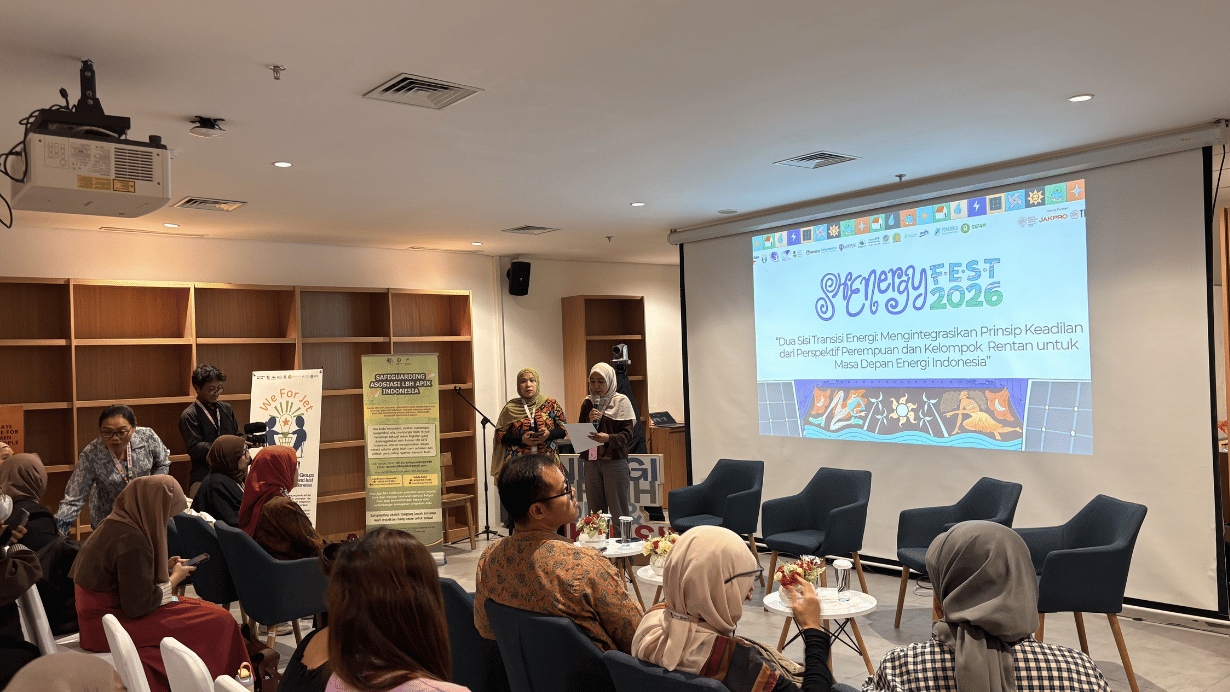
This message was highlighted at SHEnergy Fest 2026, a collaborative platform that brought together civil society organizations, activists, academics, and women’s communities to strengthen Gender Equality, Disability, and Social Inclusion (GEDSI) perspectives in Indonesia’s climate and energy transition agenda.
As part of the festival, the Inclusive Energy Transition Workshop was held on Saturday, 23 May 2026, at the Rukiah Kertapati Literature and Multimedia Room, Trisno Soemardjo Building, Taman Ismail Marzuki, Jakarta. The session created a shared learning space to explore why the energy transition must be designed in a fair, inclusive, and people-centered way, especially for groups that are often excluded from decision-making processes.
Energy Transition Is Social Transformation
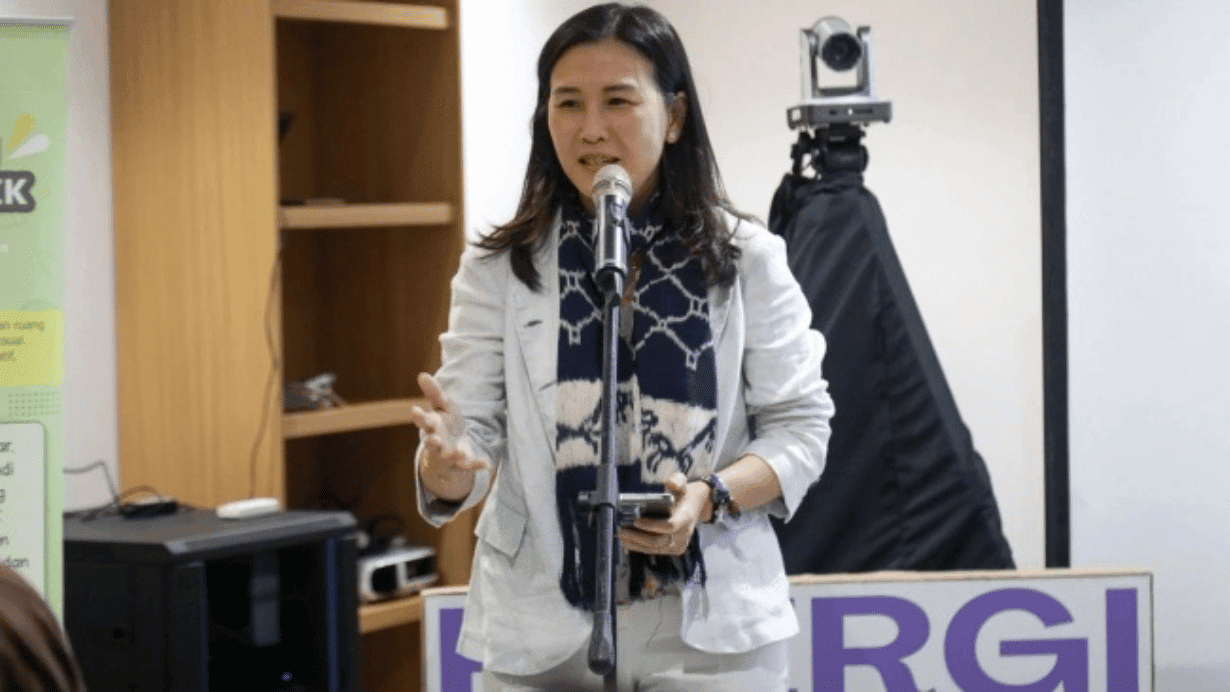
Rina Prasaran, Deputy Chair II of the Indonesian Women with Disabilities Association (HWDI) for Advocacy and Awareness Raising, emphasized that the energy transition should not be understood merely as a shift in technology or infrastructure. It is also about transforming ways of living, ways of thinking, and social systems that shape people’s everyday lives.
Rina highlighted the layered challenges faced by women with disabilities in relation to energy access. Some persons with disabilities rely on a stable electricity supply for medical assistive devices, therapy, or other essential needs. At the same time, access to clean-energy-based public transportation remains not fully disability-friendly.
For this reason, HWDI called for energy transition policies to uphold four principles of justice. The first is distributive justice, meaning that the benefits and burdens of the energy transition must be shared fairly. The second is procedural justice, which requires the active involvement of women with disabilities in decision-making processes. The third is recognition justice, which acknowledges the specific needs, lived experiences, and capacities of persons with disabilities. The fourth is remedial justice, which ensures protection and recovery for groups affected by changes in the energy system.
Expanding Access to Information Through Sign Language
Beyond policy discussions, the workshop also put inclusivity into practice. One of the barriers faced by persons with disabilities in engaging with energy transition issues is the limited availability of accessible information.
To respond to this challenge, the workshop continued with an interactive Indonesian Sign Language (Bisindo) session led by Nissi Felicia from Feminis Themis. Participants learned vocabulary related to energy, equality, and law.
The session demonstrated that inclusivity is not only a principle to be written into policy documents. It must also be reflected in how people communicate, discuss, and build collective movements.
Through the combination of policy advocacy and accessible communication, the Inclusive Energy Transition Workshop at SHEnergy Fest 2026 delivered a clear message: the energy transition can only be considered just when all groups, including women with disabilities, are able to participate, be heard, and benefit equally.
Adapted from the RRI.co.id article titled “SHEnergy Fest, Suarakan Hak Perempuan Disabilitas Melalui Perspektif Inklusif”, available at:
https://rri.co.id/jakarta/nasional/2436825/shenergy-fest-suarakan-hak-perempuan-disabilitas-melalui-perspektif-inklusif?nocache=true