


Clean energy transition is not only about technology. In East Flores, it is also about social justice, community resilience, and women’s leadership.
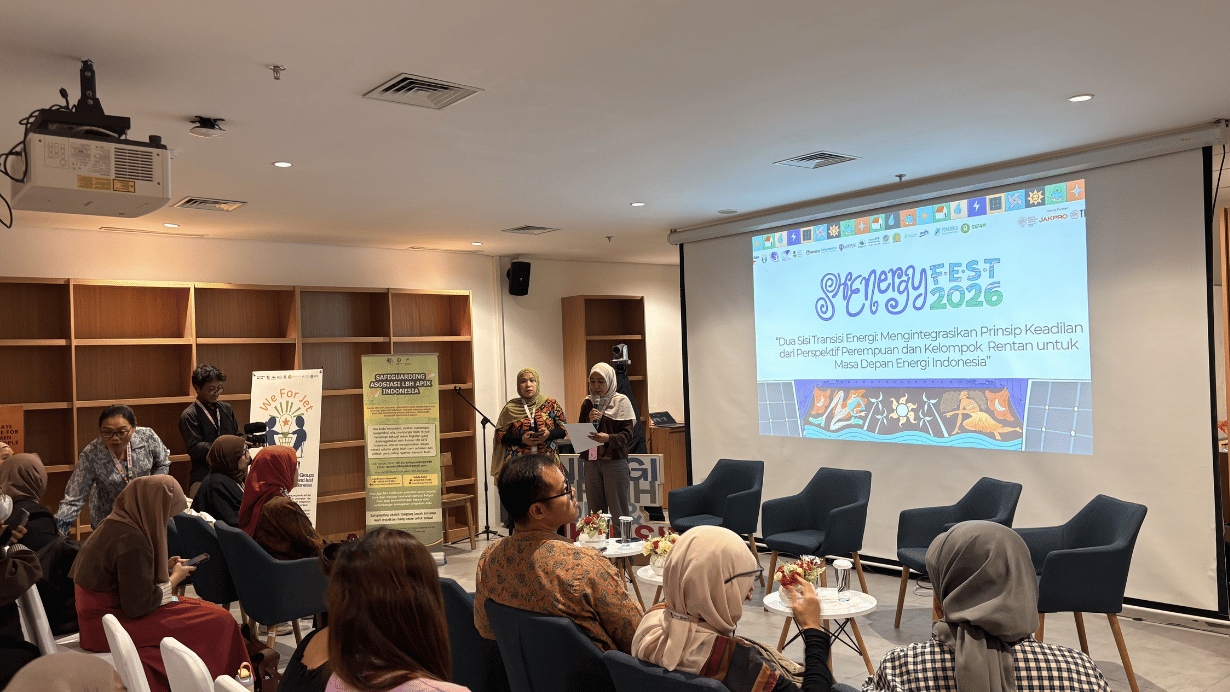
This message was at the heart of an open discussion titled “From Sunlight to the Kitchen: Clean Energy, Resilient Women, Growing Economies”, held at Felix Fernandez City Park in Larantuka, East Flores Regency, on Monday, 30 June 2025.
The event was part of WE FOR JET (Women and Vulnerable Groups Leading a Transformative and Just Energy Transition), now in its third year of implementation. In East Flores, the programme supports 12 communities across six villages in developing Solar Energy Houses (Rumah Energi Matahari/REM) and a coconut-based circular economy, with women at the forefront of change.
Adrianus Benga Ama Lamabelawa, S.H., Assistant Regional Secretary for Economy and Development, officially opened the event on behalf of the Regent of East Flores, Ir. Antonius Doni Dihen. In his remarks, Adrianus underlined the need to advance renewable energy solutions amid a growing fossil fuel crisis that continues to affect economic, social, and environmental stability.
“In facing this challenge and learning from the steps taken by YPPS, we can see that renewable energy is neither expensive nor complicated. Communities, including women, are able to manage it independently,” Adrianus said.
According to Adrianus, East Flores has significant potential as a tropical region to expand the use of solar energy. This potential is not only important for meeting energy needs, but also for improving community welfare.
He also noted that WE FOR JET should be expanded further, as the programme connects clean energy use with household economic growth and improved energy literacy. The discussion was expected to serve as a space for local women to share their knowledge and lived experiences as direct actors in community-based clean energy initiatives.
YPPS Director Melky Koli Baran emphasized that the Solar Energy House is more than a tool. It represents transformation: from dependence to self-reliance, from sunlight to productive energy, and from passive participation to women’s leadership.
“We see women not only as beneficiaries, but as key drivers of change,” Melky said.
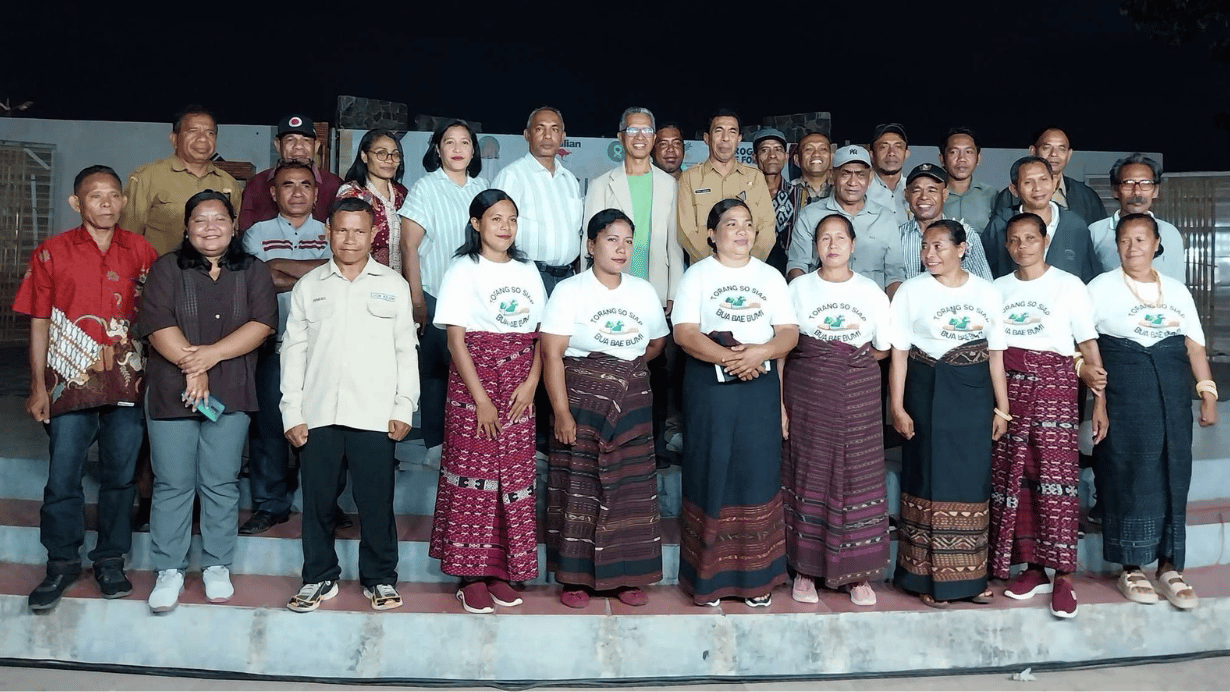
The discussion was also attended by the Secretary of the Agriculture and Food Security Agency, Apolinardus Yosef Lia Demoor, STP., MM., village heads from YPPS-supported areas, and local community leaders.
Through this event, clean energy was reaffirmed as an entry point for building more inclusive social change. From the kitchen, women are managing energy, strengthening household economies, and bringing real experiences that can inform fairer development policies.
This article is adapted from RRI’s report, “Energi Bersih Dorong Kemandirian Perempuan Flores Timur.” https://rri.co.id/ende/regional/1677558/faq.html