

Pene Utara Village, nestled in the highlands of South Central Timor (TTS), East Nusa Tenggara, has long been shaped by strong patriarchal traditions. For generations, women were expected to remain in the background—rarely participating in public decision-making and seldom recognized as leaders within their communities.
Today, that reality is changing.
One of the women leading this transformation is Yosna Taek. Riding her motorcycle along the steep, damaged roads that connect the villages of Pene Utara, she heads to a gathering of Sekoper—the local Women’s School established to strengthen women’s leadership and participation.
Yosna is one of the group’s key leaders. Beyond her role in Sekoper, she serves in several community organizations and has become an influential voice in village affairs and church leadership.
On this particular afternoon, the women were preparing for the annual harvest thanksgiving celebration organized by the Evangelical Christian Church in Timor (GMIT), one of the most important community events of the year.
During the celebration, every household brings offerings of corn, rice, root crops, and livestock to be blessed in church as an expression of gratitude for the harvest.
Traditionally, men managed the logistics of collecting and transporting these offerings. This year, however, the women volunteered to coordinate the entire process—from collecting offerings within each neighbourhood to organizing their delivery to the church.
With a smile, Yosna explained why.
“When the men gather, they often end up sitting together drinking sopi first. Once that happens, everything runs late. We simply wanted to make sure the event stayed on schedule.”
Her remark was delivered humorously, not to diminish the men, but to illustrate that women are equally capable of taking responsibility for community leadership.
Today, Yosna’s opinions carry weight—not only among women, but also within the church leadership. She currently serves as the church treasurer, becoming the first woman in the congregation’s history to hold the position.
When Women’s Voices Were Compared to Birds
The conversation soon turned to how different life had been only a few years earlier.
For decades, women in Pene Utara were discouraged from speaking during village meetings or church assemblies. Raising a hand to express an opinion was often met with dismissal.
Yosna recalled one particularly painful memory.
“When a woman raised her hand during a church meeting, she wasn’t given the chance to speak. One church leader said, ‘Hibife han kolo, hikamuif hak he mi molok.’“
In the local Dawan language, han kolo literally means “the sound of birds.”
The phrase implied that women’s voices were like birdsong—something pleasant perhaps, but ultimately insignificant and not worth listening to.
It reflected a deeply rooted social norm that excluded women from public dialogue and reinforced male dominance in both community and church leadership.
Changing Mindsets Through Community Empowerment
Gradually, this began to change.
Community empowerment initiatives introduced by several civil society organizations encouraged greater awareness of gender equality and women’s participation. Among them, the Circle of Imagine Society (CIS) Timor, through the WE FOR JET programme, has worked closely with women’s groups, village governments, traditional leaders, and churches to strengthen gender equality, disability inclusion, and social inclusion (GEDSI).
According to Haris A. C. H. Oematan, Director of CIS Timor, Pene Utara remains one of the villages where patriarchal traditions are deeply embedded.
“Men continue to dominate decision-making within families, communities, and local government,” he explained. “Women are often expected to focus solely on domestic responsibilities.”
Since 2024, CIS Timor has facilitated community dialogues, leadership training, and GEDSI awareness sessions involving both women and men, as well as religious leaders, customary leaders, and village officials.
“Our goal is to encourage behavioural change. We want to strengthen women’s participation and leadership in families, communities, and local governance while also supporting women’s economic independence.” Haris said.
The results are already becoming visible.
Women are increasingly participating in family decisions, community meetings, and village discussions. Household responsibilities are becoming more balanced, giving women greater opportunities to participate in economic activities.
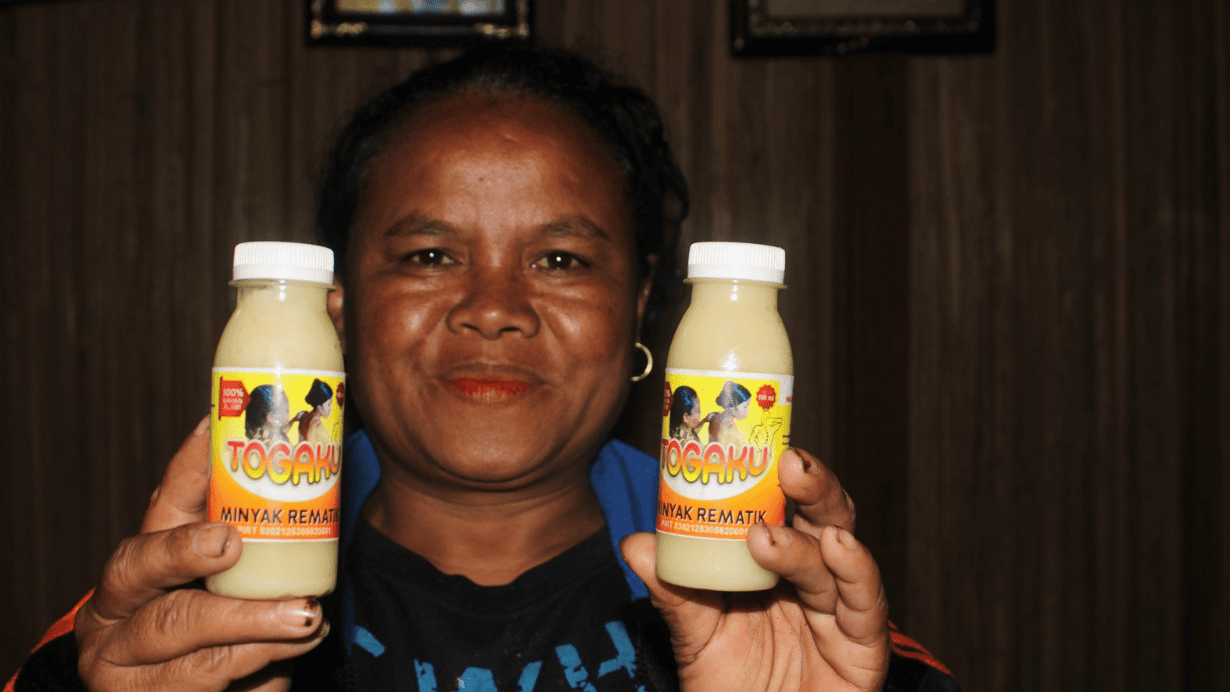
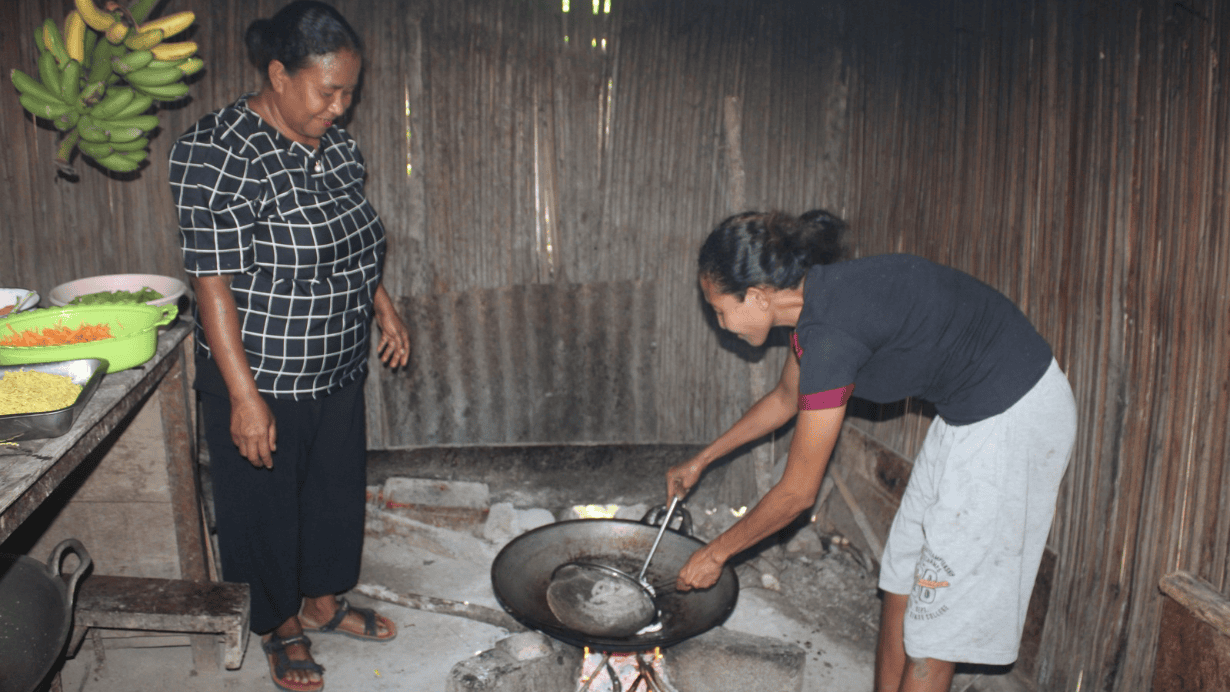
Women’s groups have also begun producing banana and cassava chips, generating additional income by selling their products as far as Kupang City.
Redefining Shared Responsibilities
The transformation extends beyond economic opportunities.
CIS Timor is supporting the development of a village regulation that promotes GEDSI principles, including encouraging husbands and wives to share caregiving responsibilities.
One practical example is encouraging fathers to accompany their children to monthly health posts (Posyandu) alongside mothers.
Norma Wenci Tse, Chair of the Village PKK and wife of the Village Head, explained that the idea emerged directly from discussions within the women’s group.
“We want responsibilities to be shared more fairly, and fortunately many of the men have welcomed the idea,” she said.
Looking ahead, Wenci hopes to see more women apply for positions within the village administration.
“We know women here are capable,” she said. “We simply need more opportunities.”
She herself now serves as the principal of the village primary school, while Yosna continues to break barriers through her leadership within the church.
Leadership Through Partnership
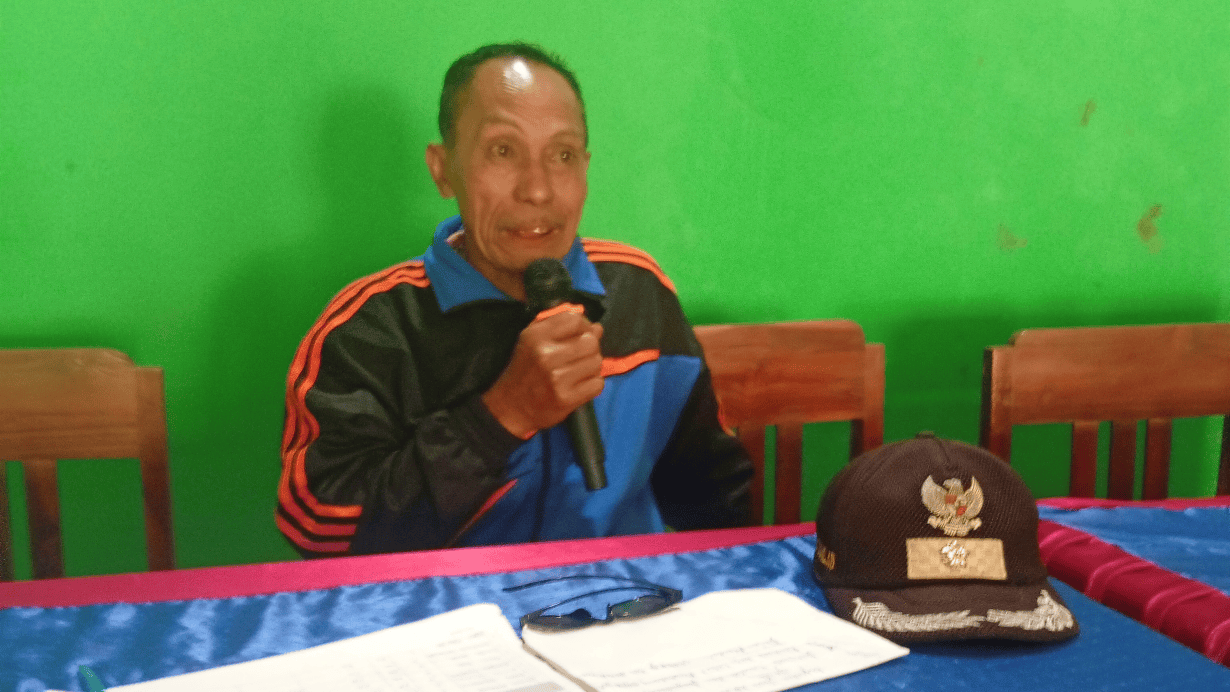
Village Head Fernandes Ekefi has publicly supported these efforts.
He believes that gender equality is not achieved through charity but through equal opportunities.
As a personal example, he openly shares household responsibilities, including washing clothes in public spaces—something traditionally viewed as women’s work.
“I want other men to see that supporting our wives is nothing to be ashamed of,” he explained.
Regarding leadership positions in the village government, Ekefi emphasized that recruitment remains open to everyone.
“Village positions are filled through an open application and selection process. We are always waiting to see more women apply.”
No Longer Han Kolo
The stories of Yosna and Wenci reflect a broader transformation taking place in Pene Utara.
In a community once defined by rigid patriarchal norms, women are increasingly participating in public life, influencing decisions, leading institutions, and shaping the future of their village.
Their voices are no longer dismissed as han kolo—the sound of birds that need not be heard.
Today, they are respected voices of leadership, demonstrating that when women are given opportunities to participate and lead, entire communities become stronger, more inclusive, and more resilient.