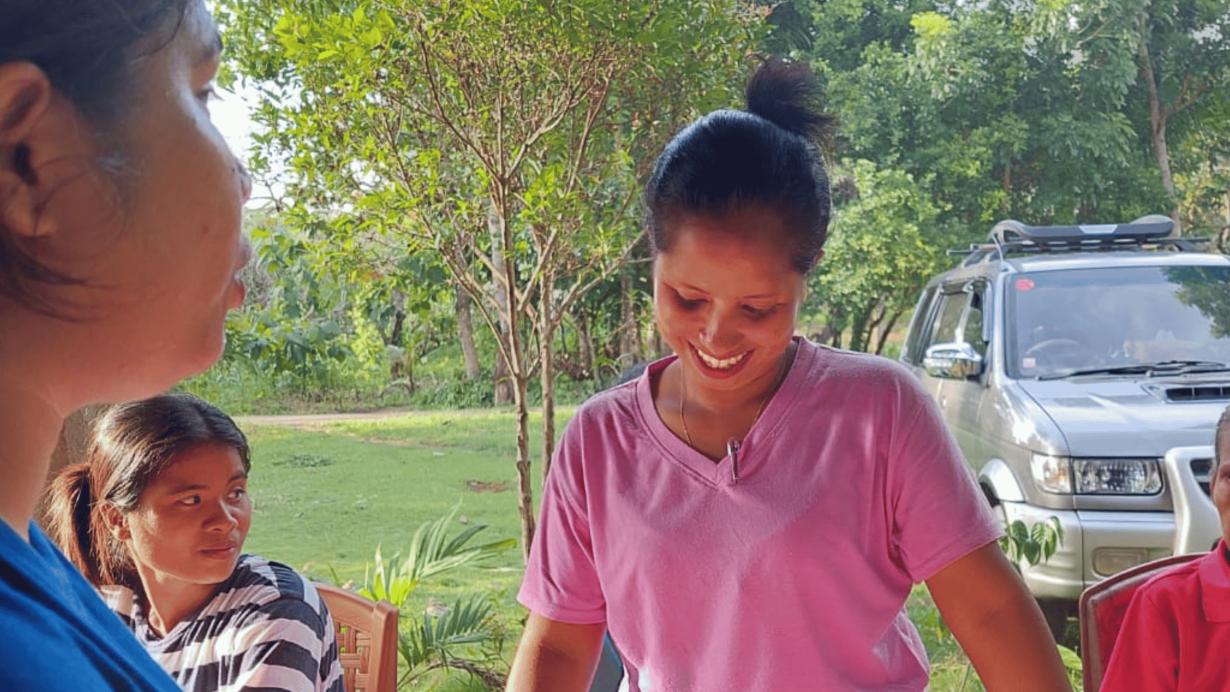



In East Flores, the energy transition does not begin with technology alone, but with the realities of everyday life. YPPS starts its approach by understanding how energy is closely linked to domestic work, gender roles, and household economic conditions. Between July and December 2025, YPPS created spaces for dialogue that brought women and men together to openly share their experiences.
A total of 153 people participated in socialization activities and the development of GEDSI action plans, consisting of 79 women and 74 men from six partner villages. The discussions revealed that most domestic work is still carried out by women, while men have broader access to roles in the public sphere. These findings became an entry point to build collective awareness on the importance of more equitable role distribution.
Changes began to emerge in how participants viewed their roles. Men started to understand that their involvement in domestic work is part of a shared responsibility. At the same time, women became more confident in expressing their opinions and participating in decision making at both household and community levels.
The outcomes of this process were translated into village based GEDSI action plans. These documents serve as shared guidelines to promote social change, including more equitable role distribution, women’s leadership, and participation in village planning. Through this approach, change begins at the household level and expands into the wider community.
From Coconut School to Energy and Local Livelihoods
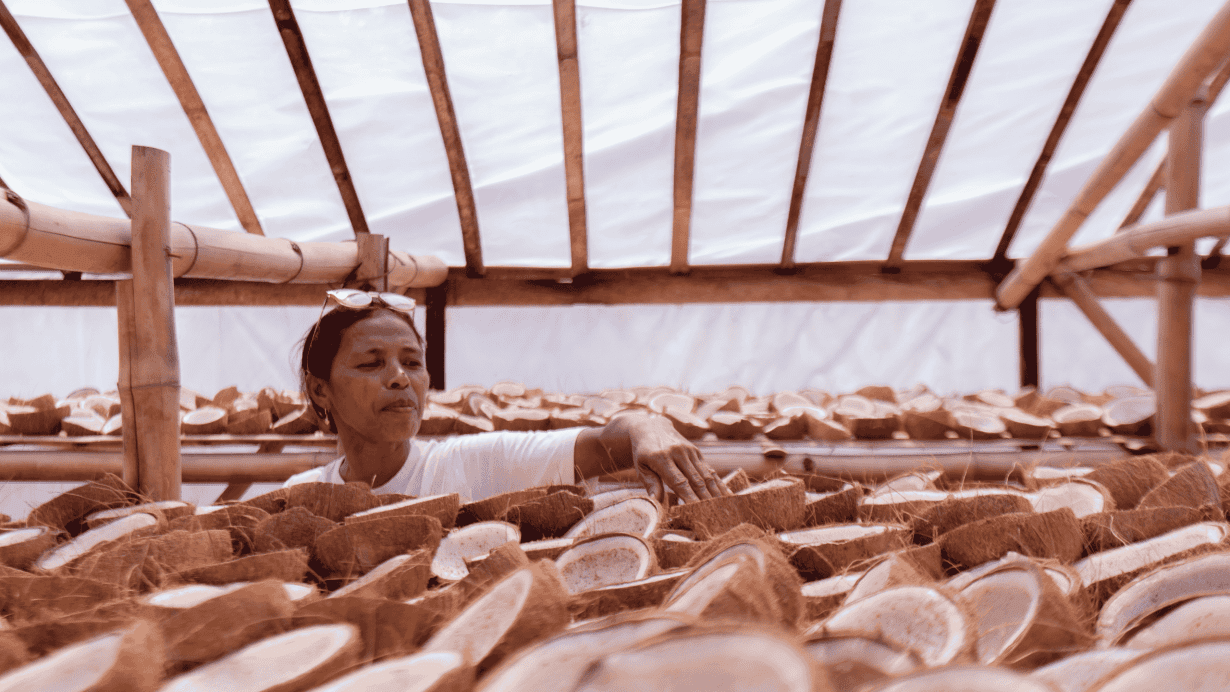
One of the key approaches developed by YPPS is the Coconut School. This program not only focuses on strengthening farmers’ capacity, but also connects agriculture with renewable energy and local livelihoods. The Coconut School serves as a learning space that combines technical knowledge, hands on practice, and community discussions.
A total of 169 farmers took part in the program, consisting of 83 women and 86 men. Through the learning process, participants came to understand that coconut is not only valuable as a primary commodity, but also holds strong potential for processing into various derivative products. Parts of the coconut such as shells and husks are now being used to produce charcoal and briquettes as alternative energy sources.
This approach opens up new economic opportunities at the village level. Communities begin to see the link between renewable energy and income generation. Emerging business initiatives include copra production, briquette manufacturing, and the development of other value added coconut based products.
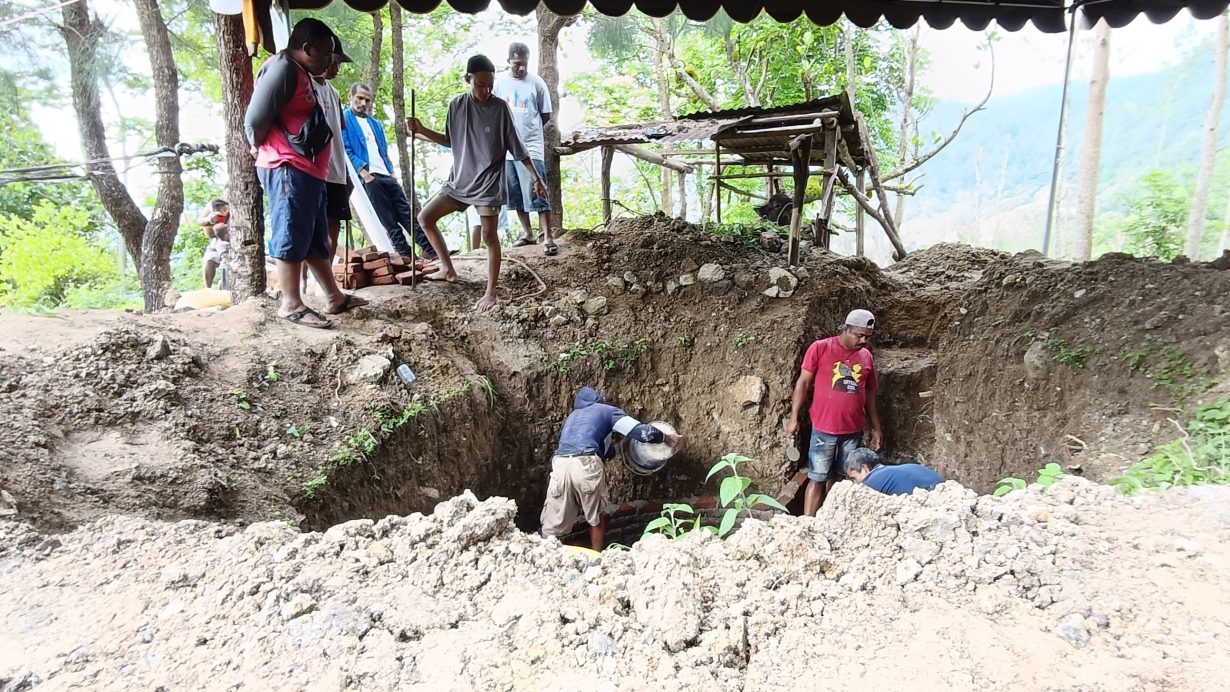
In addition, YPPS strengthened energy infrastructure through the rehabilitation of Solar Energy Houses. A total of 41 community members were involved in this process, with balanced participation between women and men. Four Solar Energy Houses that were previously underutilized are now functioning again to support production activities.
Technical capacity within the community has also improved. Community members are now able to maintain and manage energy technologies independently. This is a critical factor in ensuring the sustainability of clean energy use at the village level.
From Community to Policy: Local Voices Growing Stronger
The changes driven by YPPS do not stop at the community level. The program also creates opportunities for communities to engage in broader discussions at district and provincial levels. Community representatives are increasingly involved in forums that shape the direction of energy transition policies.
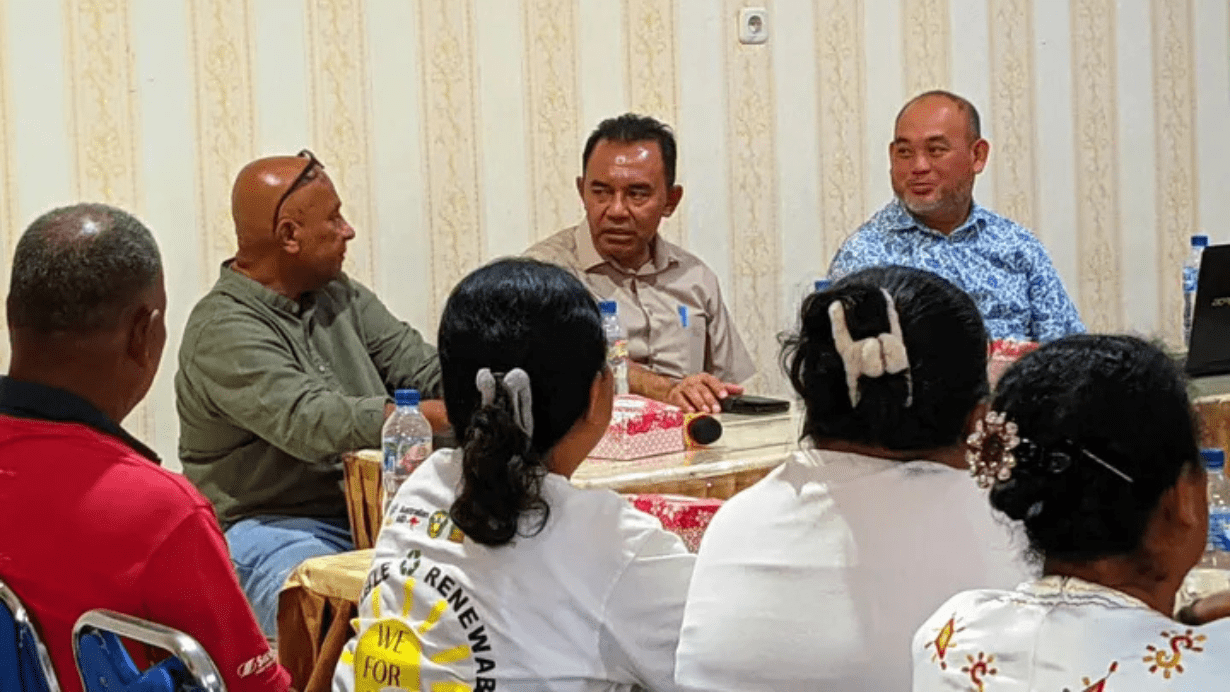
In one provincial forum, representatives from YPPS partner villages participated and shared their experiences directly. They spoke about energy needs, challenges on the ground, and the importance of more inclusive approaches. This participation became a new experience that strengthened community confidence.
At the same time, young people are beginning to take on a role in amplifying stories of change. A total of 89 individuals were involved in content production, with 10 actively contributing as local creators. They document community practices and share them through social media to reach wider audiences.
The role of youth as connectors of information is becoming increasingly important in strengthening program impact. The content produced serves not only as documentation, but also as a campaign tool to promote just energy transition practices. This approach helps extend the reach of the issue from the village level to a broader public audience.
Overall, the YPPS experience shows that a just energy transition can be built through an integrated approach. Change begins with awareness at the household level, is strengthened through energy based livelihoods, and is expanded through engagement in policy spaces. Through this approach, communities are not only beneficiaries, but also key actors driving change.