


The energy transition can no longer be treated as a technical issue discussed only in policy rooms. Amid the climate crisis, growing energy needs, and regional commitments to sustainable development, the energy transition must become part of the political agenda and development direction of the region.
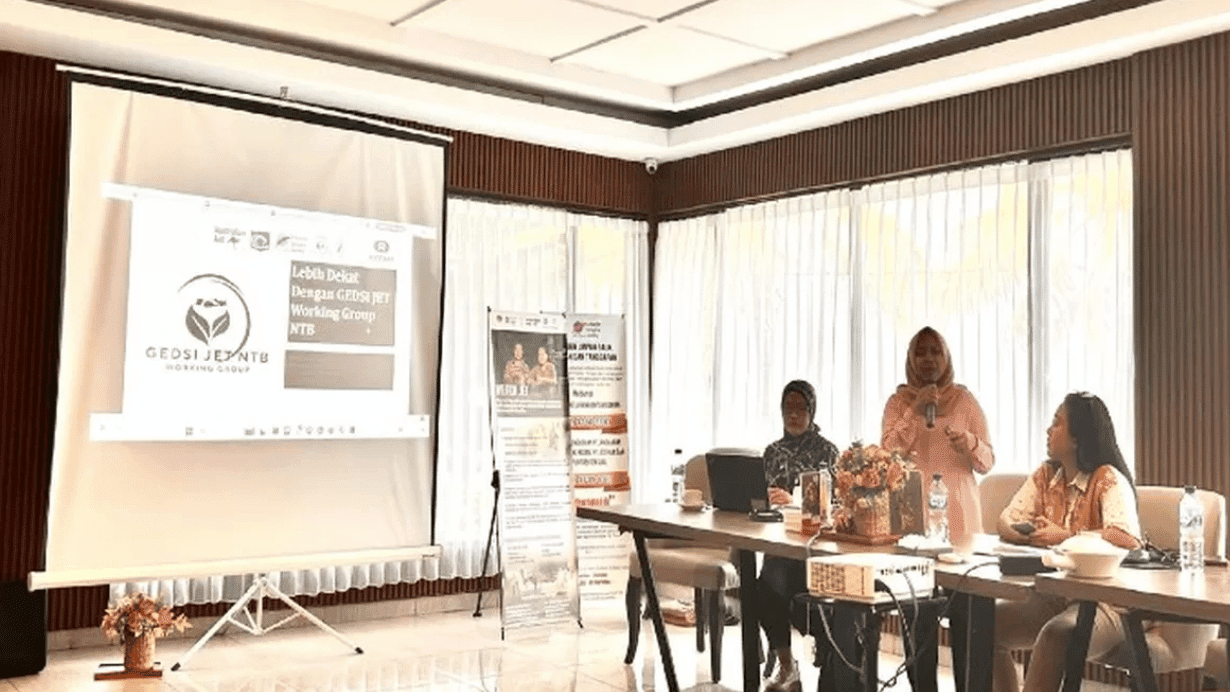
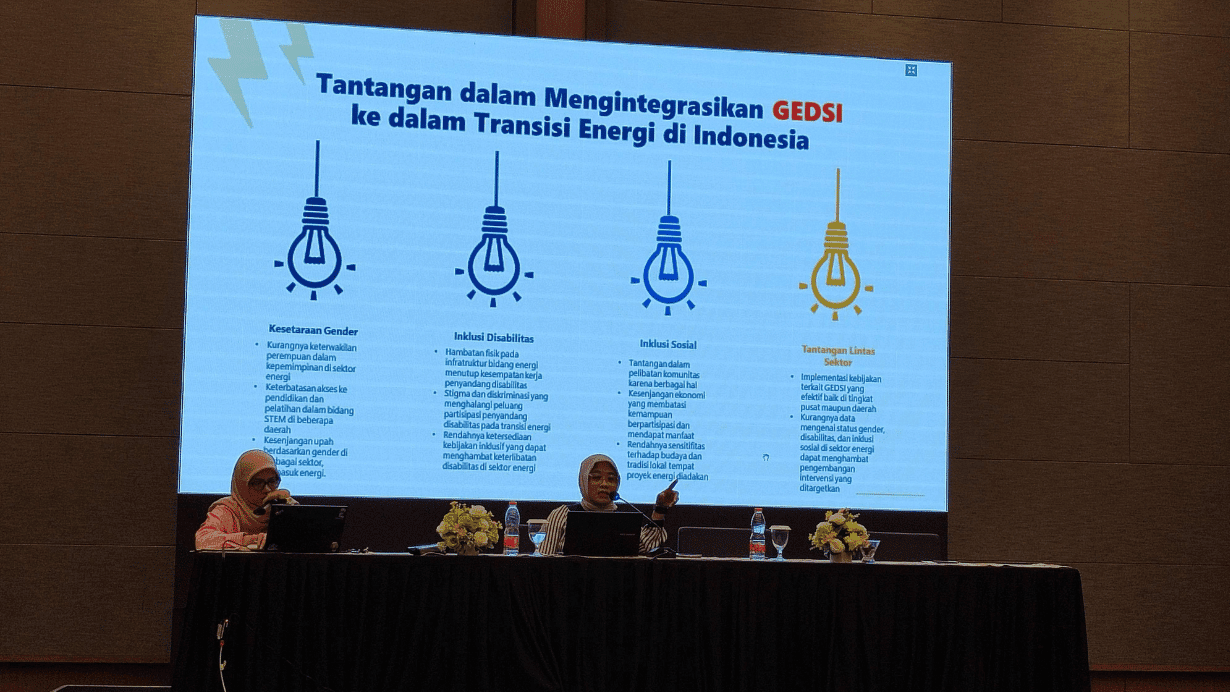
This is the message being pushed by Yayasan Penabulu together with the GEDSI JET Working Group through the development of a policy paper on GEDSI-based energy transition. GEDSI stands for Gender Equality, Disability, and Social Inclusion. This initiative aims to ensure that a just and inclusive energy transition is included in the vision and mission of candidates for Governor and Deputy Governor of NTB in the 2024 simultaneous regional elections.
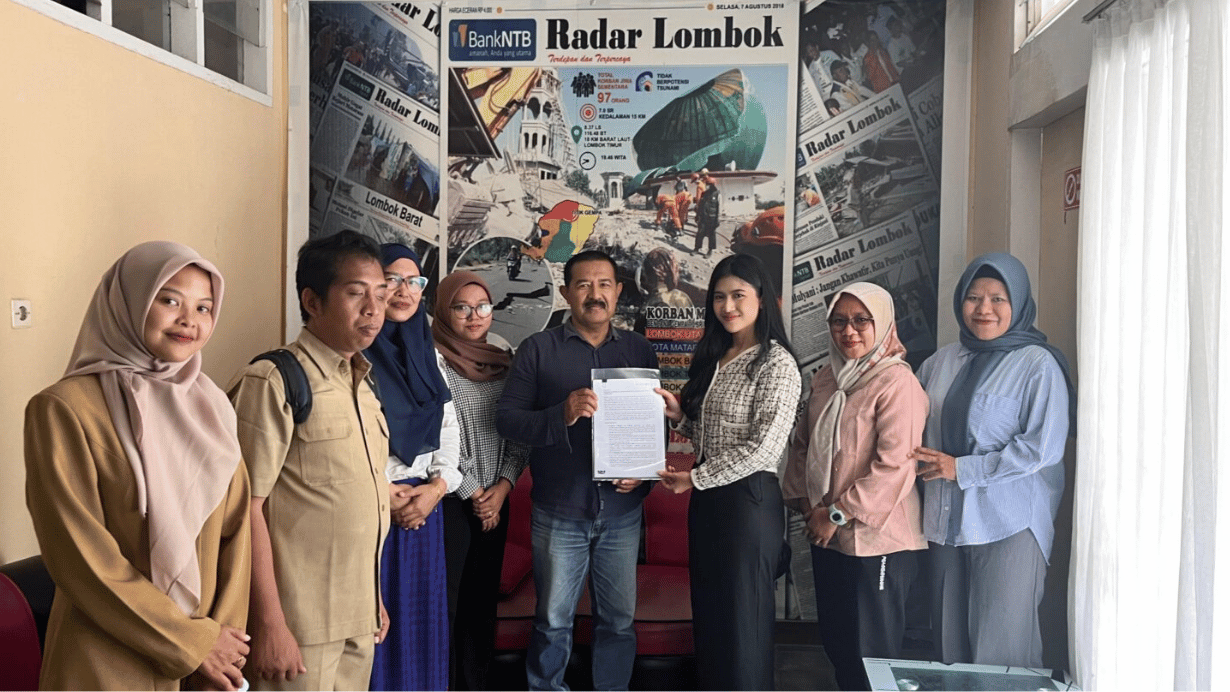
Nurjanah, WE FOR JET Project Coordinator in NTB Province, said that the policy paper would be presented to the three candidate pairs running in the NTB election, as well as to eight media outlets in NTB. This effort is part of an advocacy strategy to ensure that the energy transition does not remain merely a discourse, but is seriously considered in the development agenda for the next five years.
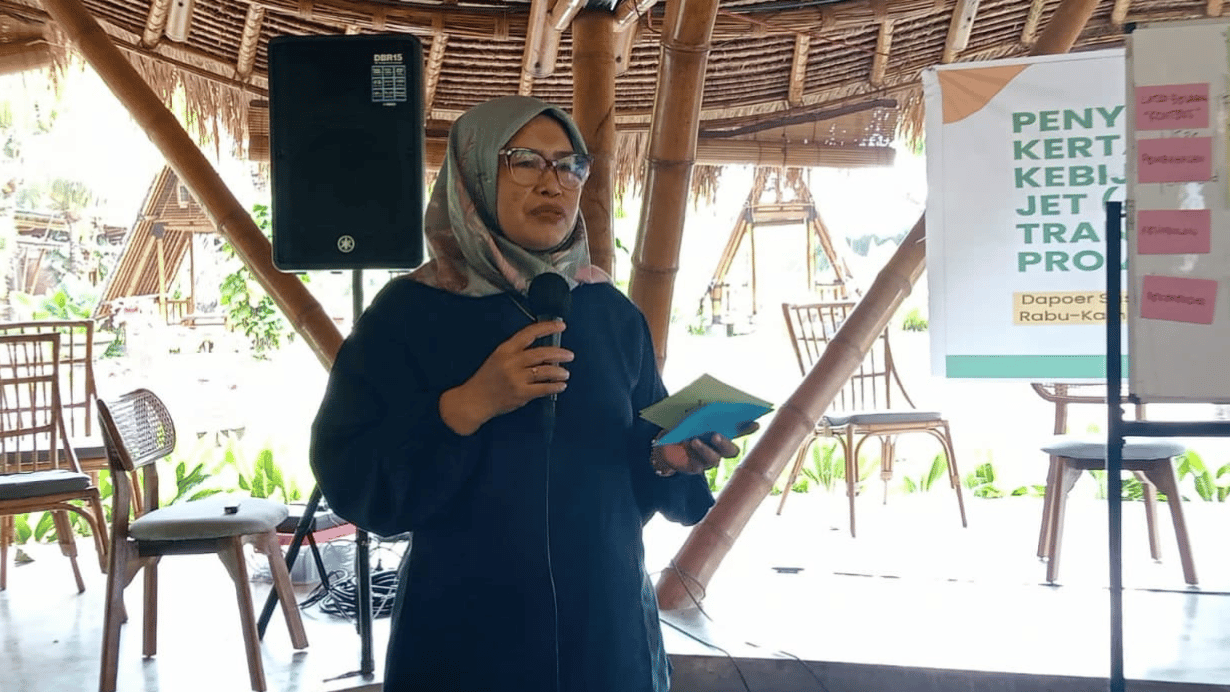
“We will bring this to eight media outlets in NTB and also to the three candidate pairs running in the 2024 simultaneous regional elections,” Nurjanah said on Thursday, 26 September.
According to Nurjanah, the energy transition is an increasingly urgent global issue, especially as NTB has set a target to achieve zero emissions by 2050. This commitment has also been strengthened through regional regulations, and therefore needs to be followed up with more concrete, inclusive, and well-directed programs.
“This is a global issue. Moreover, the government’s commitment is already reflected in regional regulations,” she explained.
The 2024 simultaneous regional elections are seen as an important momentum to ensure the continuity of NTB’s energy transition agenda. A change in regional leadership is not only about changing political actors. It is also an opportunity to strengthen a development direction that is more environmentally friendly, just, and responsive to marginalized groups.
Nurjanah emphasized that the energy transition should no longer be positioned as a side program of the regional government. This issue is directly linked to environmental protection, reducing dependence on fossil fuels, and responding to the impacts of climate change that are increasingly felt by communities.
“The world is already concerned about serious environmental problems, including climate change and its impacts, as well as the use of fossil energy,” she said.
In the GEDSI context, the energy transition must also be understood as a social justice agenda. The shift toward clean energy must ensure that women, persons with disabilities, Indigenous Peoples, poor communities, and other marginalized groups are not left behind. They need to be involved in the planning, implementation, monitoring, and benefit-sharing of renewable energy programs.
For this reason, the policy paper prepared by Yayasan Penabulu and the GEDSI JET Working Group is expected to serve as a reference for regional head candidates. The document not only encourages political commitment to clean energy, but also ensures that future energy policies include perspectives of inclusion, protection, and community empowerment.
Nurjanah expressed hope that the elected regional leaders will make the energy transition one of NTB’s strategic programs. This is especially important because energy affairs remain under the authority of the provincial government, making policy alignment between regional and national governments essential.
“Energy remains under the authority of the Provincial Government. Since this has become a global issue, we need to align the policies of the new government,” she said.
Following the election of Prabowo Subianto and Gibran Rakabuming Raka in the 2024 presidential election, regional governments are expected to take an active role in connecting the national energy transition agenda with local needs. NTB has a strong opportunity to become one of the provinces driving a community-based, inclusive, and sustainable energy transition.
Nurjanah also highlighted the importance of stronger institutions to manage energy issues. She hoped that in the future there would be changes in nomenclature or the strengthening of local government agencies specifically responsible for energy affairs, not only at the provincial level, but also at the district, city, and village levels.
“Hopefully in the future, because this is also a concern for districts, cities, and villages, there will be changes in nomenclature as we expect. Energy affairs should also be addressed at the district and village levels,” Nurjanah concluded.
This advocacy shows that the energy transition needs to be placed at the heart of regional development planning. It is not enough for it to appear only as a technical target or environmental commitment. The energy transition must become a clear, measurable, and people-centered political agenda.
If included in the vision and mission of regional head candidates, a GEDSI-based energy transition can become an important foundation for NTB’s development over the next five years. In this way, the clean energy agenda will not only support the zero-emission target, but also open the path toward development that is more just, inclusive, and sustainable.
This article is adapted from “Transisi Energi Harus Masuk Visi Misi Calon Gubernur NTB,” published by Radar Lombok. Read the full article here: https://radarlombok.co.id/transisi-energi-harus-masuk-visi-misi-calon-gubernur-ntb.html