


A Critical Reflection from Paulo Freire and the Stories of SEKRA Women
Written by: Muhammad Juaini, Project Manager WE FOR JET, Gema Alam
In an era when education is often reduced to a mere factory for producing labor, framed under the language of “link and match” or the demands of Industry 4.0, we need to ask an honest question. Are our classrooms humanizing people, or are they simply producing obedient parts for a vast and unequal economic machine? Education is never neutral. It always carries a political position. It can either function as a tool that disciplines individuals into compliance, or as an instrument of liberation that enables people to transform their world.
Paulo Freire, a radical pedagogical thinker from Brazil, reminds us that true education must dismantle structures of injustice. This idea comes alive in West Nusa Tenggara through the Sekolah SETARA untuk Kepemimpinan dan Keadilan (SETARA School for Leadership and Justice), known as SEKRA. Through the struggles of rural women involved in SEKRA, Freire’s theory is not an abstract concept but a living compass for real social transformation.
Moving Beyond the “Banking” Model of Education
Freire offers a sharp critique of what he calls the banking model of education. In this model, teachers act as depositors of knowledge who assume they know everything, while students are treated as empty containers. Students are expected to receive, memorize, and repeat, a process that suppresses critical thinking.
“In the banking concept of education, knowledge is a gift bestowed by those who consider themselves knowledgeable upon those whom they consider to know nothing.”
This model is particularly harmful for rural communities. When education is disconnected from the lived realities of farmers and rural women, it reinforces fatalism. People are taught to believe that poverty and inequality are simply fate. This is how systems maintain the status quo, by making the oppressed feel powerless in the face of technocratic knowledge.
Breaking the Culture of Silence through Conscientization
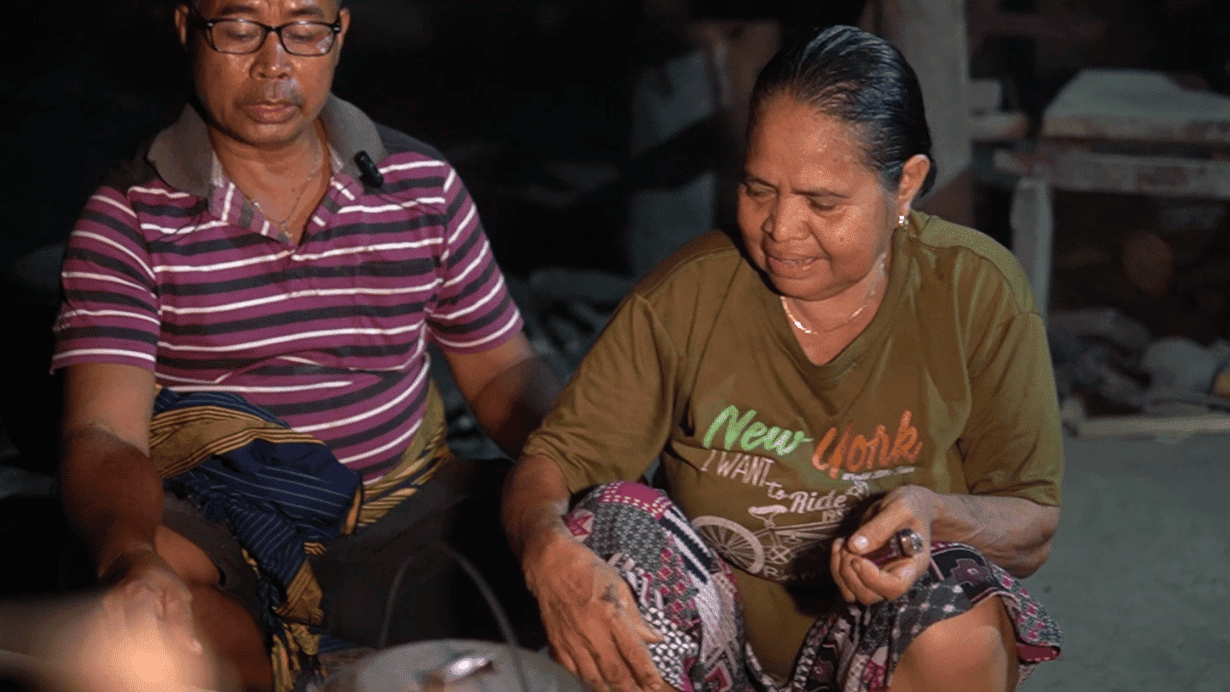
At the heart of Freire’s pedagogy is conscientization, a process of critical awareness. It is not merely about knowing, but about recognizing the social contradictions that shape everyday life. Before engaging with SEKRA, many rural women were trapped in what Freire describes as a culture of silence. They worked tirelessly, yet their voices were absent from decision making.
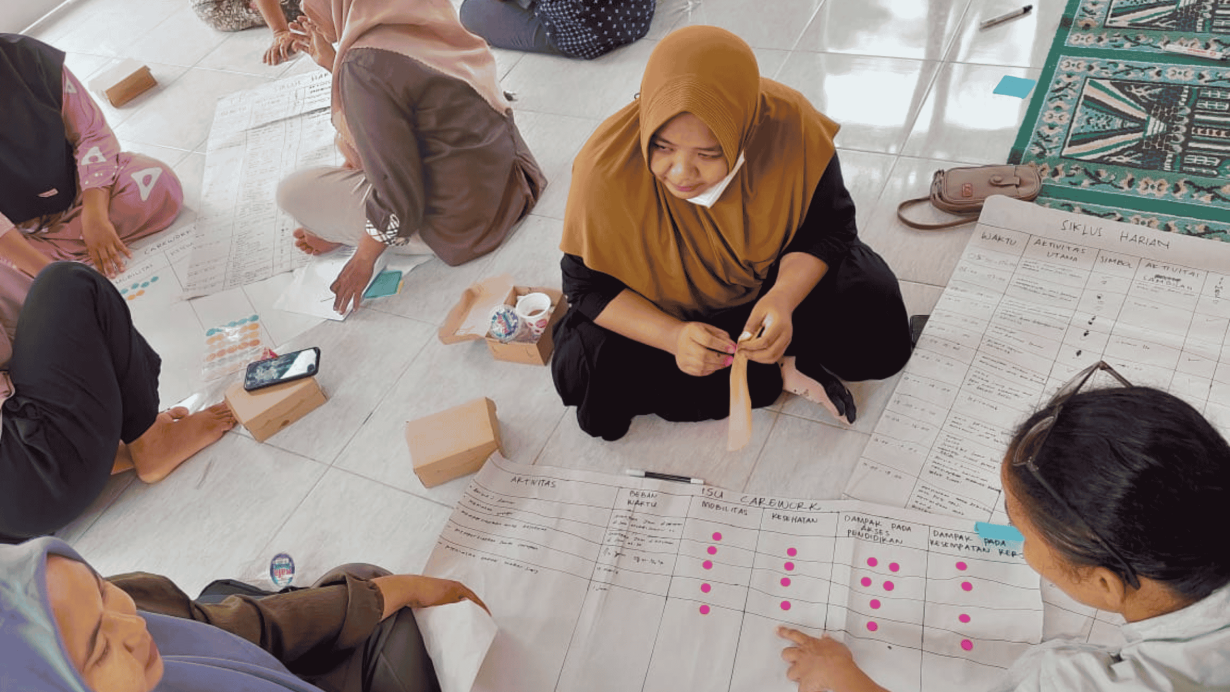
Through participatory tools such as Participatory Rural Appraisal and Rapid Care Analysis, these women began to “name the world.” They examined unpaid care work, domestic labor that had long been treated as natural and unquestioned.
This is where the shift from passive awareness to critical awareness takes place. Women begin to see that water scarcity forcing them to walk long distances, or energy crises affecting household economies, are not simply natural conditions or destiny. They are the result of political decisions and structural exclusion. Naming injustice is the first step toward liberation.
Dialogue as an Encounter Between Equals
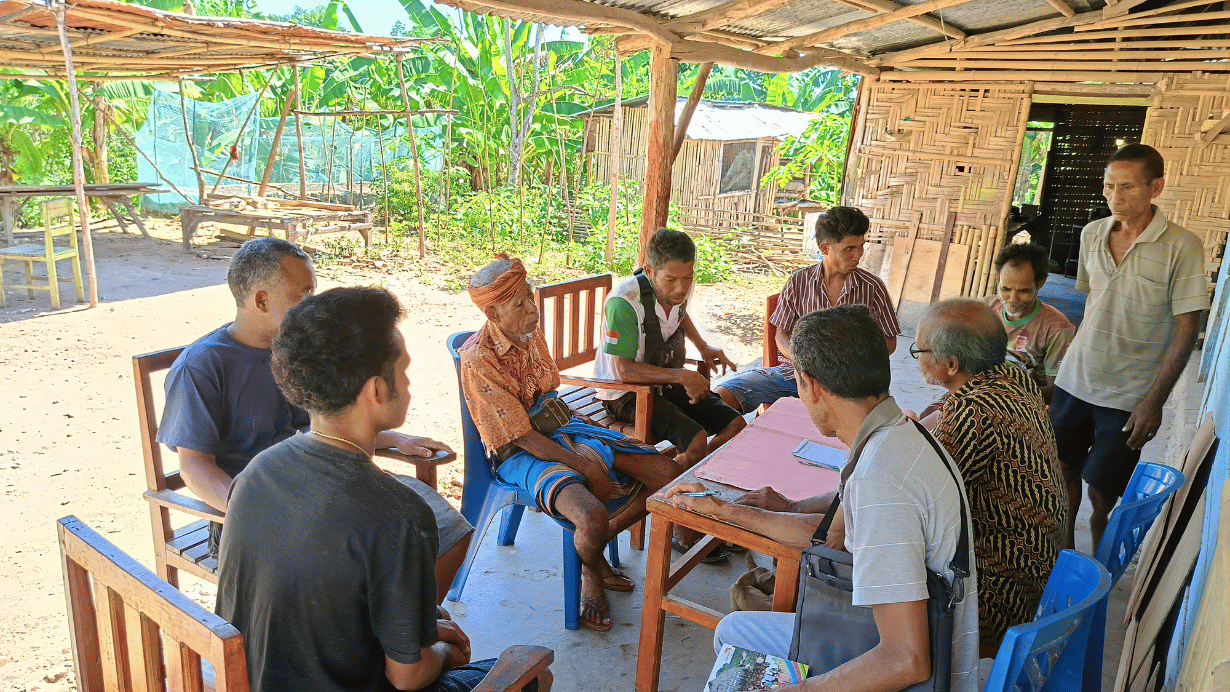
For Freire, dialogue is not just a method but the essence of being human. True dialogue requires an encounter between equal subjects who seek to understand the world together. In SEKRA’s practice, knowledge about local economies or clean energy does not come as one way instruction from facilitators. It emerges through the shared experiences and reflections of community members.
- Freire emphasizes that liberating dialogue must be grounded in several principles:
- Love, a deep commitment to the world and to others.
- Humility, the awareness that no one holds absolute truth.
- Trust, a belief in the ability of marginalized people to create change.
- Hope, the energy that sustains struggle even under structural pressure.
Praxis as Reflection and Action
Liberation education requires praxis, the unity of reflection and action. Reflection without action becomes empty rhetoric, while action without reflection becomes directionless activism.
“Praxis is reflection and action upon the world in order to transform it.”
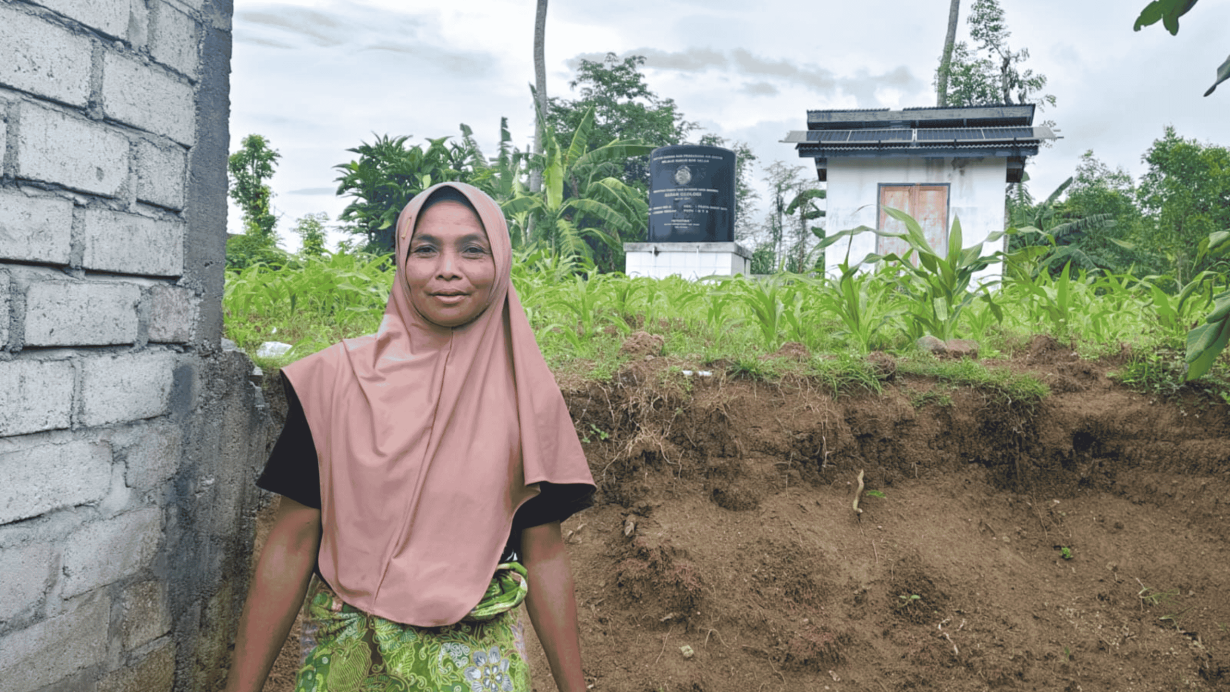
SEKRA women demonstrate this praxis in the context of a Just Energy Transition. They do not stop at discussing energy issues. After mapping problems, they take action by advocating for village budgets and developing appropriate technologies such as solar powered water pumps and biogas units.
This praxis is continuous. After action comes reflection again. How can the technology be managed independently? How can leadership remain collective? This is dynamic education, where communities learn by transforming their own realities.
Liberation as Structural Change, Not Charity
Freire reminds us that liberation is never a gift from those in power or from external actors. It is the result of collective struggle in which the oppressed position themselves as subjects of history.
The achievements of SEKRA in West Nusa Tenggara are structural. They successfully advocated for the allocation of village funds amounting to IDR 163 million to address the practical needs of women and marginalized groups. This liberation is also inclusive, involving persons with disabilities and ensuring that dignity is restored for all.
This is the essence of humanization. Village structures that were once masculine and exclusive begin to transform into institutions that recognize women’s leadership and the rights of persons with disabilities. Liberation is not about helping the poor. It is about transforming power relations so that oppression no longer has space to persist.
Conclusion: A Call to Take a Stand
The story of Freire and the transformation led by SEKRA women delivers a clear message. Education must be rooted in people’s lived experiences and oriented toward social justice. If education distances us from the realities of marginalized communities or allows us to remain comfortable in privilege, then it has failed its human purpose.
Education is a site of struggle. Now the question is simple. Has your education equipped you with the awareness to see injustice, or has it provided a comfortable blindfold that keeps you compliant within an unequal system?