


The energy transition is not only about shifting from fossil fuels to renewable energy. More than that, it must ensure that its benefits are shared fairly by all groups in society, including women, persons with disabilities, young people, Indigenous communities, and other vulnerable groups.
This principle has guided CIS Timor’s work in promoting the integration of GEDSI, or Gender Equality, Disability, and Social Inclusion, indicators into the Regional Energy Plan (Rencana Umum Energi Daerah/RUED) of East Nusa Tenggara (Nusa Tenggara Timur/NTT). This effort marks an important achievement in ensuring that regional energy policy is not only focused on technical targets, but also takes social justice into account.
This achievement was not made by CIS Timor alone. CIS Timor advanced this process in collaboration with various civil society organizations that are part of the Climate Change Working Group (POKJA PI). Through this collective effort, policy advocacy became stronger, more focused, and grounded in community experiences. This collaboration helped bring GEDSI issues into regional energy planning as an essential part of building a more inclusive energy transition in NTT.
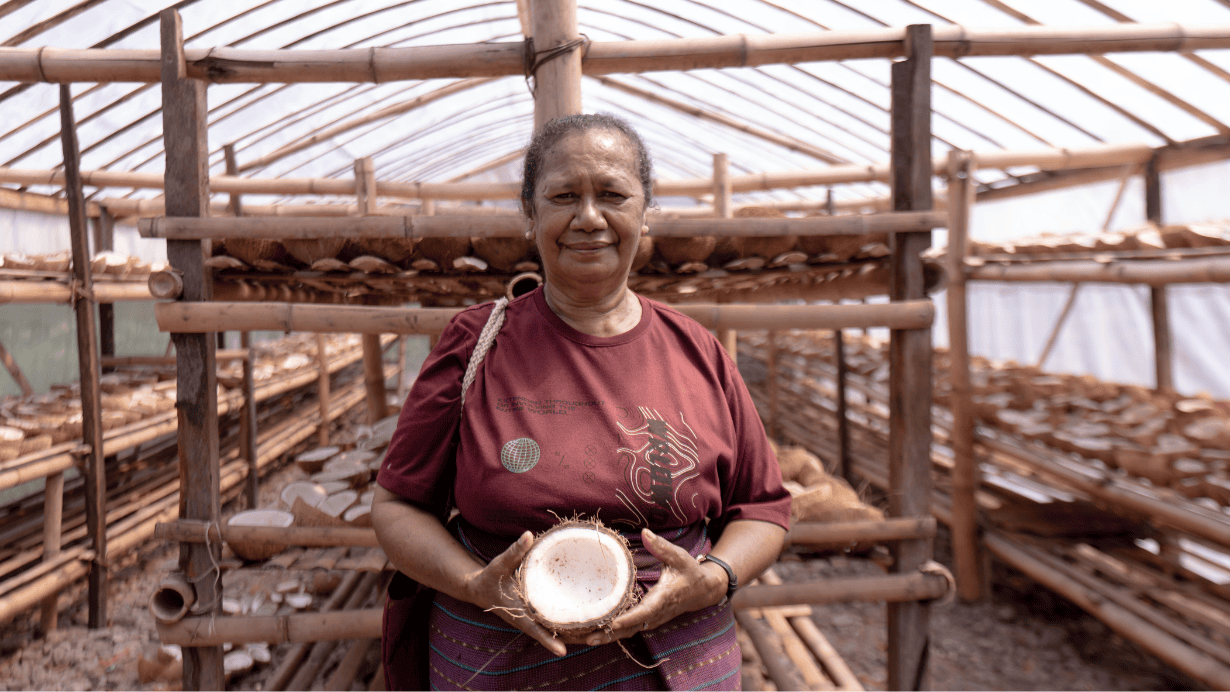
In NTT, energy is closely connected to people’s daily lives. Limited access to energy directly affects household activities, education, health, economic productivity, and women’s workload. When energy is difficult to access, women and vulnerable groups are often among those most affected. They carry additional responsibilities in managing domestic work, finding alternative energy sources, or coping with limited basic services.
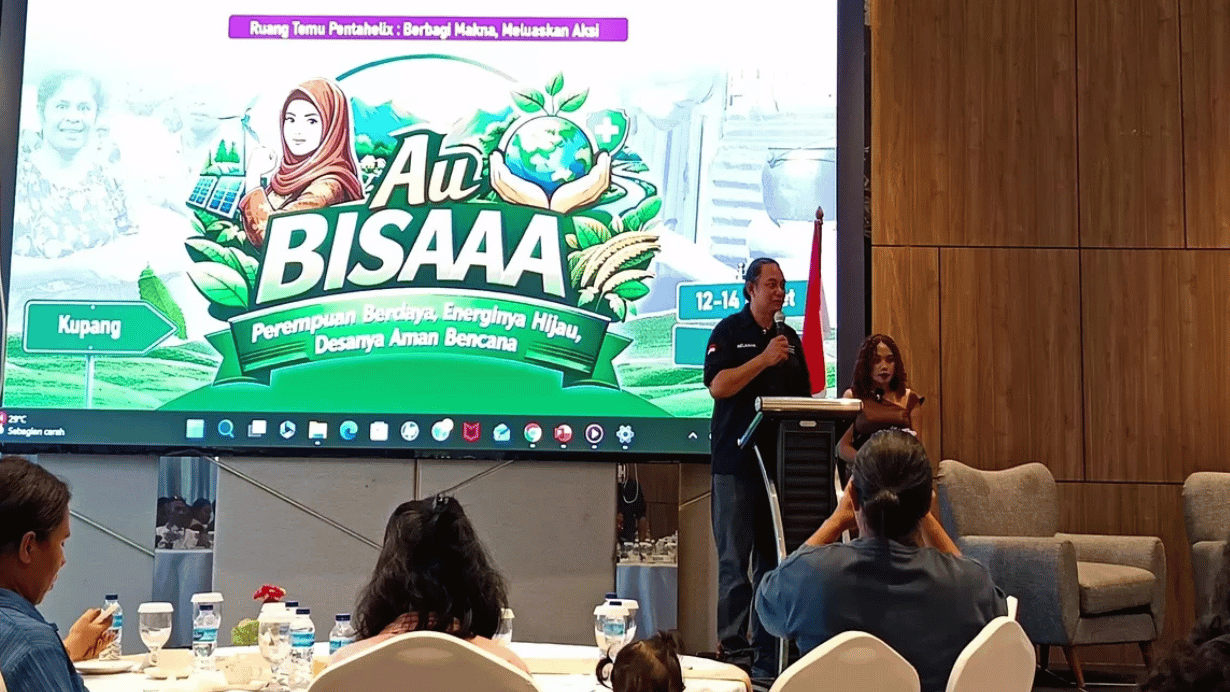
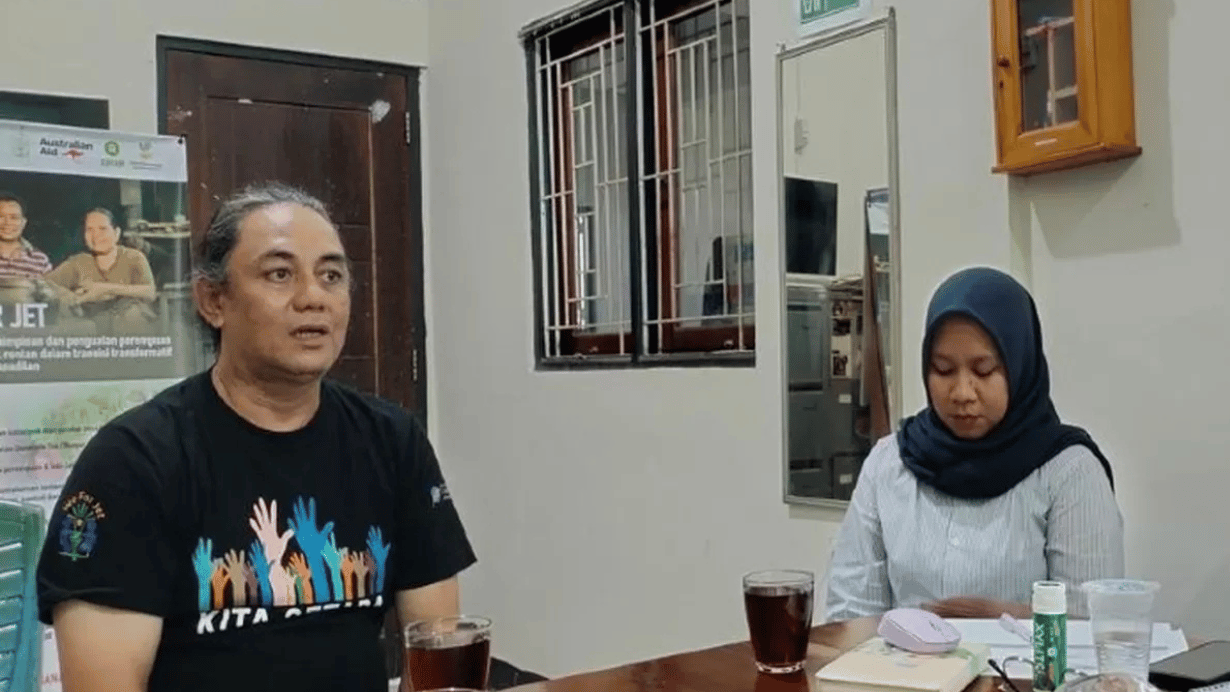
Through advocacy, multi-stakeholder dialogue, and community-based evidence, CIS Timor and the civil society coalition within the Climate Change Working Group (POKJA PI) encouraged the integration of GEDSI dimensions into regional energy planning. Integrating GEDSI indicators into the NTT Regional Energy Plan is important because energy policy should not stop at infrastructure development. It must also answer more fundamental questions: who benefits, who is still left behind, and how can policy reduce inequality?
This achievement shows that a just energy transition requires broader participation. Women’s groups, persons with disabilities, local communities, and civil society organizations need to be involved in the planning, implementation, and monitoring of energy policies. In this way, their needs and experiences are not treated as additional notes, but become part of the indicators and direction of regional energy development.
The integration of GEDSI into the NTT Regional Energy Plan also opens opportunities for the provincial government (pemerintah daerah) to design more responsive energy programs. For example, renewable energy development can be directed to support household needs, public services, local economic activities, and the reduction of unpaid care and domestic work that has long been disproportionately carried by women. At the same time, GEDSI indicators can help ensure that persons with disabilities, communities in remote areas, and other vulnerable groups are not left behind in accessing clean and affordable energy.
The achievement of CIS Timor and the Climate Change Working Group (POKJA PI) demonstrates that policy advocacy can lead to real change when it is grounded in data, community experience, and collaborative work. The NTT Regional Energy Plan, which now integrates GEDSI indicators, is not only an energy planning document. It is also a sign that regional energy transitions must be more inclusive, fair, and sustainable.
Moving forward, the biggest challenge is to ensure that these GEDSI indicators do not remain only on paper. Their integration into policy documents must be followed by consistent implementation, budgeting, monitoring, and evaluation. In this way, the energy transition in NTT can truly become a pathway toward change that benefits everyone, especially those whose voices have too often been unheard.