

How can local renewable energy truly drive a just and sustainable transition at the village level? This document offers answers grounded in the lived realities of communities across West Nusa Tenggara.
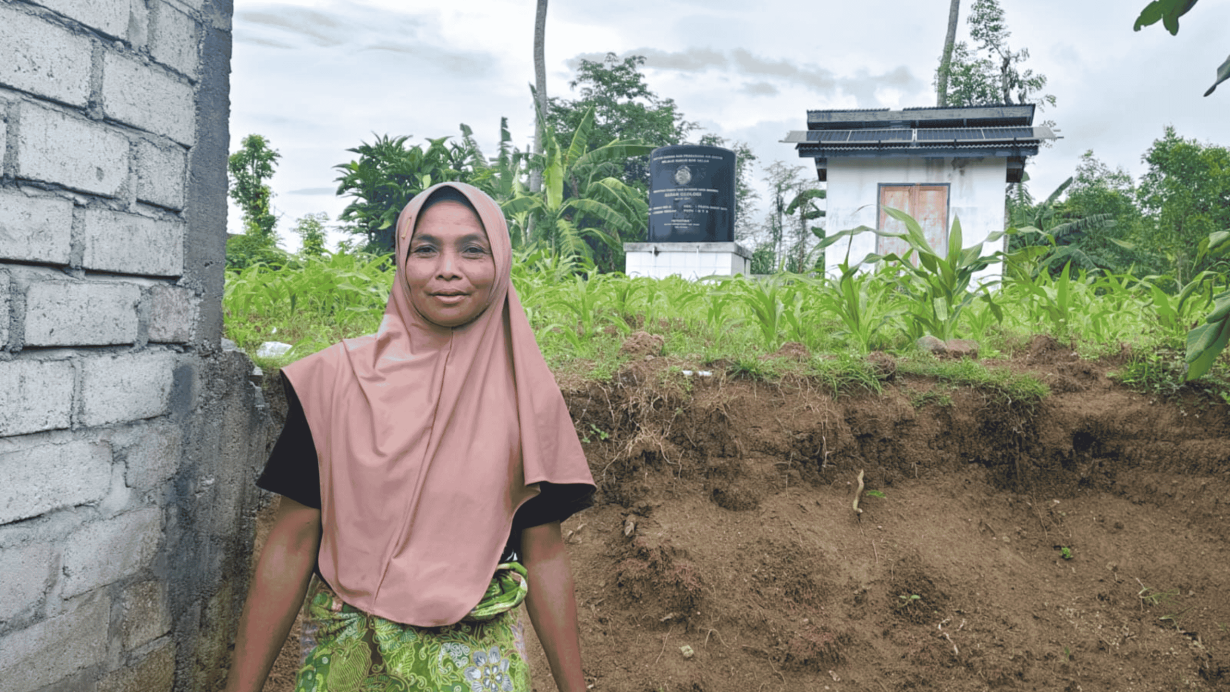
Conducted in six villages across East Lombok, Central Lombok, and West Lombok, this study reveals significant potential for local renewable energy, including biogas from livestock and organic waste, solar energy, and micro hydropower. Yet behind these opportunities lie real challenges that limit their development, ranging from technical capacity and institutional readiness to access to financing and long term sustainability.
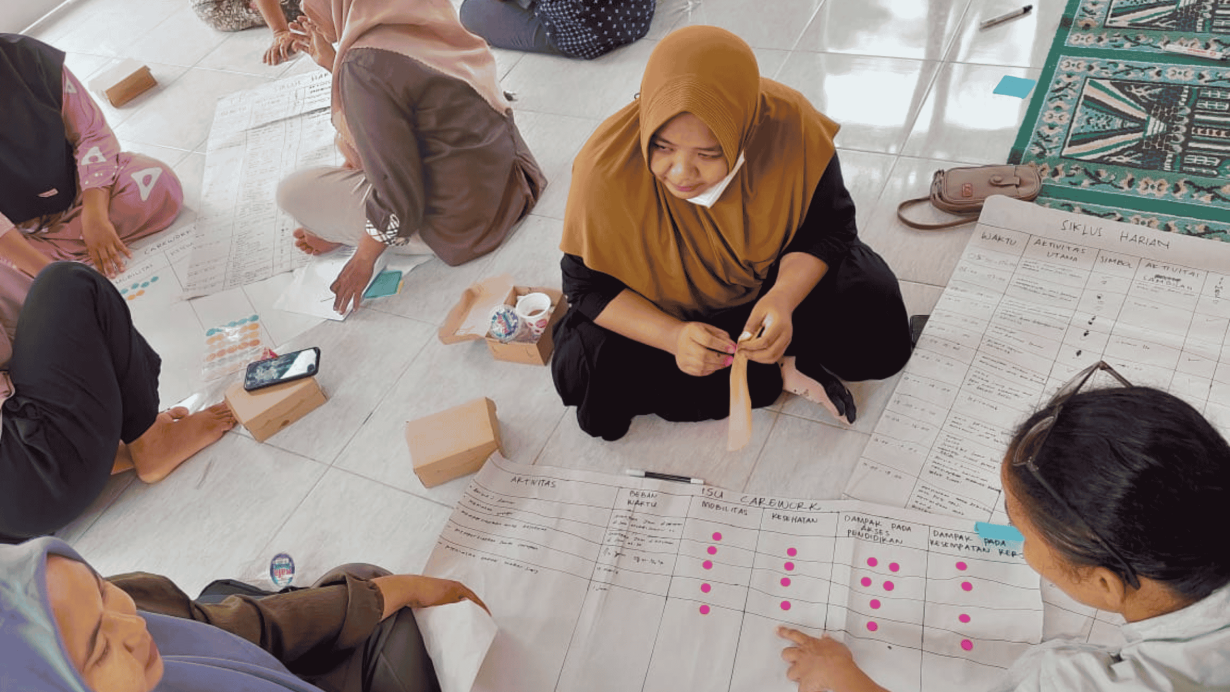
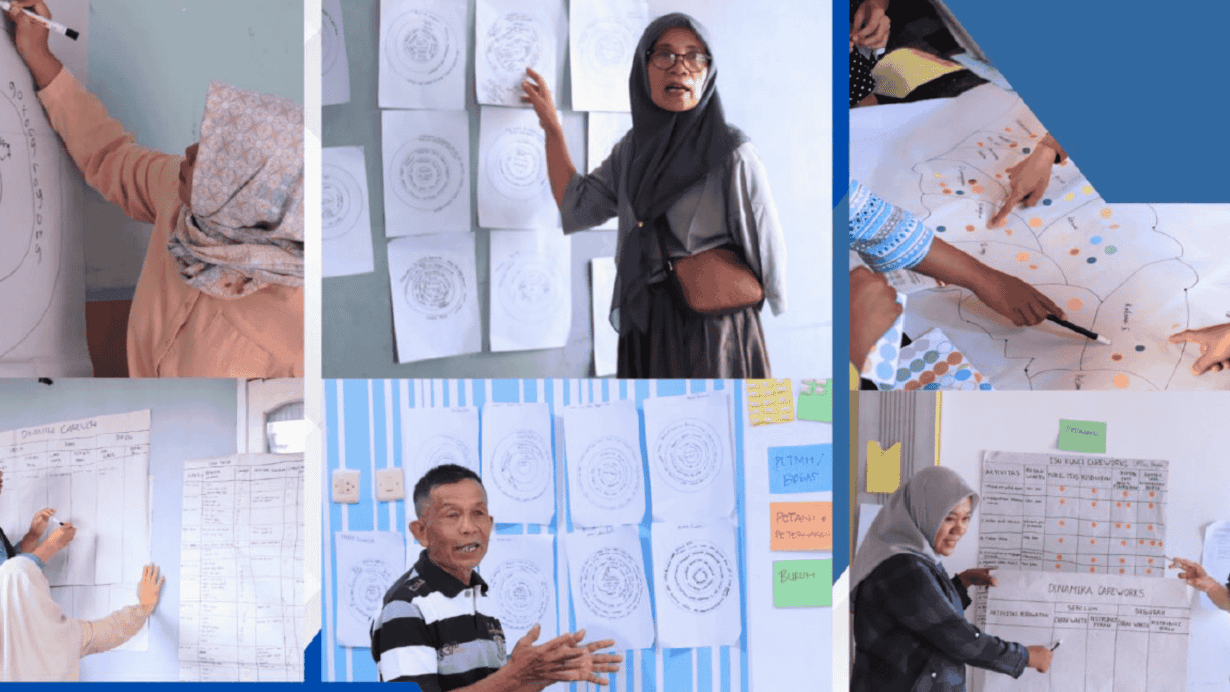
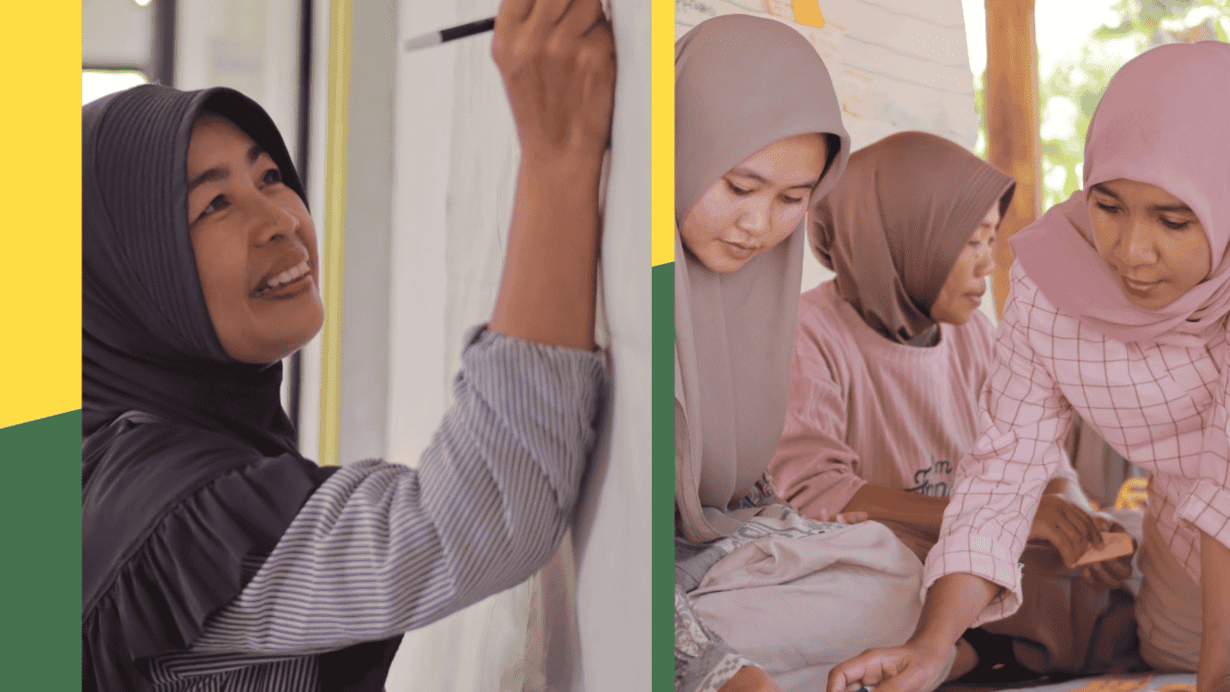
What makes this study particularly important is not only the data it presents, but also the perspective it brings. By actively involving women, persons with disabilities, farmers, MSME actors, and village governments, the research highlights that energy transition cannot be separated from social realities. Climate risks and socio economic vulnerabilities faced by communities further underscore the need for approaches that are inclusive and grounded in justice.
This document goes beyond mapping potential. It offers a pathway for change, from strengthening village level energy governance and building community capacity, to integrating disaster risk mitigation into local planning. These elements are essential to ensure that the energy transition is not only implemented, but also delivers fair and lasting benefits for all.
Download the document to explore how renewable energy can become a catalyst for sustainable change, starting from the village level.